

Science & Tech · Gadgets & EVs · 11 hrs ago
Tests Find Little Battery Wear Difference From Fast Charging
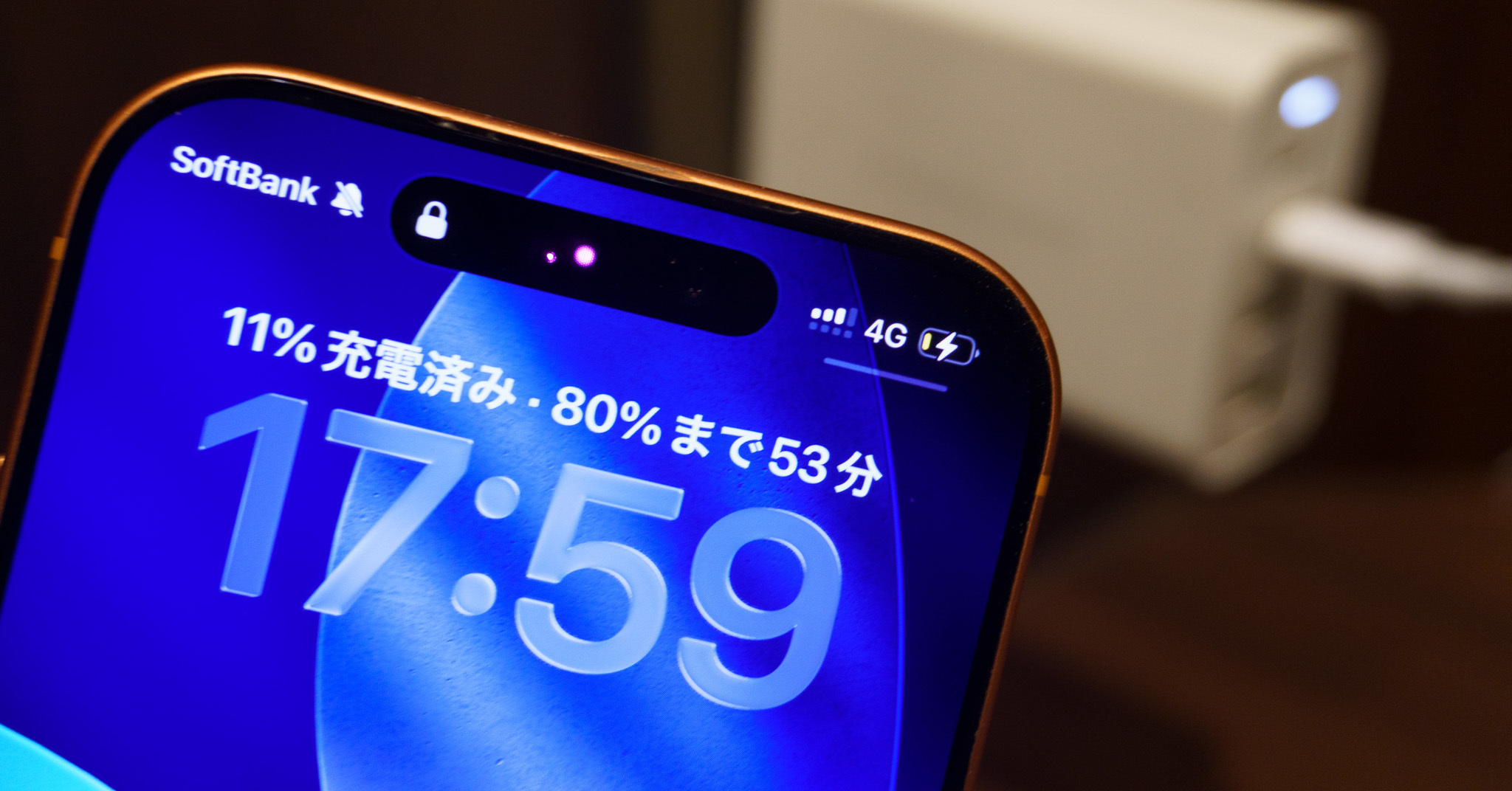
A test compared fast and slow charging on 20 phones: iPhone 12s and vivo iQOO 7s, run through 500 charge cycles over 167 days.
Fast charging made little difference: capacity loss differed by less than one percentage point between charging speeds on both phone models.
Phones also stop charging at full and restart when their charge drops, so leaving one plugged in overnight does not mean power keeps flowing into a full battery.
High temperatures increase battery wear, especially when a battery stays full; the research found the difference was much greater at 45°C and above.
An 80% charge limit reduced wear by a few points after 500 cycles, though the benefit could disappear when batteries got hot.
That limit also leaves less power for the day, so it may not suit people who use more than 80% or want a larger reserve.
Check your daily battery use before choosing a limit; phones from Apple, Google and Samsung offer settings to cap or optimize charging, and the limit can be changed later.

An experiment found little difference in battery capacity loss between fast and slower charging in two smartphone models.
After 500 charging cycles, the difference was less than one percentage point for both the iPhone and the Android phones tested.
The test used 10 iPhone 12 phones and 10 vivo iQOO 7 phones over 167 days.
The article says the results do not represent all smartphones, but finds no reason to avoid fast charging based on this test.
Separate research found that battery wear from high charging currents varies with battery materials and design.
- Who
- HTX Studio conducted the experiment using iPhone 12 and vivo iQOO 7 phones.
- What
- The test found less than a one-percentage-point difference in capacity loss between fast and slower charging.
- When
- The experiment was published in November 2025 and ran for 167 days.
- Where
- The test used smartphones; the location is not stated.
- Why
- It examined whether charging speed affects battery wear.
This story does not have two clearly opposing sides.
A University of Maryland research team published a study comparing battery use across different charge ranges.
A French research team published a study on charging current, charging voltage, temperature and battery wear.
A University of Maryland team published research on the effects of resting fully charged batteries at different temperatures.
HTX Studio published its experiment comparing charging speeds in iPhone 12 and vivo iQOO 7 phones.
ITmedia published its report on the charging experiments and battery research.
- Phones tested
- 10 iPhone 12 phones and 10 vivo iQOO 7 phones
- Test duration
- 167 days
- Cycles per phone
- 500
- Android capacity loss
- 8.5% with 120W charging; 8.8% with 18W charging
- iPhone capacity loss
- 12.3% with fast charging; 11.8% with slower charging
- Charging-speed difference
- Less than 1 percentage point for both phone models
3 sources
What people are saying
If possible, remove your iPhone from the charger after it is fully charged.