

Health · Public Health & Disease · 1 hr ago
Climate-related health harms are worsening, Lancet Countdown report finds
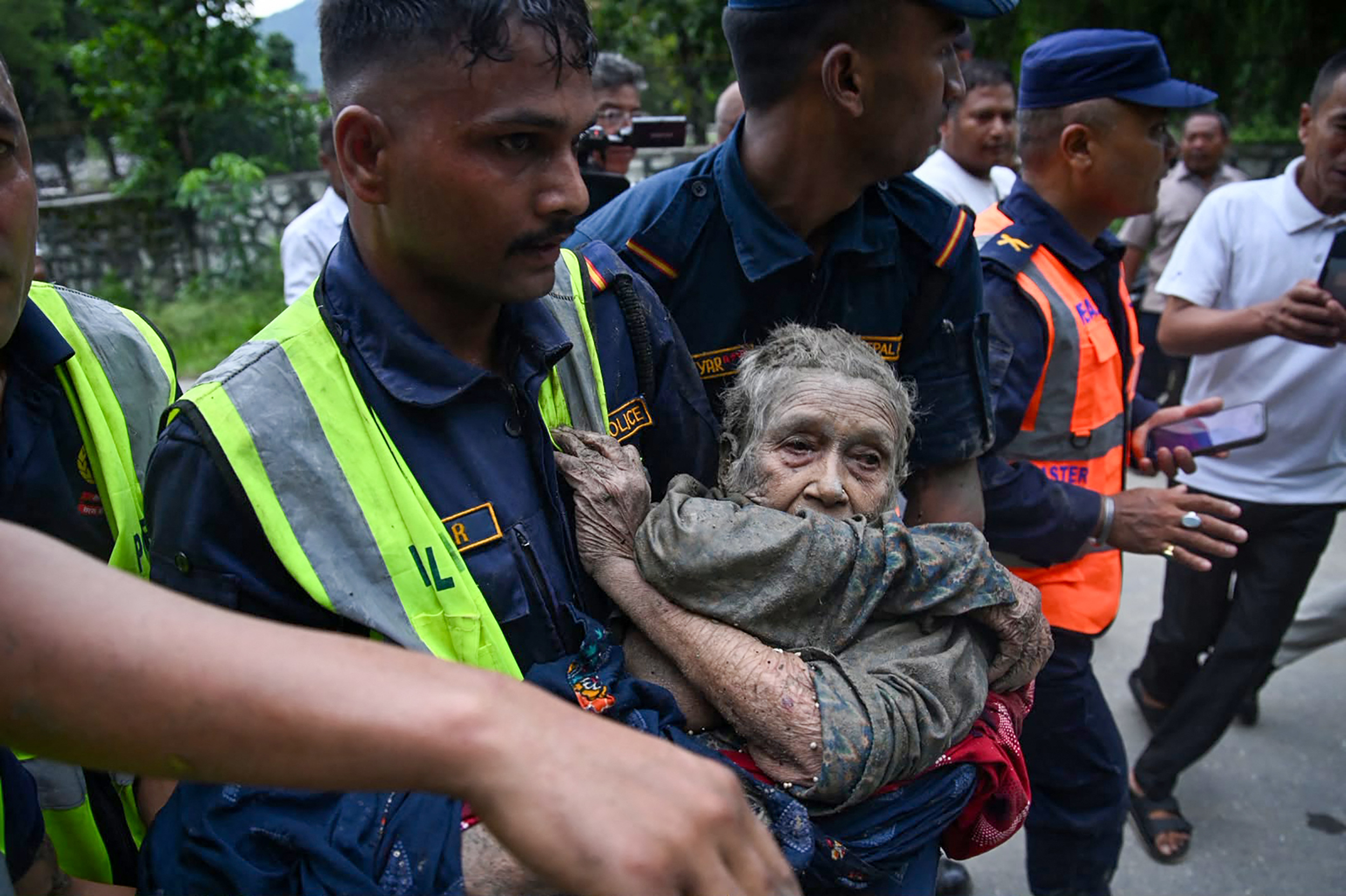
A global team of 146 researchers says climate-related health harms are worsening a decade after the Paris Agreement was signed.
The harms include heat, famine, disasters and disease, and they fall especially heavily on lower-income countries that have contributed relatively little to the crisis.
Heat was linked to an estimated 710,000 deaths in 2023, the latest year with complete data, and more than 70 percent were attributed to human-caused climate change.
Between 2016 and 2023, heat also reduced potential global income by an estimated $1.07 trillion by keeping people from work, with Southeast Asia and Africa hit hardest.
The report says cleaner air prevented an estimated 323,000 annual deaths from 2016 to 2023 in just over half the countries surveyed, but rising deaths elsewhere offset that gain globally.
Researchers say growing energy demand, continued fossil fuel use and a slow shift to clean energy are leaving the world unprepared for the risks.
They are urging the WHO and its member states to declare a global health emergency, and say the next major opportunity to address the issue is at the UN climate conference COP31 in November.

A new Lancet Countdown report says climate-related health harms are worsening faster than the global response to climate change.
The report, authored by 146 researchers from more than 30 countries, calls for climate change to be declared a global health emergency and for health to be central to climate decisions.
In 2023, heat was linked to an estimated 710,000 deaths worldwide, with more than 70 percent attributed to human-caused climate change.
Heat-related work losses cost the global economy an estimated $1.07 trillion in 2025, with Southeast Asia and Africa among the hardest hit.
The report says clean energy has delivered health benefits, but progress has been too slow and uneven.
- Who
- The Lancet Countdown report’s 146 researchers, led by University College London and produced with the World Health Organization. Marina Romanello is the report’s executive director.
- What
- The report finds climate-related health harms are worsening and calls for climate change to be declared a global health emergency.
- When
- Published on Tuesday, October 27, 2026, according to the article. It is the 10th annual report.
- Where
- Worldwide, with lower-income nations disproportionately affected.
- Why
- Climate hazards are worsening faster than climate action, amid continued fossil fuel reliance and a slow transition to clean energy.
This story does not have two clearly opposing sides.
Climate change was responsible for an estimated 55 percent of heat-linked deaths per year, according to the report.
Climate change was responsible for an estimated 68 percent of heat-linked deaths, or 369,900 deaths per year.
Heat was linked to an estimated 710,000 deaths worldwide, the most recent year with complete data.
Heat-related interruptions to work cost the global economy an estimated $1.07 trillion in potential productivity.
The 10th annual Lancet Countdown report was published.
- Report authors
- 146 researchers from more than 30 countries
- Heat deaths
- 710,000 estimated deaths linked to heat in 2023
- Climate attribution
- More than 70 percent of 2023 heat deaths attributed to human-caused climate change
- Economic toll
- $1.07 trillion in estimated global productivity losses in 2025
- Planned fossil fuel production
- 100 largest oil and gas companies plan to exceed the level consistent with 1.5°C warming by 150 percent by 2040
3 sources
What people are saying
Climate change is not only getting worse, but it’s getting worse a lot faster than it used to, and that has to do with the fact that year on year we’re reaching record levels of greenhouse gas emissions.
A decade after the Paris Agreement, our findings are unambiguous: the health harms of climate change are growing faster than the world's response to them, and in many cases even accelerating.
That is why we are calling for climate change to be formally recognized as a global health emergency, with health placed at the center of every climate decision.
The evidence is undeniable: climate change is one of the greatest threats to health facing humanity.