

Health · Medical Research · 11 hrs ago
A 24-hour fast and gut bacterium helped intestines recover from radiation in preclinical study
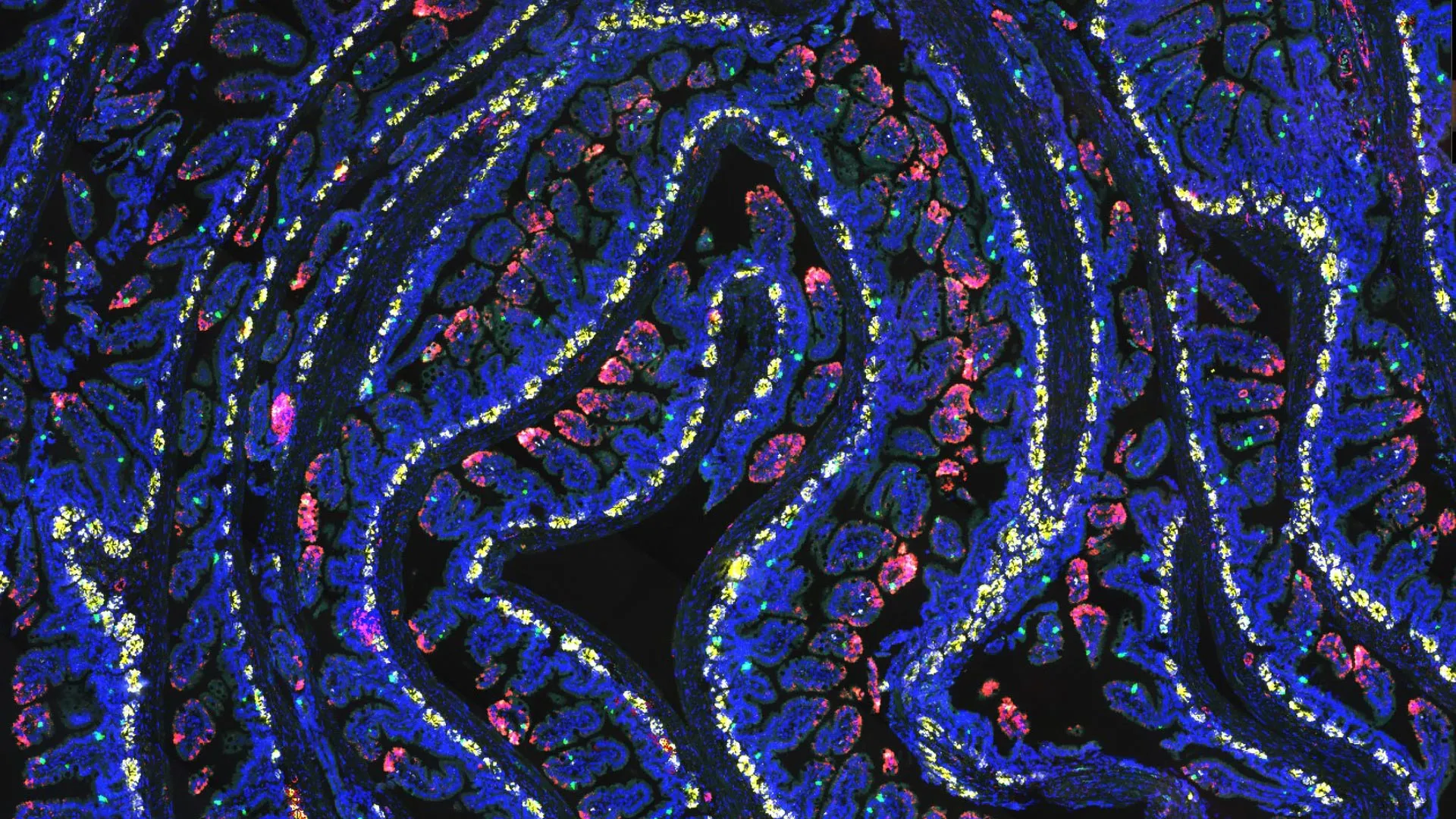
Researchers at The University of Texas MD Anderson Cancer Center studied how fasting affects intestinal recovery after radiation exposure.
In preclinical research, a 24-hour fast prepared intestinal cells to repair damage from radiation.
The effect involved Akkermansia muciniphila, a gut bacterium that produces propionate.
Together, fasting-related changes and propionate altered how cells used genes linked to tissue regeneration.
When researchers removed the bacterium, fasting no longer produced the same repair benefit; restoring it alongside fasting brought the response back.
The findings may point to ways to protect healthy tissue during cancer treatment, but further research is needed before any use in patients.

A preclinical study found that a 24-hour fast and the gut bacterium Akkermansia muciniphila worked together to help intestines recover from radiation damage.
The bacterium produces propionate, which helps prepare intestinal cells to activate tissue-repair programs.
When researchers removed the bacterium, fasting no longer produced the same regenerative benefits.
The findings could eventually point to ways to protect healthy tissue during cancer treatment.
The study was published in the Proceedings of the National Academy of Sciences.
- Who
- Researchers at The University of Texas MD Anderson Cancer Center, co-led by Helen Piwnica-Worms and Kunal Rai.
- What
- A preclinical study found that fasting and the gut bacterium Akkermansia muciniphila worked together to support intestinal recovery after radiation.
- When
- Published November 8, 2026.
- Where
- The research was conducted at The University of Texas MD Anderson Cancer Center. The study focused on the small intestine.
- Why
- Researchers investigated how fasting may help protect the intestines from radiation damage and support tissue repair.
This story does not have two clearly opposing sides.
A 24-hour fast increased the abundance of Akkermansia muciniphila in the small intestine and helped prepare intestinal cells for repair.
Prepared cells could expand and help rebuild the damaged intestinal lining.
Researchers removed the bacterium and found that fasting no longer produced the same regenerative benefits.
- Fast duration
- 24 hours
- Gut bacterium
- Akkermansia muciniphila, also called AKK
- Bacterial substance
- Propionate
- Research center
- The University of Texas MD Anderson Cancer Center
- Publication
- Proceedings of the National Academy of Sciences
- Published
- November 8, 2026
What people are saying
Fasting helps prepare intestinal cells to respond more quickly and effectively after injury, almost like training the cells with an emergency preparedness plan
This study helps explain how that plan is organized and identifies a key bacterium involved in coordinating the response