

Science & Tech · Science & Environment · 3 hrs ago
Fiber-optic sensors detect high-frequency vibrations in nuclear canister test
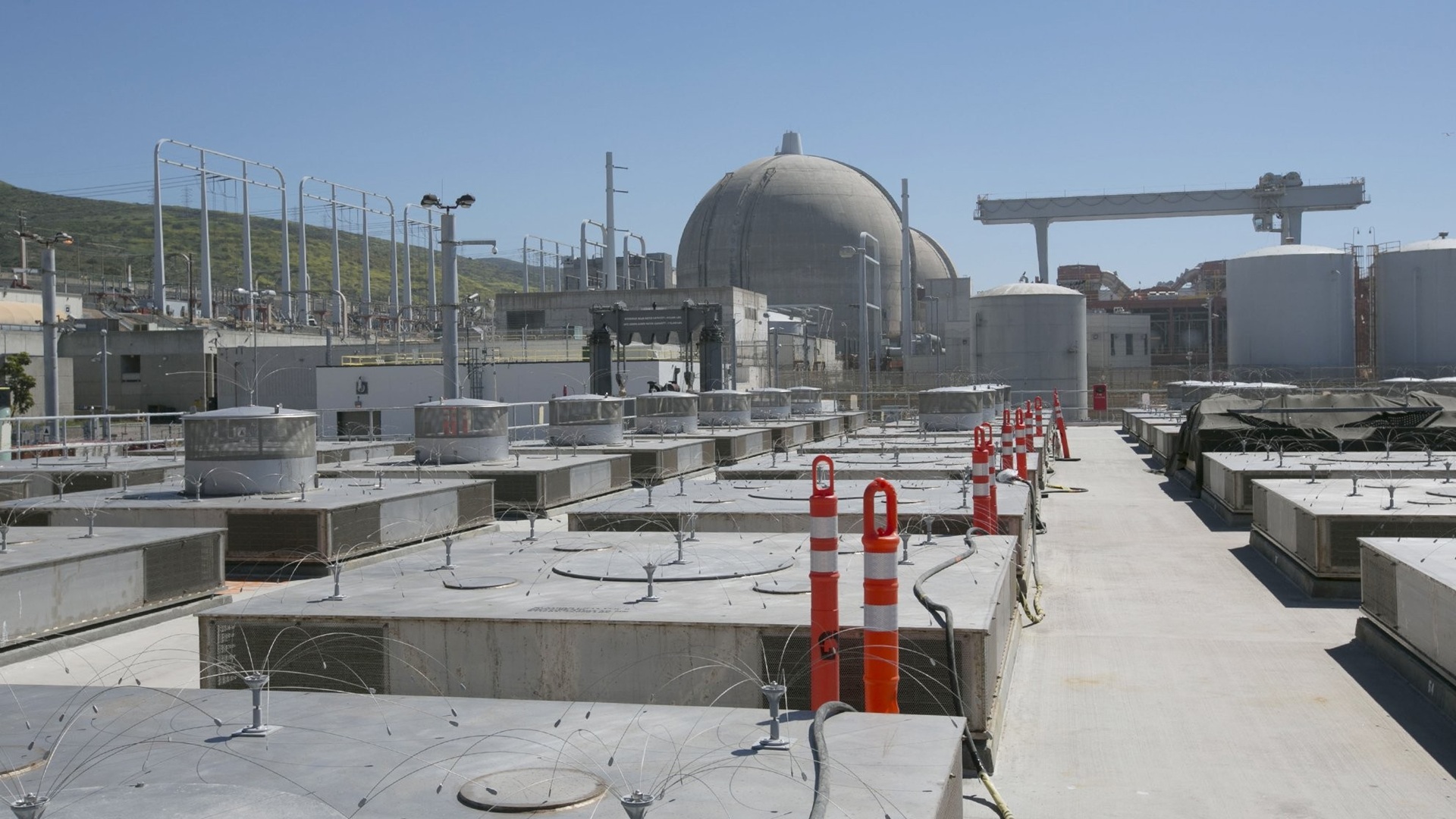
University of Pittsburgh researchers tested a fiber-optic sensor system at Idaho National Laboratory in September.
The system is designed to monitor steel canisters that store spent nuclear fuel, which can remain at nuclear facilities for decades.
The test used a mock canister, not an operating storage container.
Researchers showed that the sensors could detect vibrations above 100 kilohertz and locate their source in tests that simulated acoustic signals from material damage.
The tests did not prove the system can identify actual cracks or corrosion in canisters holding nuclear fuel.
Corrosion is a concern because salty air at coastal facilities can enter storage casks and damage the steel canisters over time.
The team is seeking funding to test durability and stability before moving toward possible use at nuclear storage facilities.

Researchers at the University of Pittsburgh demonstrated a fiber-optic system that detected acoustic signals above 100 kilohertz during a test at Idaho National Laboratory.
The September field test used a mock nuclear fuel canister and pencil-lead-break tests to generate repeatable acoustic signals.
The system is intended to help monitor steel canisters holding spent nuclear fuel for vibrations associated with damage such as cracks.
The test showed that the system could detect signals and locate their source, but did not establish that it can reliably identify real cracks or corrosion in operating canisters.
Researchers are seeking further funding to assess the system’s durability and stability for possible use at nuclear storage facilities.
- Who
- Researchers at the University of Pittsburgh, working with Sensible Photonics and national laboratory scientists.
- What
- They tested a fiber-optic system that detected acoustic signals above 100 kilohertz and located their source.
- When
- The tests took place from September 8 to 11; the year is not stated.
- Where
- Idaho National Laboratory, using a mock nuclear fuel canister.
- Why
- To assess a system intended to monitor storage canisters for acoustic signals associated with damage such as cracks and corrosion.
This story does not have two clearly opposing sides.
Researchers tested different sensor configurations at Idaho National Laboratory using a mock nuclear fuel canister.
The team sought further funding to evaluate the system’s durability and stability and advance it toward potential commercial use.
- Detection frequency
- Above 100 kilohertz
- Conventional systems
- 20 kilohertz capability cited by the researcher
- Test site
- Idaho National Laboratory
- Test object
- Mock nuclear fuel canister
- Project support
- US Department of Energy funding for the first phase
What people are saying
People tend to think about fiber-optics as a way to produce faster internet speeds, but it can be used to continuously monitor everything from bridges to batteries to nuclear waste
Through a series of pencil-lead-break tests, we showed that the technology could detect the sound and find the source