Health · Mental Health · 2 days ago
Mental health diagnoses may group people with very different experiences

A diagnosis can help people talk about mental health and guide care.
But people with the same diagnosis may have different symptoms, life stories and underlying brain processes.
The article says new research tools are helping scientists study brain circuits more precisely than before.
It argues that listening to people's experiences and looking beyond labels can help build a fuller picture of mental health.

The article argues that mental health diagnoses can be useful but may group together people with very different symptoms, histories and underlying mechanisms.
The World Health Organization’s theme for World Mental Health Day focuses on listening to people with lived experience and using their accounts to drive practical change.
Advances in neuroscience, including optogenetics, make it possible to study specific brain circuits with greater precision than when many psychiatric categories were created.
The article says symptom-based systems such as the DSM and ICD can be limited when treated as complete explanations of mental health conditions.
It points to dimensional and transdiagnostic approaches, clinical staging and biomarkers as ways to add information beyond symptom-based categories.
The article warns that linking suicide almost automatically to depression can narrow understanding and hinder prevention.
- Who
- The World Health Organization and people with lived experience of mental health problems
- What
- A discussion of how mental health is defined and the limits of psychiatric diagnostic categories
- When
- World Mental Health Day, October 10
- Where
- Not stated
- Why
- To encourage attention to lived experience and consider approaches that better reflect the diversity of mental health problems
This story does not have two clearly opposing sides.
No direct quotes in the coverage so far.
This story does not have a timeline yet.
- World Mental Health Day
- October 10
- WHO theme
- “Lived experiences heard: real voices, real change”
- Nobel-recognised researchers named in the article
- Karl Deisseroth, Peter Hegemann and Georg Nagel
- Diagnostic systems discussed
- DSM and ICD
- Approaches discussed
- Dimensional models, transdiagnostic approaches, clinical staging and biomarkers
Sources
Related news

UNICEF Korea and Tomorrow X Together launch youth mental health chatbot

Gifted education expert warns Brazil’s new student register could exclude some children

Taif governor launches World Mental Health Day activities

Study links cannabis-related anxiety in mice to central amygdala neurons
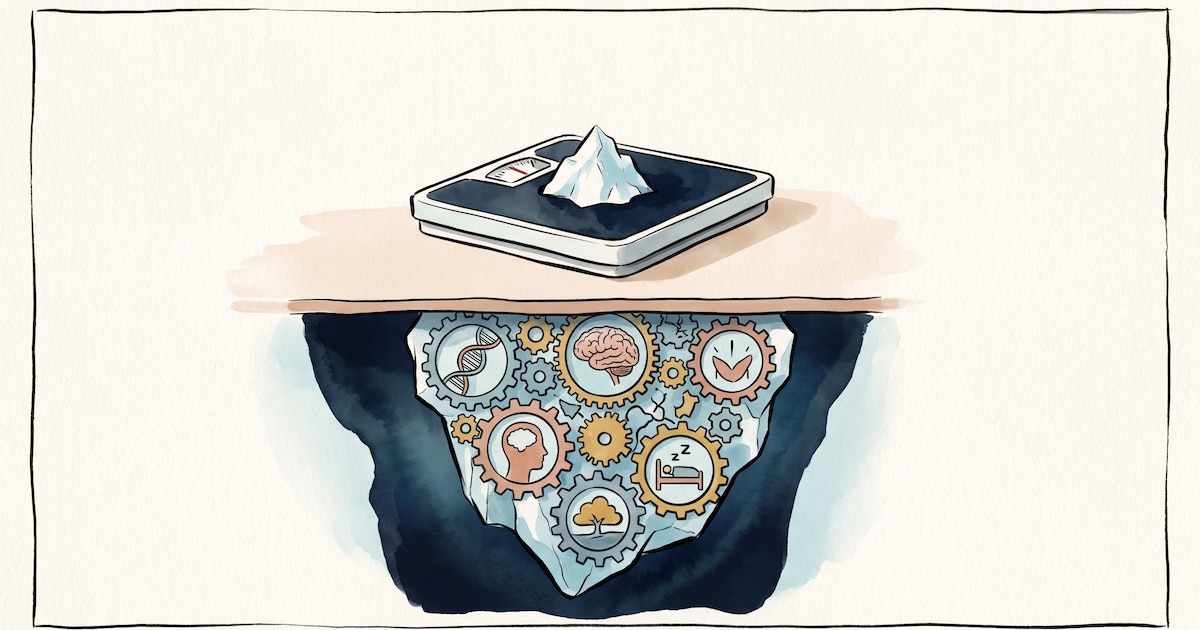
Psychological support can improve weight-loss treatment

Interest in Wellness Rooms Grows as Research Examines Nature and Health

Why “I’m Sorry You Feel This Way” Can Sound Like a Non-Apology

Ambition Can Help People Succeed but May Also Undermine Trust
Couples urged to consider consensual masturbation as a shared sexual option

Fathers’ Regret Can Reflect What They Lost in Themselves
Psychotherapist links anxiety, anger and creativity