

Science & Tech · Space · 11 hrs ago
Chang’e-6 Moon rocks offer clues to why its two sides differ
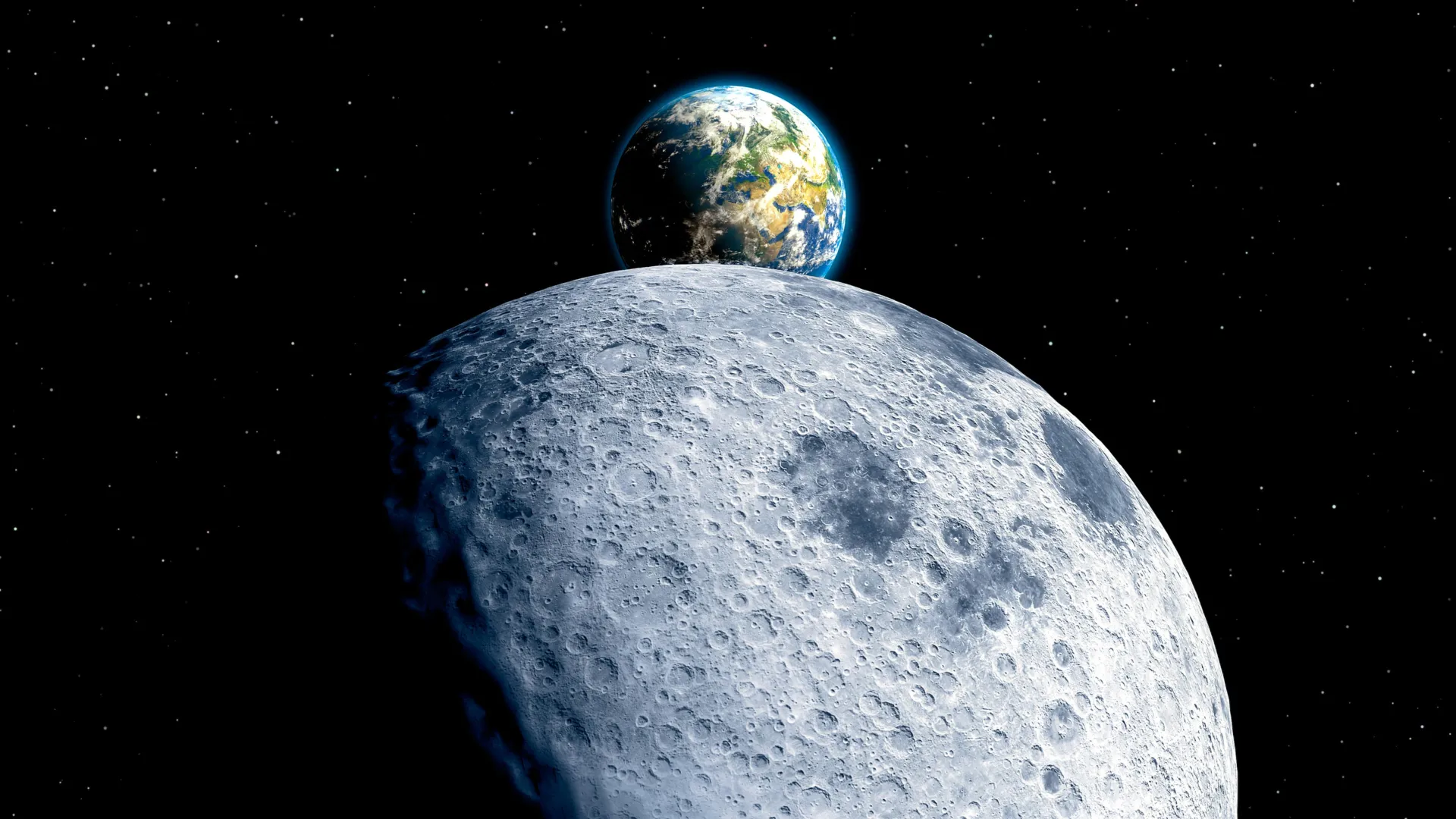
Researchers led by Hejiu Hui analyzed rocks from the Moon’s far side returned by China’s Chang’e-6 mission and compared them with samples from the near side.
The Moon’s near and far sides look strikingly different: the near side has broad dark volcanic plains, while the far side is more heavily cratered and has a thicker crust.
Scientists have debated the cause for decades, including whether differences deep inside the Moon could help explain the contrast.
The mantle samples show broadly similar chemistry on both sides, based on comparisons of basalts and Mg-suite rocks.
The crust samples, by contrast, show chemical differences, including more magnesium-rich material in the far-side anorthosites.
The team says ancient heat-driven movement of molten rock may have shaped the divide after the Moon became tidally locked to Earth, but the findings do not settle the long-running debate.

Analysis of rocks returned by China’s Chang’e-6 mission offers clues to why the Moon’s near and far sides differ.
The researchers found that mantle material beneath the two hemispheres has broadly similar chemical characteristics.
The Moon’s crust shows stronger differences, including more magnesium-rich material in Chang’e-6 anorthosites than in comparable Apollo samples.
The findings suggest that heat-driven circulation in the ancient lunar magma ocean helped shape the differences after the Moon became tidally locked to Earth.
- Who
- A research team led by Professor Hejiu Hui of Nanjing University.
- What
- The team analyzed lunar rocks from Chang’e-6 and compared them with samples from Apollo and Chang’e-5 missions.
- When
- Chang’e-6 returned far-side samples in 2024. The article was published on 2026-10-14.
- Where
- The samples came from the Moon’s far side and were compared with material from the near side.
- Why
- To investigate why the Moon’s near and far sides differ and whether the differences extend into the mantle.
This story does not have two clearly opposing sides.
Chang’e-6 became the first mission to return samples from the Moon’s far side.
ScienceDaily published findings from the analysis of Chang’e-6 rocks and comparisons with near-side samples.
- Research lead
- Professor Hejiu Hui of Nanjing University
- Far-side sample mission
- China’s Chang’e-6
- First far-side samples returned
- 2024
- Rock types analyzed
- Anorthosites, Mg-suite rocks and mare basalts
- Publication date
- 2026-10-14