Politics · South Korea · 2 days ago
South Korea to exempt non-speculative farmland violations from forced sale
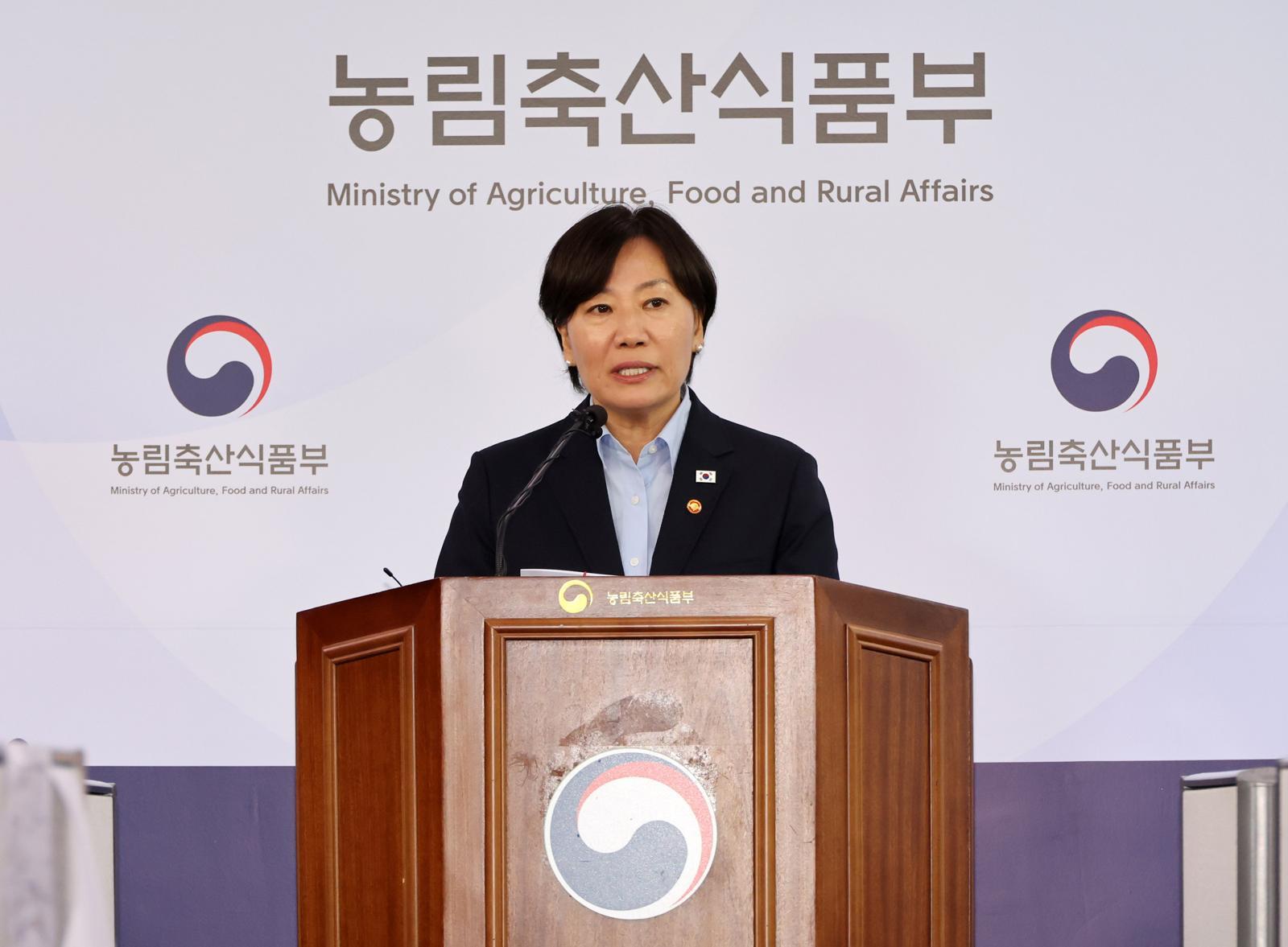
South Korea’s government plans to change how it enforces farmland rules after farmers objected to a nationwide inspection.
The inspection began in May, and about 27% of farmland was flagged as possibly being illegally leased.
Under the planned special law, inherited land, land leased out by older farmers who can no longer work it, and other land not linked to speculation would generally be spared forced-sale orders.
Farmers would have two to three years to put customary rental arrangements into written contracts, which would then be treated as legal during the contract period.
The government says clear cases of speculation, such as buying farmland to resell it or leaving it unused, would still face sale orders.
The rules matter because violations can lead to a forced sale and annual financial penalties if an order is ignored.
The government plans to introduce the bill this month and aims to complete the parliamentary process by the end of the year; lawmakers will decide the length of the transition period.

South Korea will exempt farmland deemed unrelated to speculation from forced-sale orders under planned legislation.
The exemptions cover inherited land, customary leases involving older farmers and land that is difficult to farm.
Farmers will have a two- to three-year special period to formalize customary leases with written contracts.
The government said it would still order the sale of farmland linked to clear speculation, including land bought for resale or left unused after false farming plans were submitted.
The government plans to introduce a special bill this month and pursue its passage by the end of the year.
- Who
- South Korea’s Ministry of Agriculture, Food and Rural Affairs announced the measures.
- What
- Farmland considered unrelated to speculation will be excluded from forced-sale measures. A special bill will set out the exemptions and a period to formalize some leases.
- When
- The measures were announced on October 8, 2026. The government plans to introduce a bill this month and pursue passage by year-end.
- Where
- South Korea.
- Why
- Farmers raised concerns and confusion over a nationwide farmland survey and possible penalties for customary practices.
South Korean government
Farmers concerned about the farmland survey
Policy
South Korean government
The government says farmland not linked to speculation should not face forced-sale orders, and customary leases can be recognized with written contracts.
Farmers concerned about the farmland survey
Farmers have expressed concern and opposition over the survey and the possibility of penalties for customary farmland practices.
The principle that farmland should be owned by those who farm it remains, but the framework for farmland use must be adapted to reality and farmland leases must be brought into the system.
Above all, restoring trust between the government and farmers and fishers is a priority.
President Lee Jae-myung raised farmland speculation at a cabinet meeting and ordered a nationwide survey.
The farmland survey began.
The ruling party and government said they would not impose blanket sale orders for violations unrelated to speculation.
The agriculture ministry announced exemptions for non-speculative farmland and plans for a special bill.
The government plans to introduce the special bill.
The government plans to complete the bill’s passage.
- Special lease period
- Two to three years
- Survey findings
- About 27% of farmland was flagged for suspected illegal leasing in the preliminary survey
- Planned bill
- To be introduced in October 2026
- Target for passage
- By the end of 2026
- Speculative cases
- Examples include farmland shares bought for resale and land left unused after false farming plans were submitted
Sources

Related news

Audit says South Korea’s chief justice was involved in judicial incentive payments
Lee Orders Strong Response to Alleged Injections at Battery Factory

South Korea plans tougher fines for illegal spam and telecom violations

South Korea opposition leader criticizes president over golf and social media

South Korean President Lee’s approval falls to 35.2% in poll

Former South Korean defense minister has not sought military-record correction

Kim Min-seok criticizes shifting attacks on president and ruling party

Five South Korean cyber-security institute staff disciplined for gaming at work

South Korea’s university admissions body delays random application numbers over technical concerns

Lawmakers urge Yoon-era audit commissioner to resign

South Korea’s Democratic Party defends president over golf outing