

Science & Tech · Science & Environment · 1 hr ago
CERN replaces LHC magnets for its high-luminosity upgrade
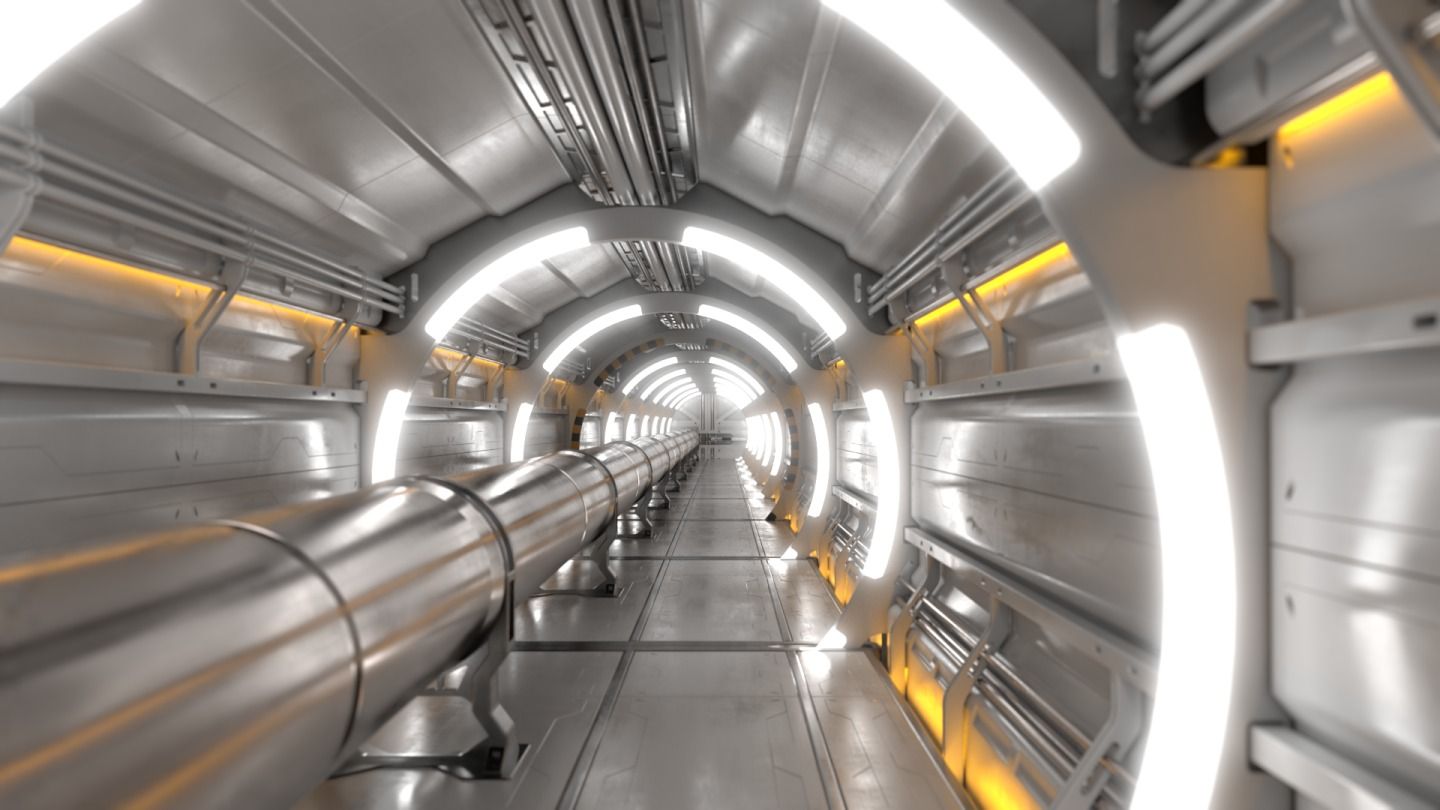
CERN is removing 28 magnets from the Large Hadron Collider near the ATLAS and CMS experiments as part of a major upgrade.
The replacements are made from niobium-tin, or Nb3Sn, which can work in stronger magnetic fields than the niobium-titanium magnets used before.
These are the first Nb3Sn magnets to run in a working accelerator, and their brittle material makes them difficult to manufacture.
Teams produced 250 coils for the upgrade, and 25 failed or were rejected, a yield close to an earlier result from the US side of the project.
The new magnets will focus proton beams more tightly, helping raise the number of collisions from about 60 to between 140 and 200 per crossing.
More collisions could give researchers more chances to detect rare events and collect data.
The upgraded collider is scheduled to start in June 2030, about a year later than originally planned.

CERN is removing 28 superconducting magnets from the Large Hadron Collider to install new niobium-tin quadrupoles for its High-Luminosity upgrade.
The replacement magnets are the first Nb3Sn magnets intended to run in a working accelerator.
The upgrade is designed to increase proton collisions per bunch crossing from about 60 to between 140 and 200.
The High-Luminosity LHC is scheduled to start up in June 2030, about a year later than originally planned.
- Who
- CERN engineers are dismantling the LHC and replacing its magnets.
- What
- They are removing 28 superconducting magnets and fitting Nb3Sn quadrupoles as part of the High-Luminosity LHC upgrade.
- When
- The LHC has been switched off since late June 2026; dismantling began on September 7. The upgrade is scheduled to start in June 2030.
- Where
- At the Large Hadron Collider, on either side of the ATLAS and CMS experiments.
- Why
- The new magnets can focus proton beams more strongly, helping increase the number of collisions and the chances of observing rare events.
This story does not have two clearly opposing sides.
The LHC was switched off.
Teams began dismantling the machine on either side of the ATLAS and CMS experiments.
A study on the challenges of manufacturing the replacement magnets was published.
IEEE Spectrum wrote about the manufacturing study.
The High-Luminosity LHC is scheduled to start up.
- Magnets being removed
- 28 superconducting magnets
- Replacement material
- Niobium-tin (Nb3Sn)
- New quadrupole aperture
- 150 mm, compared with 70 mm for the magnets being removed
- Planned collisions per bunch crossing
- 140 to 200, up from about 60
- Scheduled upgrade start
- June 2030