

Health · Medical Research · 9 hrs ago
Brain MRI marker linked to biological aging in two midlife cohorts
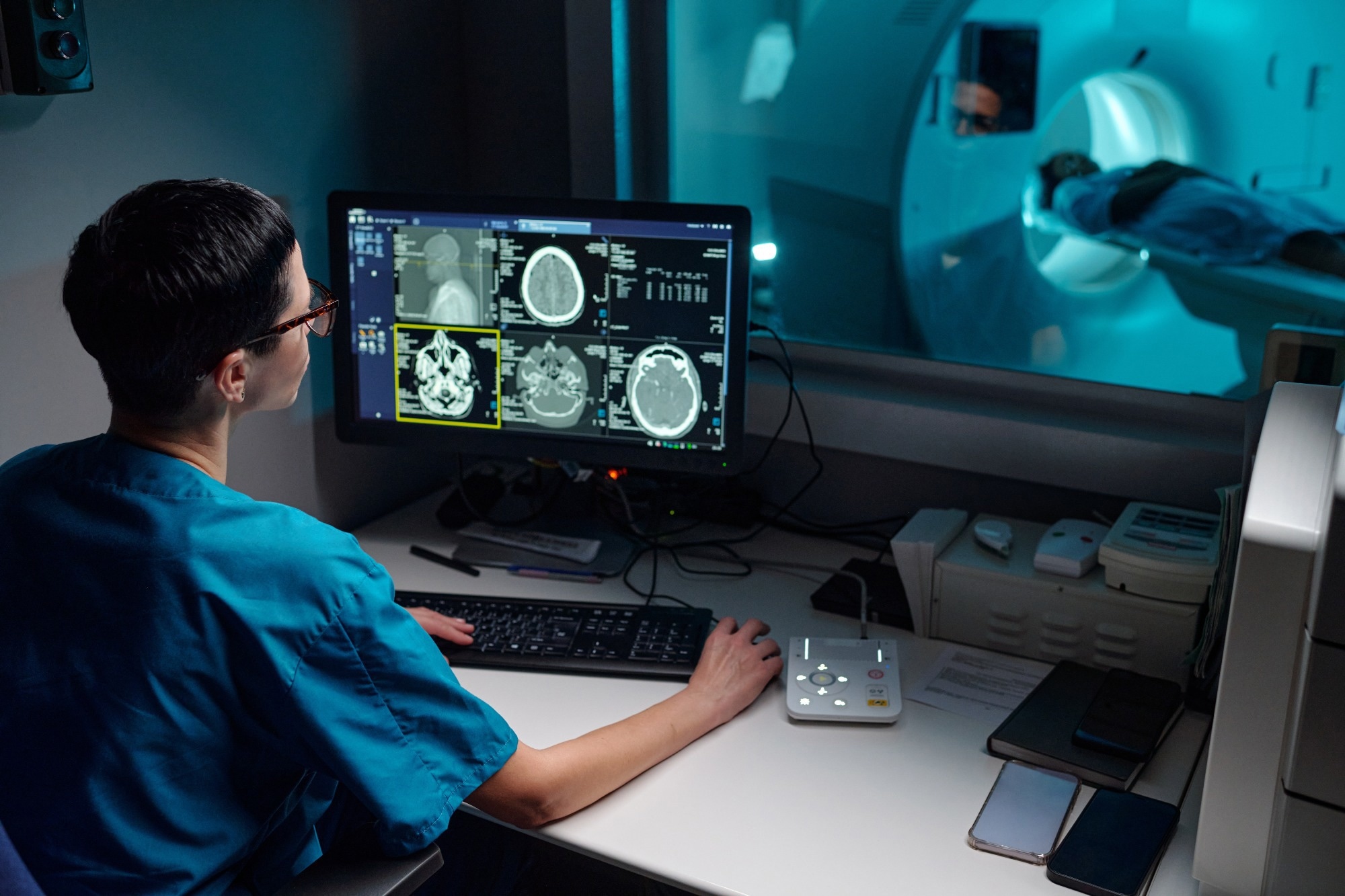
Researchers at the University of Pittsburgh and the University of Virginia tested an MRI-based marker of aging in two groups of adults from the Pittsburgh area.
The marker, called DunedinPACNI, uses brain structure from a single scan to estimate how quickly the body is aging.
The team compared its results with blood-based measures of aging across several body systems.
In both groups, a faster marker score was linked to higher biological aging scores.
People with fewer years of education also had faster marker scores, even after the researchers accounted for age and sex.
A smaller group had blood tests repeated 7 to 15 years later, allowing researchers to examine changes over time.
The findings support a link between brain structure and wider physical aging, but the study does not establish that a brain scan can predict an individual’s future health.

Researchers found that an MRI-based brain aging marker was associated with multisystem biological aging in two midlife cohorts.
The marker, Dunedin Pace of Aging Calculated from Neuroimaging, estimates the pace of physiological aging from structural features in a brain scan.
The study analyzed 451 participants in the Adult Health and Behavior study and 295 in the Neurobiology of Adult Health study.
Faster marker scores were also associated with fewer years of education in both cohorts.
A subgroup of 224 participants had a second blood biomarker assessment 7–15 years after baseline.
- Who
- Researchers from the University of Pittsburgh and the University of Virginia studied participants in two University of Pittsburgh cohorts.
- What
- The study tested whether an MRI-based brain aging marker was associated with biological aging and later physiological health.
- When
- The article was published on 2026-11-09. The study dates are not stated.
- Where
- The cohorts recruited generally healthy adults from communities around Pittsburgh, USA.
- Why
- Researchers investigated whether the marker could provide information about multisystem aging and long-term changes in physiological health.
This story does not have two clearly opposing sides.
Participants provided blood samples and MRI scans for the study.
A subgroup of 224 Adult Health and Behavior participants had a second blood biomarker assessment.
- AHAB participants
- 451
- NOAH participants
- 295
- Longitudinal subgroup
- 224 AHAB participants
- Follow-up interval
- 7–15 years after baseline
- MRI marker
- Dunedin Pace of Aging Calculated from Neuroimaging