

Entertainment · Film · 4 hrs ago
New films explore flamenco as part of cinema, not just a subject
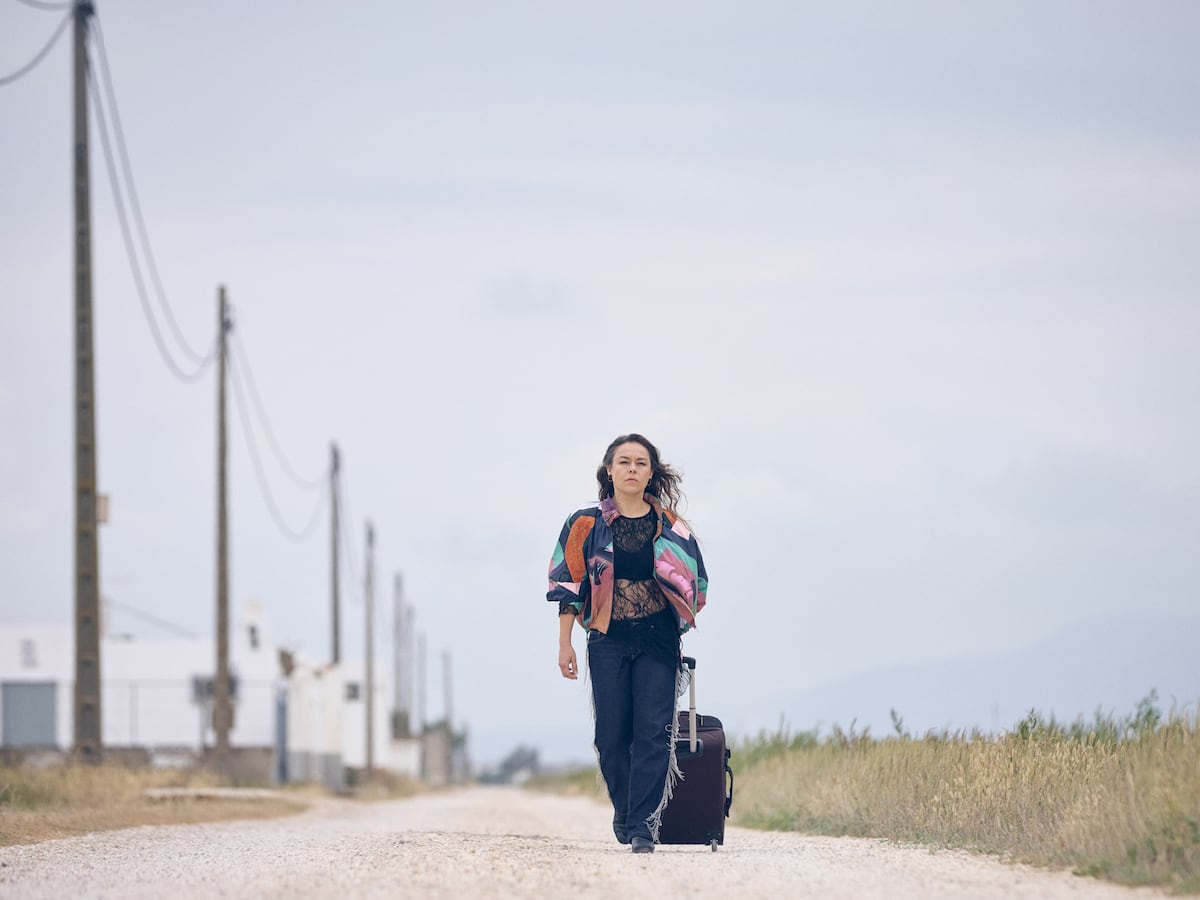
A new generation of filmmakers is exploring flamenco through cinema in several recent films.
The story reaches back to 1894, when dancer Carmencita was filmed in Thomas Edison’s New Jersey studio, linking flamenco and the new medium of moving pictures.
Isaki Lacuesta’s documentary Jaleos brings together stories about flamenco, with artists including Rosalía and C. Tangana as narrators.
A second part of Jaleos is already in progress.
Luis E. Parés’s documentary Bailar la muerte traces flamenco on screen across the divide between Spain under Franco and artists who went into exile after the Civil War.
Carla Simón’s short Flamenco, starring dancer Rocío Molina, premiered at Cannes and helped start work on a new flamenco musical.
The films present flamenco as an art that keeps reinventing itself, rather than simply a subject for the screen.

New films are exploring flamenco as part of cinema itself, rather than only as a subject.
The projects include Isaki Lacuesta’s documentary Jaleos, Luis E. Parés’s Bailar la muerte and Carla Simón’s short film Flamenco.
Jaleos connects stories about flamenco and has a second part in development.
Bailar la muerte traces flamenco on screen across the divide between those who stayed in Spain after the Civil War and those who went into exile.
Simón’s short, starring dancer and choreographer Rocío Molina, is the starting point for a planned flamenco musical.
The article links this renewed interest to flamenco’s long history with cinema, dating back to a 1894 film of dancer Carmencita.
- Who
- Directors Isaki Lacuesta, Luis E. Parés and Carla Simón are making films that explore flamenco and cinema.
- What
- New projects present flamenco as part of cinema, not just as a subject.
- When
- The article was published on 22 November 2026. The projects are described as current or recently released.
- Where
- The films and their subjects span Spain and, in Bailar la muerte, the exile experience; the article also recalls a 1894 film made in New Jersey.
- Why
- The filmmakers are revisiting the relationship between two popular arts and flamenco’s continuing reinvention.
This story does not have two clearly opposing sides.
Thomas A. Edison and his team filmed Spanish dancer Carmencita at the Black Maria studio in New Jersey.
Isaki Lacuesta made La leyenda del tiempo, one of the films that inspired Pedro G. Romero’s essay on flamenco cinema.
Lacuesta made Entre dos aguas, also cited as an inspiration for Romero’s essay.
Carla Simón’s short film Flamenco, starring Rocío Molina, premiered at Cannes.
- First film subject
- Carmencita, also known as Perla de Sevilla
- Historic filming
- Mid-March 1894, at the Black Maria studio in New Jersey
- Jaleos
- Directed by Isaki Lacuesta; a second part is in development
- Bailar la muerte
- Directed by Luis E. Parés; explores flamenco on screen across exile and Franco’s dictatorship
- Flamenco
- Carla Simón’s short film stars Rocío Molina and premiered at Cannes
- Lacuesta films
- La leyenda del tiempo (2006) and Entre dos aguas (2018)
What people are saying
It is no coincidence that their stories go hand in hand, because they also share the most popular roots.
flamenco is more punk than punk or more rock than rock
a flamenco cinema and not just about flamenco
divided