

World · Latin America · 3 hrs ago
Mexico’s Supreme Court orders a new ruling in teen rape case
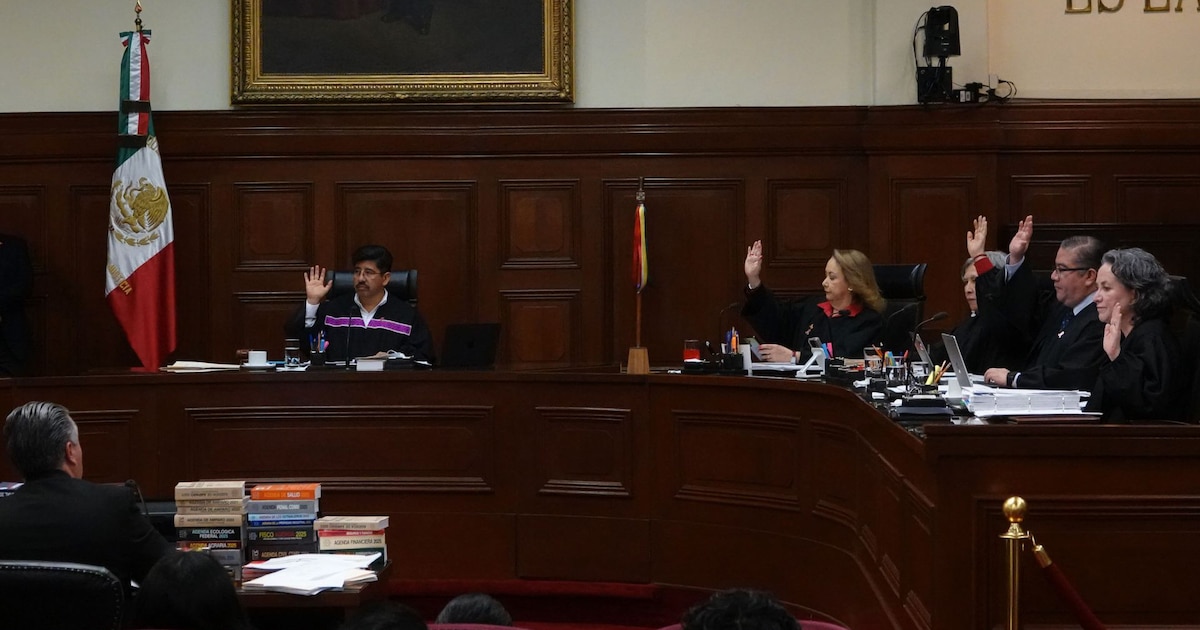
Mexico’s Supreme Court has ordered a fresh review of a case involving the alleged rape of a teenager in Mexico City.
The Court also ruled that victims and their lawyers can ask a judge to clarify the charges brought by prosecutors, on equal terms with the accused and their defence.
The case began with a judge allowing proceedings against the accused, but an appeals court later ended the case, finding that the crime had not occurred.
The teenager’s challenge was rejected by a lower court, which the Supreme Court said had not properly applied gender, childhood and intersectional perspectives when assessing the evidence.
The Court said victims’ accounts are key evidence in sexual violence cases and should not be dismissed automatically because of inconsistencies; judges should consider the context and the effects of trauma.
The lower court must now issue a new ruling, and the Supreme Court’s guidance says the threshold for continuing a case is lower than the standard needed for a conviction.

Mexico’s Supreme Court ordered a lower court to issue a new ruling in a rape case involving a teenage girl in Mexico City.
The Court said the lower court had not properly assessed whether it applied an intersectional, gender and childhood perspective.
It also ruled that victims and their legal representatives may ask for clarification of the prosecution’s accusation, on equal terms with the accused and their defence.
The Court said sexual-violence victims’ statements are important evidence and should not be automatically discredited because of inconsistencies.
- Who
- Mexico’s Supreme Court and a lower court reviewing the case. The case involves a teenage rape victim.
- What
- The Supreme Court ordered the lower court to issue a new ruling and confirmed that victims may seek clarification of the prosecution’s accusation.
- When
- The Supreme Court decided the case on November 17, 2026.
- Where
- Mexico City, Mexico.
- Why
- The Court found that the lower court had not properly assessed whether it applied intersectional, gender and childhood perspectives.
This story does not have two clearly opposing sides.
The Supreme Court ruled that judges in sexual-violence cases must apply an intersectional analysis to identify power and inequality between the parties.
A judge ordered the accused person to stand trial, but an appeals court later overturned that decision and ordered the case dismissed.
The victim challenged the dismissal; a collegiate court denied her constitutional appeal.
The Supreme Court reviewed the case and ordered the collegiate court to issue a new ruling.
- Case
- Direct appeal for review 3029/2026
- Decision date
- November 17, 2026
- Court
- Mexico’s Supreme Court
- Victim
- A teenage girl
- Location
- Mexico City
- Legal provision
- Article 311 of the National Code of Criminal Procedure