

Health · Medical Research · 2 hrs ago
Semaglutide changed gut bacteria in rats beyond the effects of eating less
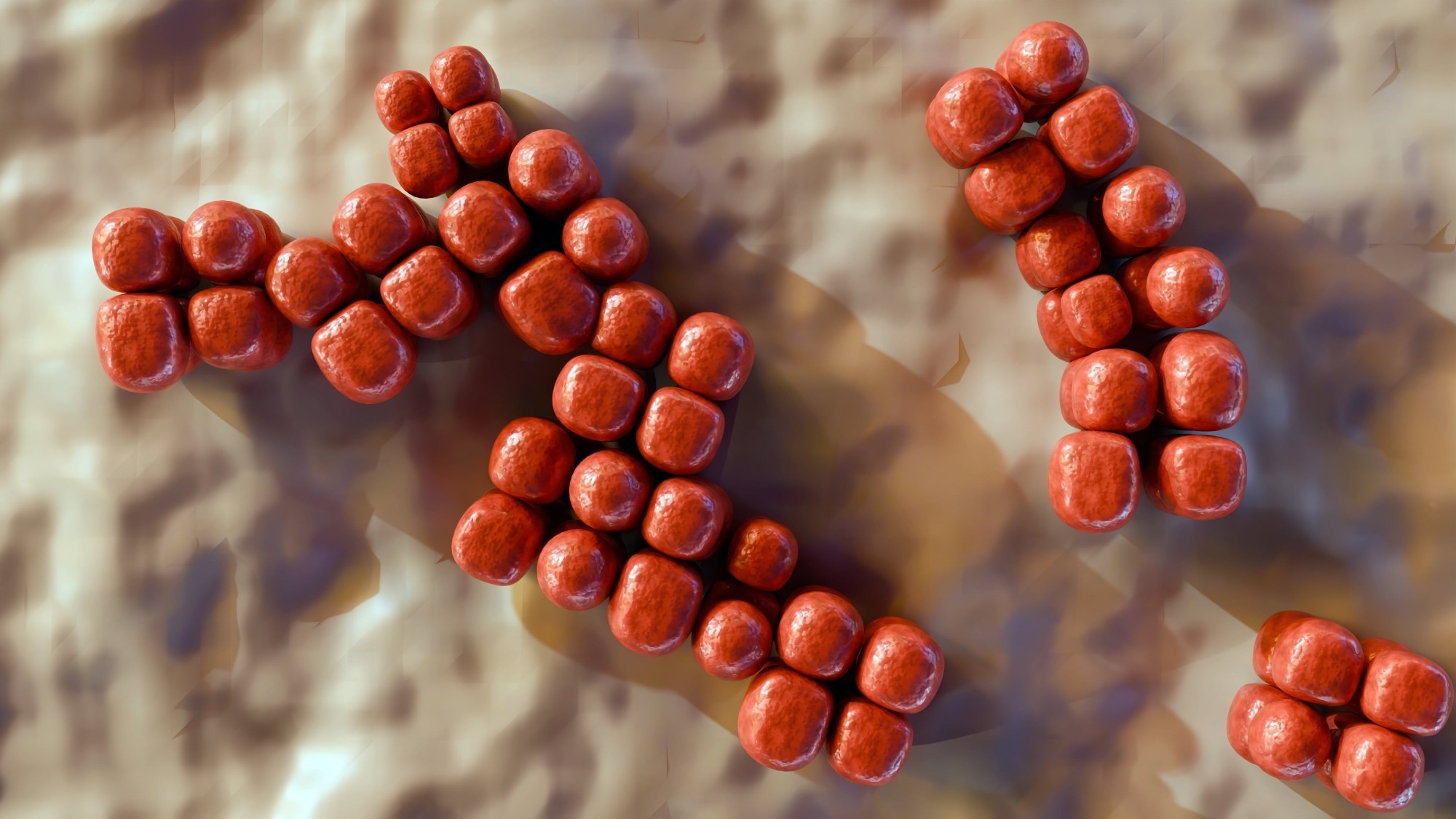
Researchers tested semaglutide in male and female rats eating a high-fat diet.
They compared rats given the drug with untreated rats and with rats fed the same amount as drug-treated animals.
The drug changed gut bacteria beyond what eating less explained, because bacterial community composition differed between treated and pair-fed rats.
Some measures of bacterial diversity changed, and the patterns were not identical in males and females.
The results suggest semaglutide may affect the gut microbiome through more than its effect on appetite, but the study does not show what those changes mean for health.
The findings are from rats, not people, and the researchers say further research is needed to understand how the drug and sex influence gut bacteria.

A study in male and female rats found that semaglutide changed gut bacterial communities in ways not fully reproduced by eating the same reduced amount of food.
The researchers compared semaglutide-treated rats with control rats and pair-fed rats, which received the same amount and composition of food as matched treated animals.
Semaglutide reduced food intake and weight gain in both sexes.
Bacterial community composition differed between semaglutide and pair-fed rats in both sexes.
The study examined fecal samples after four weeks of treatment and used sequencing to profile bacteria.
- Who
- Researchers studied male and female Sprague-Dawley rats.
- What
- The study tested whether semaglutide-related gut microbiome changes could be explained by reduced food intake alone.
- When
- Fecal samples were collected after four weeks of treatment. The article was published on October 27, 2026.
- Where
- Not stated
- Why
- Researchers sought to distinguish medication-related effects on gut bacteria from effects associated with eating less.
This story does not have two clearly opposing sides.
The rats began a high-fat diet providing 60% of calories from fat.
The rats began treatment while continuing the high-fat diet.
Researchers collected fecal samples for bacterial profiling.
- Animals
- 36 male and 36 female Sprague-Dawley rats
- Diet
- High-fat diet providing 60% of calories from fat
- Treatment groups
- Control, semaglutide-treated and pair-fed
- Sampling
- Fecal samples collected after four weeks of treatment
- Sequencing method
- 16S rRNA gene sequencing