

Health · Medical Research · 21 hrs ago
Study links muscle protein Miro1 to insulin resistance in type 2 diabetes
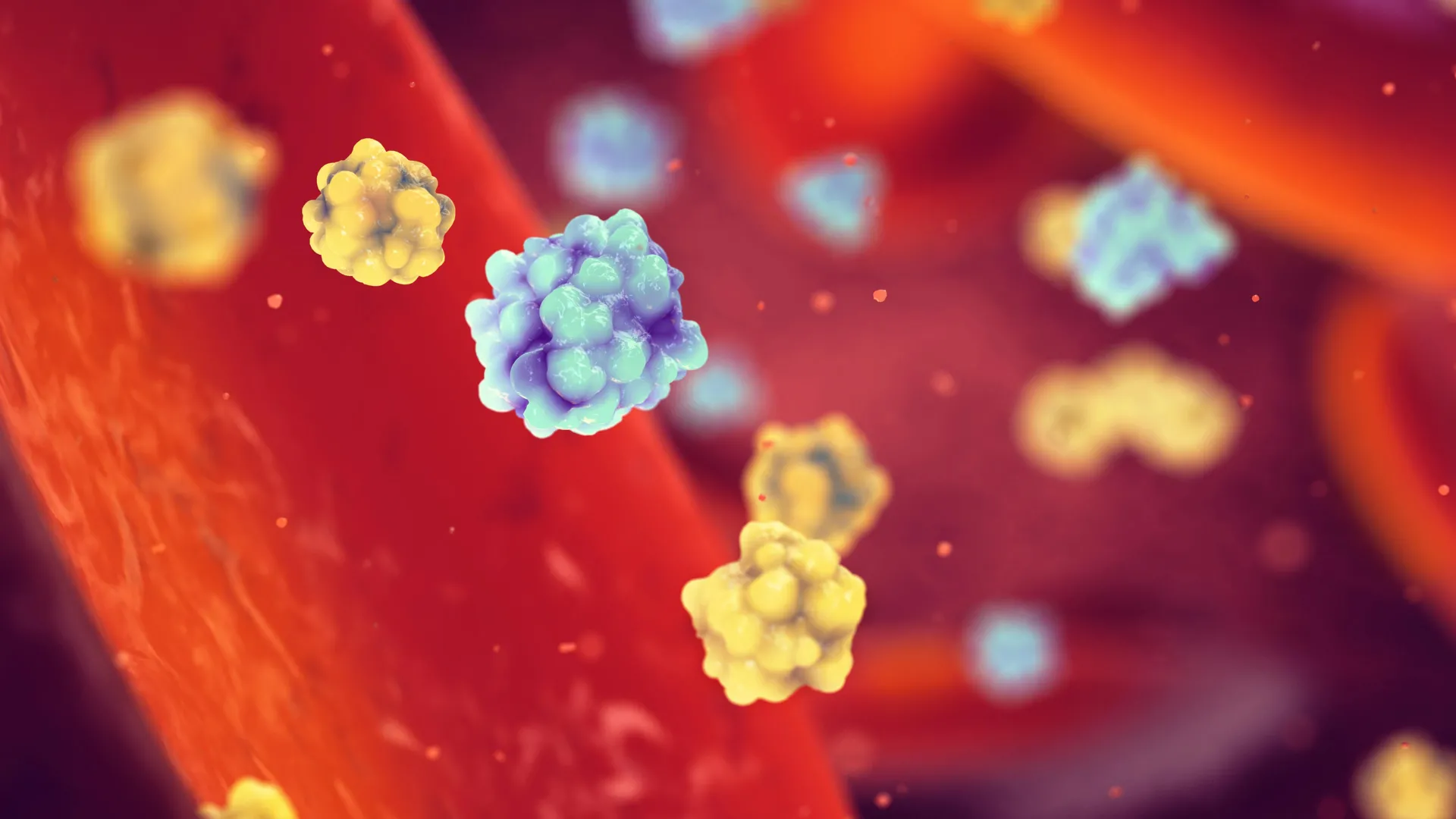
Researchers linked the muscle protein Miro1 to insulin resistance in people with type 2 diabetes.
Insulin resistance makes it harder for the body to control blood sugar, and high Miro1 levels were found in the skeletal muscles of people with the disease.
In preclinical experiments, removing Miro1 restored muscles’ response to insulin.
A randomized trial involving people with obesity and type 2 diabetes found that aerobic exercise lowered Miro1 levels in muscle.
The decline happened alongside better insulin sensitivity and improved muscle energy production, offering a possible explanation for how exercise helps.
Miro1 could become a target for future treatments, but the findings do not show that a treatment aimed at the protein is ready for patients.

Researchers found that the muscle protein Miro1 may contribute to insulin resistance in people with Type 2 diabetes.
Miro1 levels were higher in the skeletal muscles of people with the disease.
In preclinical models, removing Miro1 restored muscles’ response to insulin.
In a trial involving people with obesity and Type 2 diabetes, exercise was associated with lower muscle Miro1 levels and improved insulin sensitivity.
The findings were published in Nature Communications and may point to a possible treatment target.
- Who
- Researchers led by senior author Dr. John P. Kirwan studied Miro1 in cells, preclinical models and people with Type 2 diabetes.
- What
- The study linked higher muscle Miro1 levels to impaired insulin response. Removing Miro1 restored insulin responsiveness in preclinical models.
- When
- Published on November 8, 2026.
- Where
- The research included work at LSU’s Pennington Biomedical Research Center. The study also examined people with Type 2 diabetes.
- Why
- Researchers sought to understand muscle insulin resistance, a central feature of Type 2 diabetes, and identify possible treatment targets.
This story does not have two clearly opposing sides.
Researchers found higher Miro1 levels in the skeletal muscles of people with Type 2 diabetes.
Removing Miro1 restored the muscles’ response to insulin.
Participants assigned to aerobic exercise experienced lower muscle Miro1 levels alongside improvements in insulin sensitivity.
The findings were published in Nature Communications.
- Protein
- Miro1, also known as Mitochondrial Rho GTPase1
- Location in cells
- Outer membrane of mitochondria
- Publication
- Nature Communications
- Senior author
- Dr. John P. Kirwan
- Exercise comparison
- Aerobic exercise versus standard medical care
What people are saying
This study, the product of years of work, identifies Miro1 as a key part of the answer.
For the field, this is a new therapeutic target.