

Business · Companies · 4 hrs ago
Mexico’s fuel stations will have to stop accepting cash
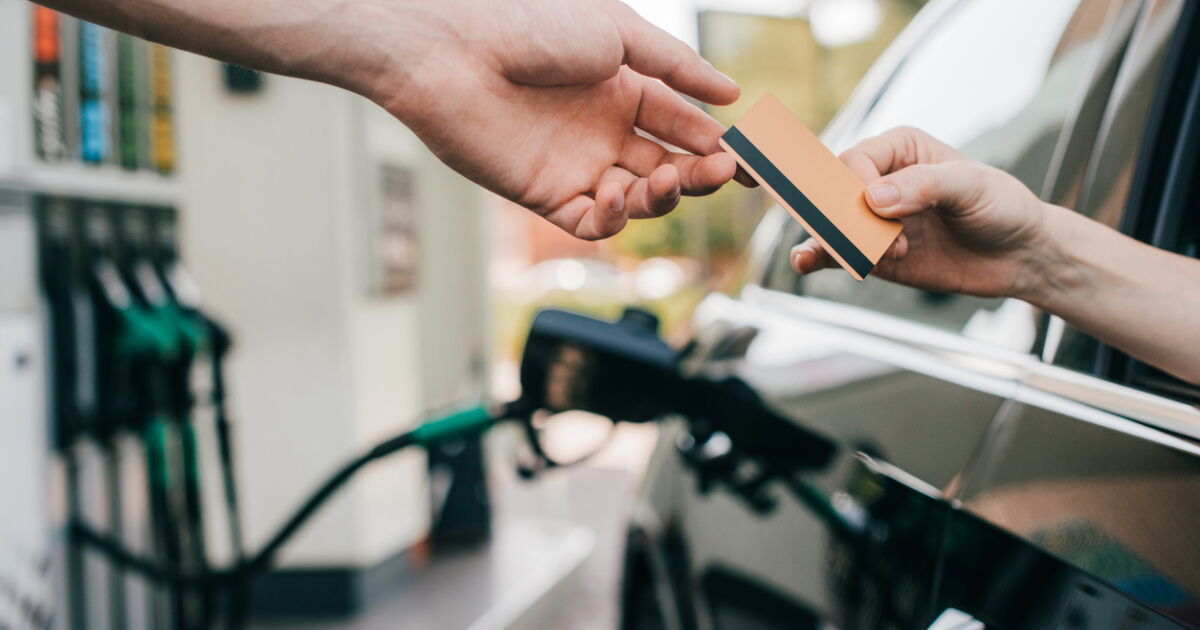
Mexico’s new Digital Economy Law requires fuel stations to stop accepting cash and take electronic payments, including bank cards and digital payment services.
The law has passed both houses of Congress and has been sent to the executive branch for approval and publication.
The change will not start immediately because officials still need to set an implementation schedule and technical requirements.
Stations will need suitable payment terminals, reliable internet, secure systems and updated electronic billing, which could increase their costs.
Rural stations face greater hurdles where internet access is limited and customers, including farmers buying diesel, often pay in cash.
Banks’ fees for processing payments could add to the financial pressure on station operators.
The requirement is intended to make fuel and money flows easier to trace, but the sources do not give a start date or details of how fees will be set.

Mexico’s newly approved Digital Economy Law will require fuel stations to stop accepting cash for fuel and take electronic payments.
The law was approved by both chambers of the legislature and sent to the executive for promulgation and publication.
The change will not take effect immediately; authorities still need to set an implementation schedule and detailed requirements.
The stated aim is to provide greater certainty about the origin of fuel and money in the sector and make transactions traceable.
Fuel stations may need to invest in payment equipment, internet connections, cybersecurity and electronic invoicing systems.
- Who
- Fuel stations in Mexico will have to accept electronic payments instead of cash for fuel.
- What
- The Digital Economy Law requires stations to stop accepting cash and use electronic payment methods, including bank cards and Dimo or CoDi.
- When
- The law has been approved, but the change will not take effect immediately. An implementation schedule has not yet been set.
- Where
- Fuel stations across Mexico.
- Why
- The stated aim is to provide greater certainty about the origin of fuel and money in the sector and allow transactions to be traced.
This story does not have two clearly opposing sides.
The legislature approved the Digital Economy Law in both chambers and returned it to the executive for promulgation and publication.
The law’s requirements will be implemented according to a schedule that has yet to be defined.
- Law
- Digital Economy Law
- Required payment methods
- Electronic payments, including bank cards and Dimo or CoDi
- Implementation
- Schedule and detailed requirements still to be defined
- Fuel-station payments
- 7% of the 11,261 million credit- and debit-card payments made in 2025 were at fuel stations
What people are saying
They will have to invest or strengthen their systems because there will be a scale-up of payment equipment at stations, as well as cybersecurity and electronic invoicing. The station’s own infrastructure will definitely have to be strengthened to handle a greater number of electronic payments.
Service stations have historically handled a large flow of cash, even though they have many alternatives and payment methods; at many stations, most payments are still in cash.