

Health · Medical Research · 1 hr ago
Study finds immune and tumor differences in pancreatic cancer samples
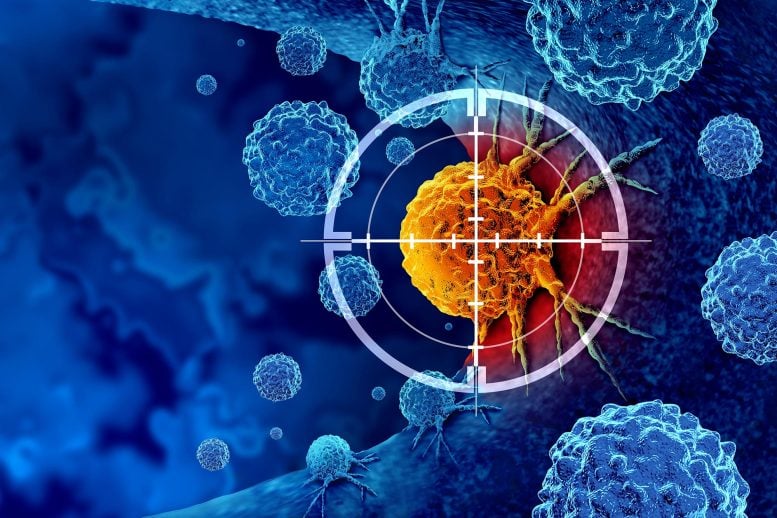
Researchers at the University of Cincinnati Cancer Center found differences in pancreatic tumors between patient groups.
They compared tumor samples from Black patients with samples from non-African American patients using several kinds of biological data.
Black patients’ samples had more B cells, which can weaken the body’s immune response to cancer.
The team said these cells may help tumors hide from the body’s defenses, though more research is needed to confirm this.
Cancer cells also showed different molecular markers, including markers linked to drug resistance.
These differences could affect responses to targeted treatments such as RAS inhibitors.
The researchers hope further work will identify tumor subtypes and support more personalized treatment, but the findings do not yet change current care.

Researchers at the University of Cincinnati Cancer Center found differences in pancreatic tumor cells and surrounding immune cells between Black patients and non-African American patients.
In samples from Black patients, B cells were more abundant and showed stronger immunosuppressive features, which may dampen the body’s response to cancer.
The study also found distinct molecular markers in cancer cells that may be associated with responses to targeted therapies and drug resistance.
The researchers said further work is needed to understand these differences and their effects on outcomes.
The findings may eventually help identify pancreatic cancer subtypes and support more personalized treatment.
- Who
- Researchers at the University of Cincinnati Cancer Center, led by Nina Steele, studied pancreatic cancer samples.
- What
- The study found differences in tumor cells and immune cells between Black patients and non-African American patients.
- When
- The study was recently published in Cancer Research. An exact publication date is not stated.
- Where
- The research involved the University of Cincinnati Cancer Center and Henry Ford Health; the samples represented Americans diagnosed with pancreatic cancer.
- Why
- The researchers aimed to understand differences between tumors that could affect disease development and treatment response.
This story does not have two clearly opposing sides.
Steele began the project at Henry Ford Health and worked with colleagues there and at the University of Cincinnati.
The study was published in Cancer Research.
- Study lead
- Nina Steele
- Institution
- University of Cincinnati Cancer Center
- Publication
- Cancer Research
- Immune-cell finding
- B cells were more abundant and more immunosuppressive in samples from Black patients
- Treatment relevance
- Tumor markers may be associated with drug resistance and responses to RAS inhibitors
What people are saying
This may mean the B cells are helping the cancer cells hide in this patient population
The markers upregulated in Black patients likely represent a type of cells typically associated with drug resistance, so this biological difference could play a role in outcomes.
We’re headed toward forecasting, the ability to better predict what will happen to every patient in their journey before it happens.