

Science & Tech · Science & Environment · 2 hrs ago
Permanent daylight saving time could add 2 billion dark school trips
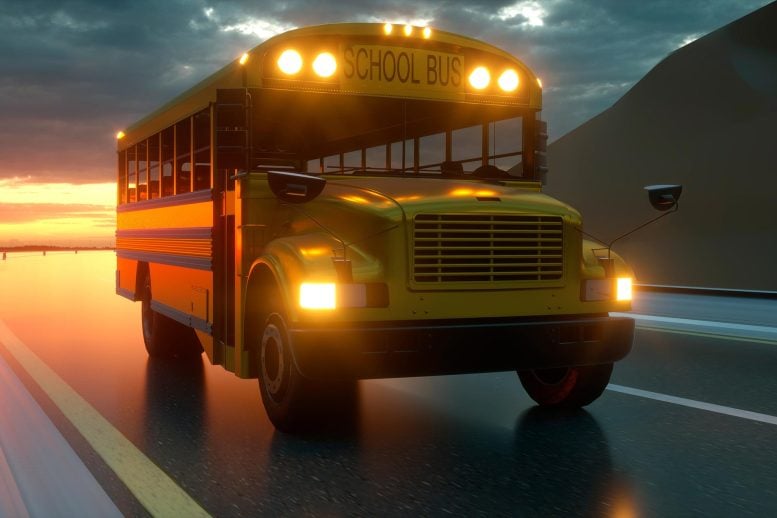
A University of Washington study estimates that permanent daylight saving time could add at least 2 billion dark school trips nationwide compared with the current system.
The change would keep clocks an hour ahead in winter, making sunrise later while many children still travel to school at the same time.
Researchers studied school schedules and enrollment in 14 states that have approved measures supporting the change; all 14 would see more dark commutes.
Washington would have nearly 35 million additional trips in darkness, and Georgia would have about 71 million, the largest increase among the states studied.
The researchers also found that fatal crashes involving school-aged pedestrians were roughly twice as likely in dark mornings as after sunrise.
Less morning sunlight may also make it harder to regulate the body clock, which affects sleep, mood and appetite.
The federal bill remains stalled in the Senate; it passed the House, and the state measures would take effect if it becomes law.

A nationwide shift to permanent daylight saving time could add at least 2 billion trips to school in darkness, researchers estimate.
The University of Washington team found that all 14 states studied would see more dark school commutes under permanent daylight saving time.
A review of traffic collision records found fatal crashes involving school-aged pedestrians were roughly twice as likely during dark mornings as after sunrise.
Researchers also warn that reduced morning sunlight could affect children’s circadian rhythms, which help regulate sleep, mood and appetite.
A bill to make daylight saving time permanent passed the U.S. House this past summer but remains stalled in the Senate.
- Who
- University of Washington researchers studied the potential effects on schoolchildren.
- What
- Permanent daylight saving time could add at least 2 billion dark trips to school nationwide.
- When
- The study was published October 29; the proposed change would make winter mornings darker from November through March.
- Where
- The estimate covers the United States. The researchers examined 14 states that had approved measures supporting permanent daylight saving time.
- Why
- Keeping daylight saving time through winter would move sunrise an hour later on the clock, while many children would still travel to school on fixed schedules.
This story does not have two clearly opposing sides.
The U.S. House of Representatives passed a bill to make daylight saving time permanent, while the legislation remained stalled in the Senate.
The study was published in the journal Current Biology.
- Nationwide estimate
- At least 2 billion additional dark school commutes
- States studied
- 14 of the 19 states that had approved permanent daylight saving time measures
- Washington state
- Nearly 35 million additional dark school commutes
- Georgia
- Approximately 71 million additional dark school commutes
- Traffic safety finding
- Fatal crashes involving school-aged pedestrians were roughly twice as likely during dark mornings as after sunrise
3 sources
What people are saying
When we send kids to school in the dark, we are depriving them from an opportunity to get that morning daylight
We were asking what’s the cost for these children. We wanted actual numbers, a real number of kids based on the geographic location of each school
It's called the 'Sunshine Protection Act' because you get an extra hour of light at the end of the day. But you will take that hour from the morning. You could call it the Sunshine Destruction Act