

Business · Energy & Commodities · 7 hrs ago
Uneven rains threaten spice supplies and could keep prices high
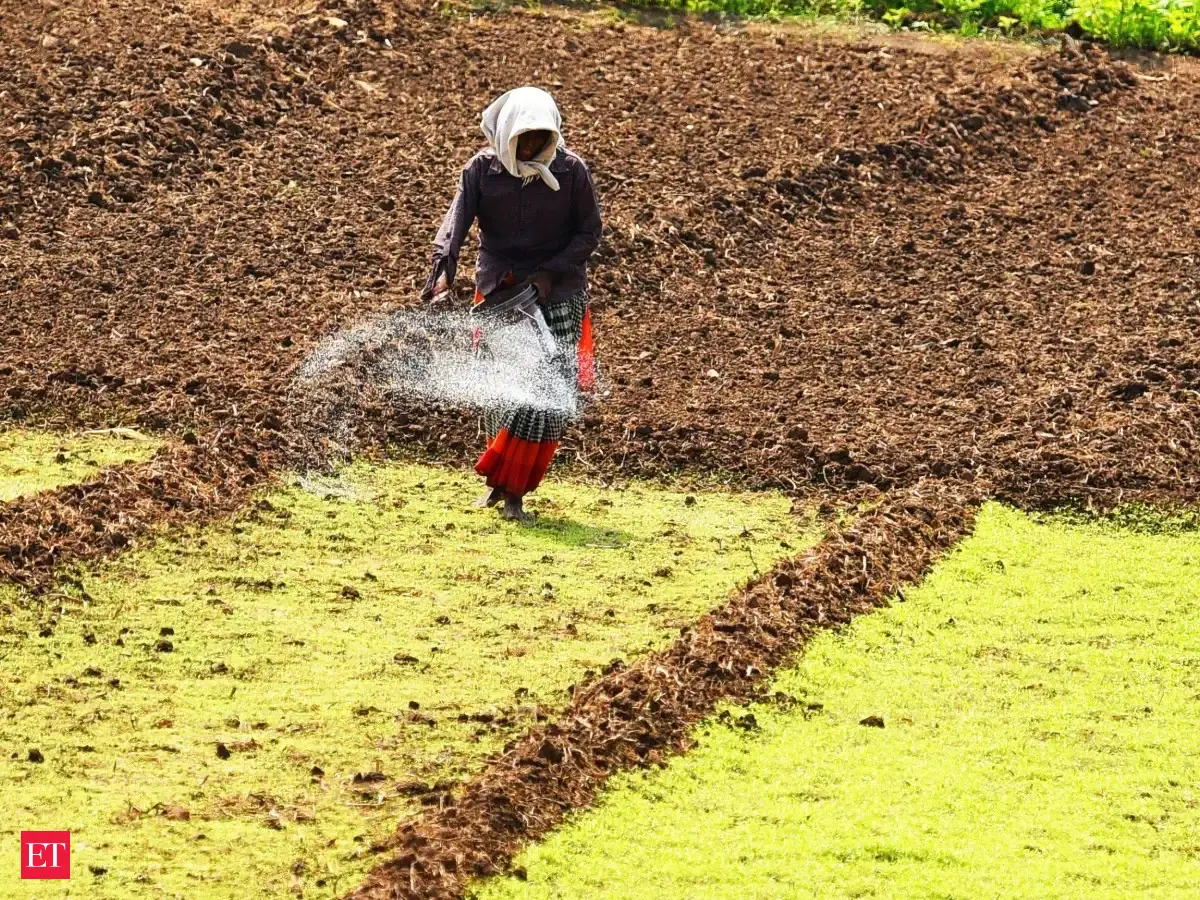
Uneven monsoon rains and dry soil threaten spice production across southern India, including Karnataka, Andhra Pradesh and Tamil Nadu.
Turmeric output is projected to fall 10% in 2026-27, even though the area planted may rise by 10% to 15%; the drop could reach 20% to 25% if dry conditions continue.
Red chilli sowing in Andhra Pradesh and Telangana is nearly a month late, while cumin acreage may shrink because of poor weather and soil moisture.
Low carry-over stocks and expected export demand add pressure to supplies and prices.
India grows about 75% of the world’s turmeric and accounts for more than 60% of global turmeric trade.
Several spice prices have already risen sharply: year-on-year wholesale prices in September were up 23.37% for turmeric and 35.96% for dry red chillies, while garlic prices nearly doubled.
Prices may stay elevated in the coming months if dry conditions persist and harvests are delayed.

Uneven monsoon rains and dry soil in southern India threaten spice yields, raising the risk of tighter supplies and elevated prices.
Turmeric production is projected to fall 10% in 2026-27 despite an increase in cultivated area.
Red chilli sowing in Andhra Pradesh and Telangana has been delayed by nearly a month because of inadequate rainfall.
Low carry-over stocks and expected growth in export demand could add to price pressure.
Retail food inflation rose to 7.74% in September, while wholesale prices of turmeric and dry red chillies were up year on year.
- Who
- Spice growers and suppliers in India face production and supply risks; consumers may face higher prices.
- What
- Uneven rains and dry soil conditions threaten spice yields and could keep prices elevated.
- When
- The risks concern the coming months and the 2026-27 crop year.
- Where
- Southern India, particularly Karnataka, Andhra Pradesh and Tamil Nadu; red chilli sowing has been delayed in Andhra Pradesh and Telangana.
- Why
- Inadequate rainfall and dry soil conditions threaten yields, while low carry-over stocks and expected stronger export demand may tighten supplies.
This story does not have two clearly opposing sides.
Retail food inflation was 7.74%, up from 5.97% in August, and wholesale prices of turmeric and dry red chillies were up 23.37% and 35.96% year on year.
Turmeric production is projected to fall 10%, with the decline potentially reaching 20-25% if dry conditions persist.
- Turmeric production
- Projected to fall 10% in 2026-27
- Turmeric downside risk
- Decline could reach 20-25% if dry conditions persist
- World turmeric supply
- India grows roughly 75% of the world’s turmeric
- Red chilli sowing
- Delayed by nearly a month in Andhra Pradesh and Telangana
- Retail food inflation
- 7.74% in September, compared with 5.97% in August
- Wholesale turmeric prices
- Up 23.37% year on year in September
What people are saying
Despite a higher area under spice cultivation, we can see an impact on yield due to the effect of El Nino, especially in Karnataka, Andhra Pradesh and Tamil Nadu
The carry-over stocks from last year are low and export demand is expected to increase which will keep the prices in the retail market elevated