

Health · Medical Research · 2 hrs ago
When borderline blood test results may need attention
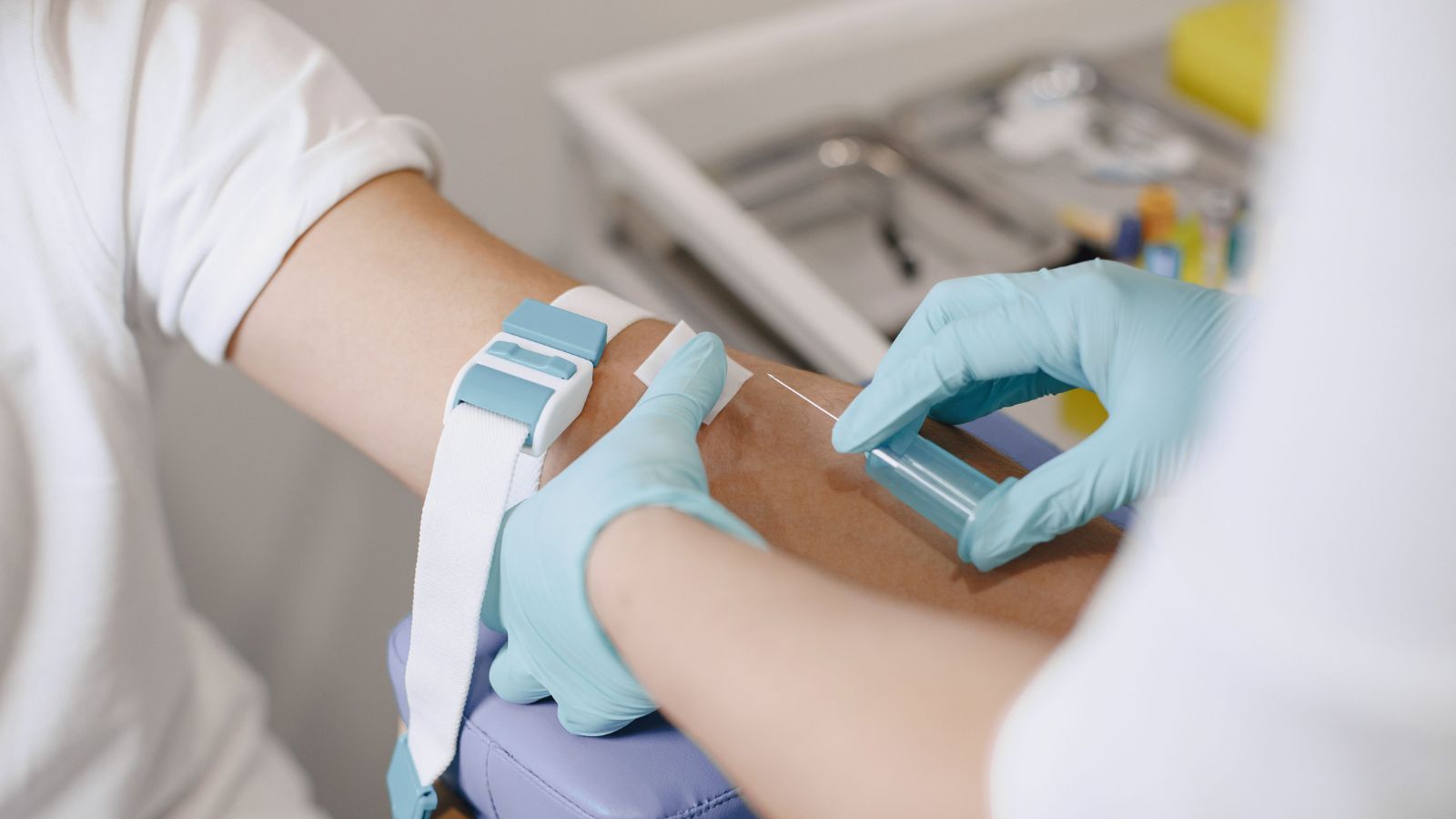
A borderline blood test result does not always mean illness; it may reflect a temporary change or normal variation.
The guidance covers blood sugar, cholesterol, thyroid levels, haemoglobin and vitamin B12.
Fasting glucose of 100–125 mg/dL or HbA1c of 5.7–6.4% indicates prediabetes and a higher future risk of diabetes.
Borderline LDL cholesterol or triglycerides may signal greater cardiovascular risk, especially alongside conditions such as diabetes or high blood pressure.
A mildly raised TSH may need monitoring or treatment depending on symptoms, age and circumstances, including plans to start a family.
Symptoms or a strong family history make follow-up more important, but results should be considered alongside age, medicines and previous tests.
A clinician may recommend repeating tests, further investigation or lifestyle changes; medicines and supplements should be used only when indicated.

Borderline blood test results can reflect early metabolic changes, temporary variation or normal biological fluctuations, and do not necessarily indicate disease.
Results near or just outside reference limits may still need attention if they persist or occur with symptoms or risk factors.
Dr Sfurti Mann says results should be considered alongside age, symptoms, medications, lifestyle, medical history and earlier test reports.
Depending on the result, repeating a test, further investigation or lifestyle changes may be sufficient.
- Who
- People with borderline blood test results, and the health practitioners interpreting them.
- What
- The article explains when borderline blood sugar, cholesterol, thyroid and other results may warrant attention.
- When
- The article was published on 5 November 2026.
- Where
- Not stated
- Why
- Some borderline results may signal early health changes or an underlying concern, while others reflect temporary or normal variation.
This story does not have two clearly opposing sides.
This story does not have a timeline yet.
- Prediabetes fasting glucose
- 100–125 mg/dL
- Prediabetes HbA1c
- 5.7–6.4%
- TSH monitoring
- 3–6 months for some elderly people
- Article publication
- 5 November 2026
What people are saying
Supplements or medications should be started only when clinically indicated.