

Health · Medical Research · 12 hrs ago
Urine test detected 95% of bladder cancer cases in an early study
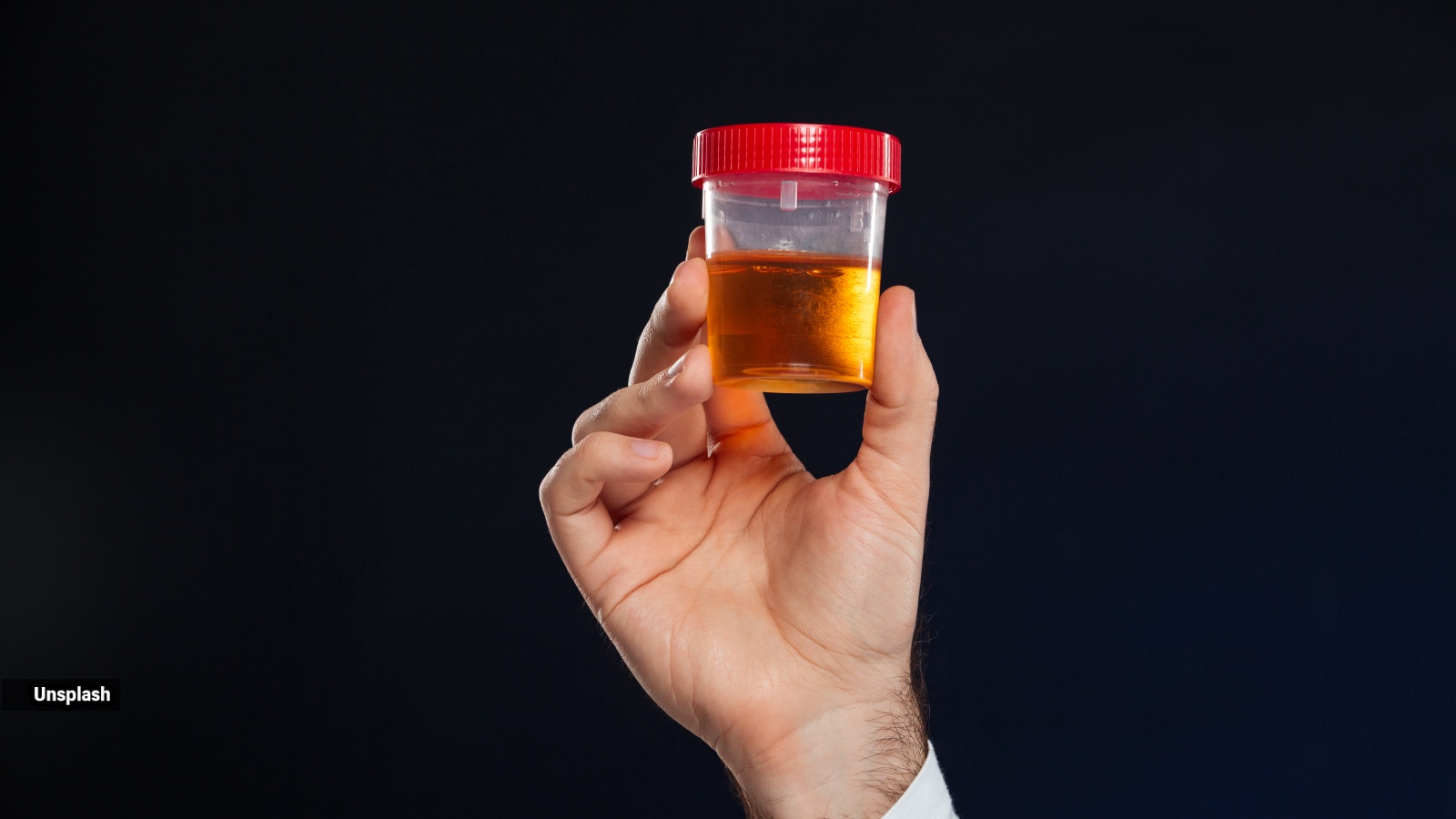
Researchers tested a urine test that analyses RNA to look for signs of bladder cancer.
In a proof-of-concept study, it detected 95% of cases among the samples studied, including some early-stage cancers.
The study examined samples from 515 cancer patients and healthy people.
The test looks for RNA, which can reveal information about cell activity, rather than mainly searching for tumour DNA in blood.
Because urine comes into direct contact with the bladder, it may carry clues released by cancer cells.
The test may also help show tumour type and recurrence risk, but 95% sensitivity does not mean it is 95% accurate overall or show how often it could incorrectly flag cancer.
The method is not ready for routine clinical use; researchers say it needs testing in larger and more diverse groups.
They are also exploring whether it could help detect kidney and prostate cancers.

A proof-of-concept study found that a urine test detected 95% of bladder cancer cases among the samples studied.
The test analyses cell-free RNA molecules in urine, which can carry information about cell activity.
Researchers analysed samples from 515 cancer patients and healthy individuals.
The study also reported detection of early-stage disease, but the test is not available for routine clinical use.
Researchers say the findings need validation in larger and more diverse patient populations.
- Who
- Researchers studying a urine-based test for bladder cancer.
- What
- The test detected 95% of bladder cancer cases among the samples studied, including cases at an early stage.
- When
- The study was published on October 2, 2026.
- Where
- The study appeared in Nature Medicine. The study location is not stated.
- Why
- Researchers are exploring whether urine RNA can help identify bladder cancer and potentially provide information about tumour type and recurrence risk.
This story does not have two clearly opposing sides.
The proof-of-concept study was published in Nature Medicine.
Indian Express published an article explaining the study and its implications for patients.
- Detection rate
- 95% of bladder cancer cases in the samples studied
- Sample size
- 515 cancer patients and healthy individuals
- Test material
- Cell-free RNA molecules in urine
- Study publication
- Nature Medicine, October 2, 2026
- Clinical status
- Not available for routine clinical use
What people are saying
The test works by analysing cell-free RNA molecules present in urine. These RNA molecules carry information released by cancer cells and can help identify changes associated with bladder cancer.
A sensitivity of 95 per cent is an encouraging finding, as it suggests that the test was able to identify most bladder cancer cases among the participants studied,
Its ability to detect early-stage disease is particularly important because early diagnosis can improve treatment outcomes and provide patients with more options,