

Science & Tech · Science & Environment · 6 hrs ago
Endurance Energy generates electricity from an underwater volcano
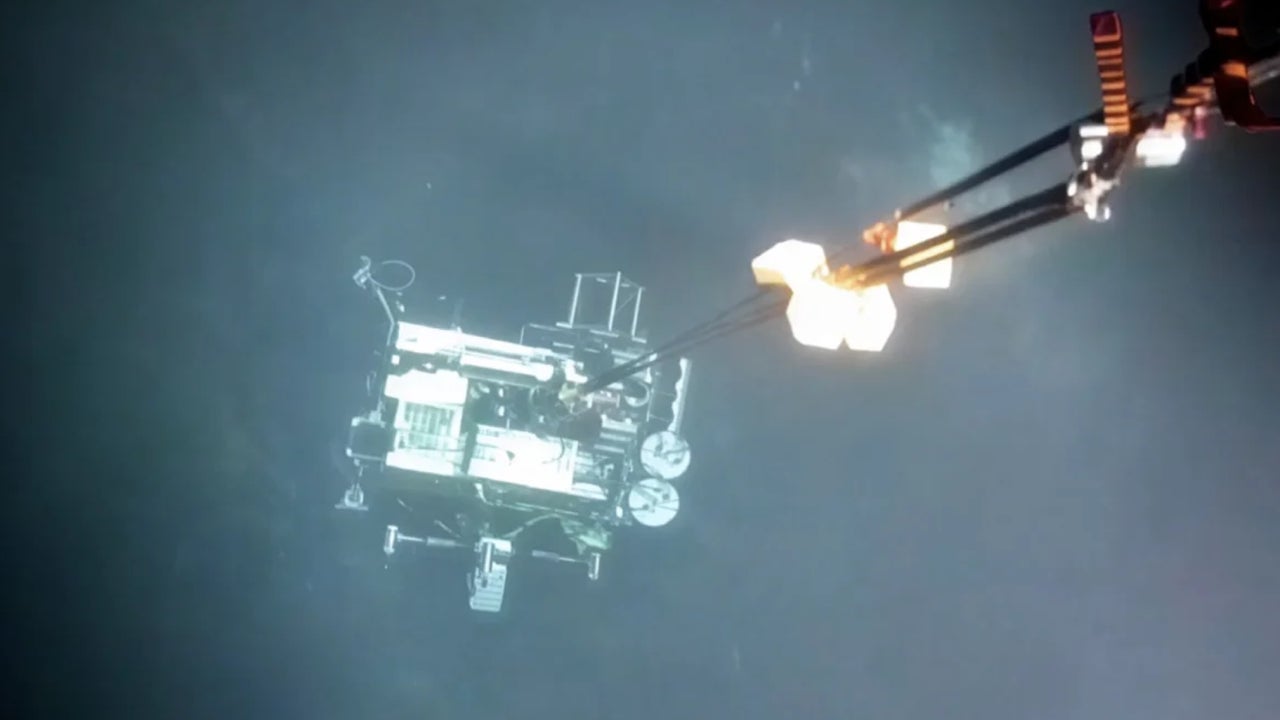
Endurance Energy generated electricity from an underwater volcano using its Adélie test plant.
The test took place at Axial Seamount in the Pacific, about 480 kilometres off Oregon and 1,500 metres below the surface.
The active volcano heats water underground, and the plant used that heat to turn a turbine and make electricity.
For 8.7 seconds, the plant produced more power than it needed to run, with a median net output of about 2 kilowatts.
The test ended after an electrical protection system stopped the plant, and a cable failed during an attempted restart.
The trial showed that deep-sea geothermal power can work, but the harsh conditions and distance from customers may make it costly.
Endurance plans to test an improved plant this winter and says its first project in Tonga is expected to provide electricity in 2027.

Endurance Energy says its Adélie test plant generated more electricity than it used for 8.7 seconds using heat from the Axial Seamount underwater volcano.
The test took place on September 27, 2026, about 1,500 metres below the Pacific Ocean.
The three-tonne plant was remotely controlled from Seattle through an underwater fibre-optic network.
A nearby hydrothermal source supplied fluid at about 281°C after the drilled well produced too little flow to power the plant.
The test ended after a battery protection system stopped it, and a cable to the coolant pump failed during an attempted restart.
- Who
- Endurance Energy, a US company based in Seattle, tested the Adélie plant.
- What
- The plant generated more electricity than it used for 8.7 seconds using heat from a hydrothermal source.
- When
- September 27, 2026.
- Where
- Axial Seamount in the Pacific Ocean, about 480 kilometres off the Oregon coast and roughly 1,500 metres underwater.
- Why
- The test aimed to demonstrate the process of generating electricity from underwater geothermal heat and inform development of a future system.
Endurance Energy
Emily Pope, Center for Climate and Energy Solutions
Commercial potential
Endurance Energy
Endurance Energy is developing a future system to supply electricity, including a project in Tonga that the company expects to provide power in 2027.
Emily Pope, Center for Climate and Energy Solutions
Pope said the approach could be difficult to make financially viable because of the costs of operating in a hostile, salty environment and the distance from customers.
Alternative energy
Endurance Energy
The company is pursuing underwater geothermal power as a potential energy source.
Emily Pope, Center for Climate and Energy Solutions
Pope said remote islands could choose solar power and batteries instead.
Endurance Energy carried out a three-week campaign at Axial Seamount.
Adélie generated more electricity than it used for 8.7 seconds, according to the company.
A battery protection system stopped the plant, and a cable to the coolant pump failed during an attempted restart.
- Plant
- Adélie, a three-tonne experimental system
- Location
- Axial Seamount, about 480 kilometres off the Oregon coast
- Depth
- About 1,500 metres
- Hydrothermal fluid
- About 281°C at the natural source used to power the plant
- Positive power balance
- 8.7 seconds
- Output
- About 2 kilowatts median net power; maximum of 16.5 kilowatts
3 sources
Han conseguido producir electricidad utilizando un volcán submarino a 1.500 metros de profundidad. El experimento duró apenas 8,7 segundos, pero abre una puerta inesperada
Una startup de Oregon logra generar electricidad con un volcán submarino
La startup Endurance Energy genera por primera vez electricidad con el calor del fondo marino: su central submarina Adelie produjo 2 kW en una prueba
What people are saying
First make it exist, then make it good.
It adds a huge amount of technological challenge without there being really significant demand.