

Politics · Indonesia · 3 hrs ago
Indonesia’s religious affairs minister says crypto rulings could change
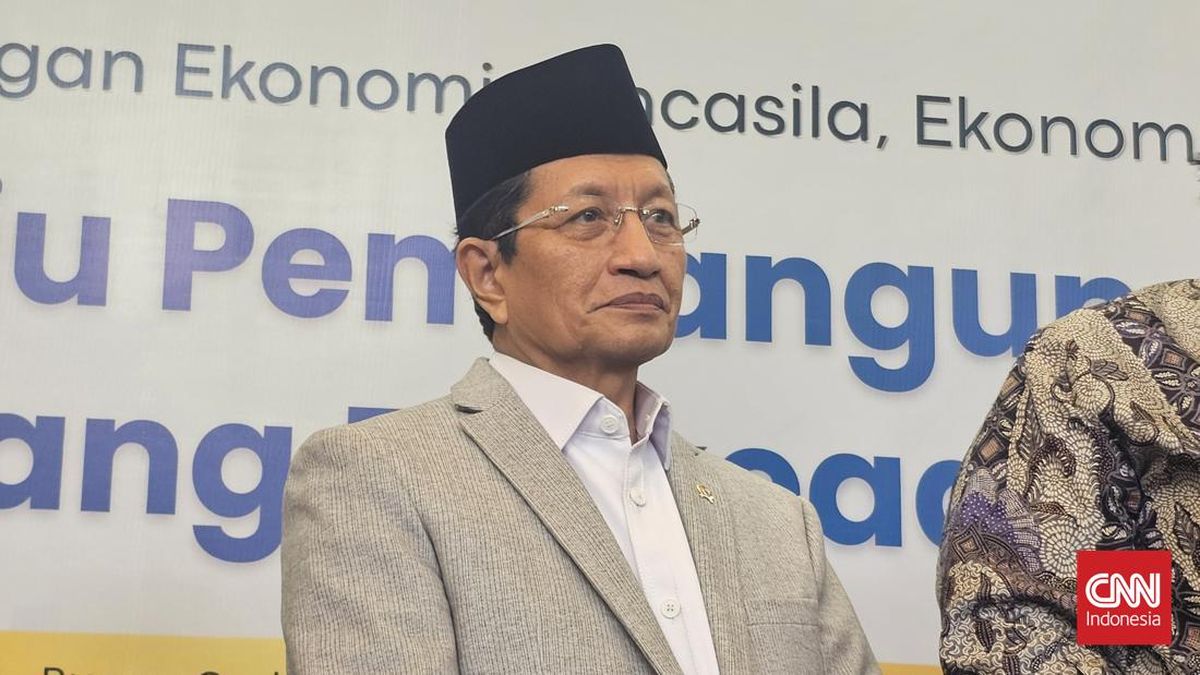
Indonesia’s Religious Affairs Minister Nasaruddin Umar says rulings on crypto can change as trading conditions develop.
The Indonesian Ulama Council ruled in 2021 that cryptocurrency as money was forbidden because of uncertainty and potential harm.
Umar says the ruling depends on objective conditions, including whether those concerns remain.
Crypto assets traded as commodities may be allowed if they meet requirements for clear value and benefit.
Umar says government and religious scholars should oversee crypto trading together, while the council retains authority to issue fatwas.
He also describes crypto as a high-risk investment and urges people to be cautious.
The next step depends on whether concerns about uncertainty and risk are addressed; Umar did not announce a new ruling.

Indonesia’s religious affairs minister, Nasaruddin Umar, said rulings on crypto could change as conditions and certainty in digital-asset trading evolve.
He said crypto could be considered permissible if uncertainty, known as gharar, is addressed, and could also lose that status if new concerns arise.
Indonesia’s 2021 Ijtima Ulama VII decision ruled cryptocurrency impermissible because it involved gharar and risk, he said.
Umar said crypto may be traded as a commodity only if it meets requirements for clear goods and benefits.
He urged caution, describing crypto as a high-risk investment, and said the Indonesian Ulema Council has authority to issue religious rulings.
- Who
- Religious Affairs Minister Nasaruddin Umar discussed crypto rulings.
- What
- He said crypto rulings could change as trading conditions and uncertainty change.
- When
- Thursday, October 15, 2026.
- Where
- At the Directorate General of Taxes office in Jakarta.
- Why
- Religious assessments should reflect objective conditions, including uncertainty and risk in crypto transactions.
This story does not have two clearly opposing sides.
The Ijtima Ulama VII decision declared cryptocurrency impermissible because it contained gharar and dharar, Umar said.
Umar said crypto rulings could change as conditions and certainty in digital-asset trading evolve.
- Minister
- Nasaruddin Umar
- Location
- Directorate General of Taxes office, Jakarta
- Earlier ruling
- 2021 Ijtima Ulama VII decision declared cryptocurrency impermissible
- Reasons cited
- Gharar (uncertainty) and dharar (harm or risk)
- Commodity trading condition
- Must meet sil'ah requirements for a clear basis and benefit
What people are saying
It may be that today it is haram, but tomorrow, if everything is clear and there are no more problems, it could become halal.
It could also be the other way around: today it is halal, but then tomorrow a finding brings gharar. So halal and haram are determined by objectivity.
As a crypto asset, we must be careful.
As a commodity, a commodity can only be traded if it meets the requirements of sil'ah. Sil'ah means goods that can be traded with a clear basis and benefit.