

Business · Energy & Commodities · 2 hrs ago
Oil prices fall as investors weigh supply risks and sanctions relief
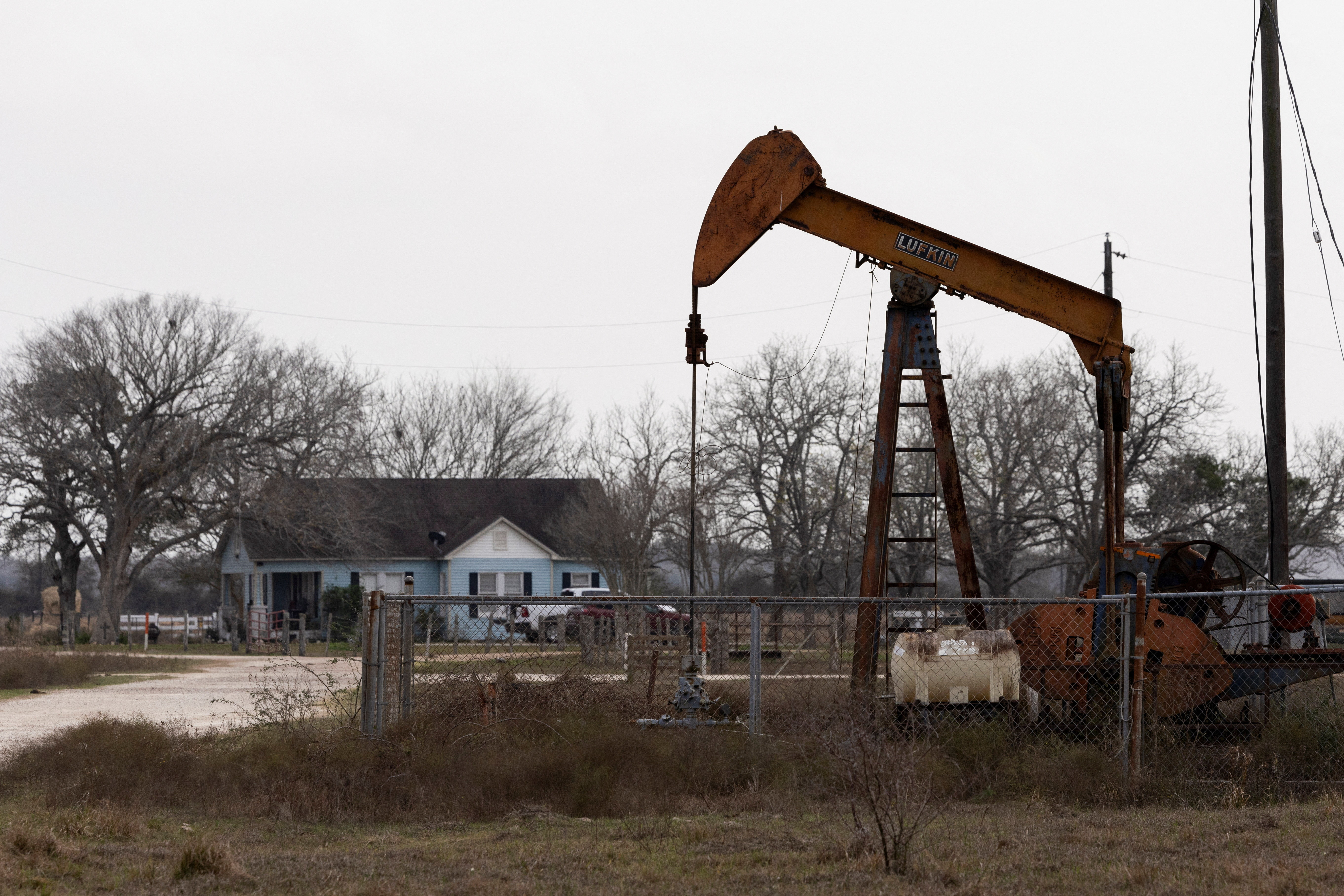
Oil prices fell by more than 1% on Thursday as investors weighed supply risks against efforts to lower shipping costs.
Attacks on ships near the Strait of Hormuz, a key oil shipping route, have increased over the past 10 days amid the Iran war.
Two vessels sank near the strait after separate projectile strikes, maritime officials said.
The conflict has disrupted shipping and pushed freight costs to record highs, while oil continues to reach buyers through alternative routes.
The U.S. is considering easing sanctions on some oil-carrying vessels to help reduce prices.
Higher output and exports from Russia and Gulf producers have also helped limit price rises.
U.S. crude inventories fell sharply last week, but prices barely moved, and official inventory figures were due later on Thursday.

Oil prices fell by more than 1% on Thursday as investors weighed risks to supply against possible U.S. sanctions relief for oil-shipping vessels.
Brent crude futures fell $1.64, or 1.6%, to $104.42 a barrel by 0337 GMT.
U.S. West Texas Intermediate crude futures fell 98 cents, or 1%, to $94.11.
Attacks on shipping near the Strait of Hormuz have increased, while the Trump administration is considering easing sanctions on some vessels to reduce shipping costs.
Higher oil output and exports from Russia and West Asia have helped limit prices.
- Who
- Investors weighed supply risks and possible U.S. sanctions relief.
- What
- Oil prices fell by more than 1%.
- When
- Thursday, October 15, 2026; prices were reported at 0337 GMT.
- Where
- Global oil markets; shipping attacks were reported near the Strait of Hormuz.
- Why
- Investors weighed risks to supply from attacks against possible U.S. action to ease shipping costs, alongside increased output and exports.
This story does not have two clearly opposing sides.
The U.S. Energy Information Administration's inventory figures were delayed by a day following the Columbus Day holiday.
Maritime officials reported that a container ship and a dry bulk carrier had sunk near the Strait of Hormuz after separate projectile strikes.
A U.S. official said the Trump administration was considering easing sanctions on some shadow-fleet vessels to help ease prices.
Brent and WTI futures fell by 1.6% and 1%, respectively, by 0337 GMT.
- Brent crude
- $104.42 a barrel, down $1.64 or 1.6% by 0337 GMT
- WTI crude
- $94.11 a barrel, down 98 cents or 1% by 0337 GMT
- Russian crude output
- 8.43 million barrels per day in September, up 65,000 barrels per day from August
- West Asia Gulf exports
- Rose by 4.4 million barrels per day in September to around 75% of prewar levels
- U.S. crude inventories
- Fell by 11.1 million barrels in the week ending October 9
3 sources
What people are saying
While there is little concrete evidence of a near-term peace deal, oil continues to find its way to buyers through alternative routes and logistical arrangements
These workarounds have helped prevent a more severe supply shock, although they come at a higher cost and leave global flows vulnerable to further disruption.
Despite the sharp inventory draw, oil prices barely reacted. The failure to rise on bullish news suggests investors are cautious about chasing prices higher at current levels.