

Science & Tech · Science & Environment · 18 hrs ago
Study warns permanent daylight saving time could endanger schoolchildren
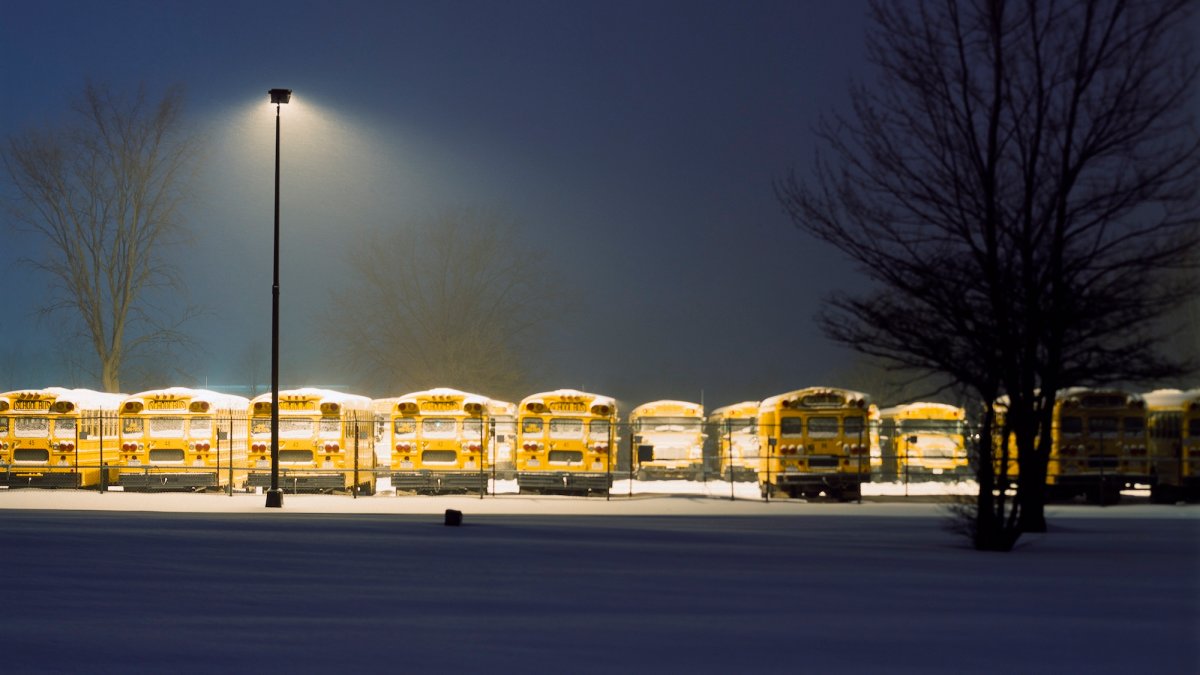
The US is due to turn clocks back this weekend, but a bill would keep daylight saving time in place all year.
Researchers warn permanent daylight saving time could put children at risk on their way to school.
A University of Washington team studied school start times in 14 states and estimated the change would create more than 2 billion dark school commutes nationally each year.
Later winter sunrises would leave more children traveling before daylight without changing school schedules.
The researchers also found that fatal crashes involving school-aged pedestrians are roughly twice as likely in darkness as after sunrise.
The risks may be greater for early-start students and western time zones, where the sun rises later by the clock.
The House passed a bill for permanent daylight saving time, but it is stalled in the Senate; the study says permanent standard time would reduce dark school mornings instead.

A University of Washington study warns that permanent daylight saving time could expose schoolchildren to more dark morning commutes and increase safety risks.
The researchers estimate that a nationwide shift would add more than 2 billion school commutes before sunrise each year.
Their analysis found fatal crashes involving school-aged pedestrians are roughly twice as likely in darkness as after sunrise.
The impact could be greatest for high school students, children in areas with later sunrises, and those who walk or wait for buses.
The US House passed a bill to make daylight saving time permanent, but it has stalled in the Senate.
- Who
- University of Washington researchers studied the potential effects on schoolchildren.
- What
- The study estimates that permanent daylight saving time would add more than 2 billion dark school commutes annually nationwide.
- When
- The study was published on October 29, 2026. Daylight saving time was due to end on November 1.
- Where
- The analysis covered schools in 14 US states and also estimated nationwide effects.
- Why
- Researchers examined whether permanent daylight saving time could increase safety risks for children traveling to school.
Supporters of permanent daylight saving time
Advocates of permanent standard time
Daylight and clocks
Supporters of permanent daylight saving time
Supporters say a permanent shift would avoid twice-yearly clock changes and provide more evening daylight year-round.
Advocates of permanent standard time
Advocates say permanent standard time would keep more daylight in the morning and better align with children’s biological clocks.
Policy choice
Supporters of permanent daylight saving time
The US House passed a bill proposing permanent daylight saving time.
Advocates of permanent standard time
The study’s authors and other standard-time advocates say a permanent standard-time policy would be preferable.
The US House passed the Sunshine Protection Act, which proposes making daylight saving time permanent nationwide.
The University of Washington study was published in the journal Current Biology.
Daylight saving time was due to end in the United States, with clocks set to fall back one hour.
- Study team
- University of Washington researchers
- Schools analyzed
- More than 16,000 schools in 14 US states
- Children represented
- Approximately 8.6 million
- Estimated added dark commutes
- More than 2 billion annually nationwide under permanent daylight saving time
- Fatal pedestrian crashes
- Roughly twice as likely in darkness as after sunrise for school-aged pedestrians
- Bill status
- Passed by the US House; stalled in the Senate
5 sources
Time to set back the clocks, much to Trump’s chagrin
Trump keeps push to keep Daylight Saving Time. It might be dangerous for kids, research reveals
Is permanent daylight savings time or standard time better? What to know
Why year-round Daylight Saving Time could make school mornings deadly for kids
Permanent Daylight Saving Time is dangerous for kids, new research says
What people are saying
Permanent DST would move the school day earlier relative to the sun without changing a single bell schedule, putting millions of children on streets and at bus stops in the dark for weeks or months every year.
The burden of permanent DST is likely greatest for children who walk, wait for buses, or arrive early for school breakfast programs, which disproportionately serve lower-income families.
When you want to change to permanent time, it should be permanent standard time.
At the end of the day, I think this is not just a question of preference. This is really a question of public health that we should consider the well-being of all Canadians.