

Health · Public Health & Disease · 3 hrs ago
New malaria-carrying mosquito spreads in Kenya and may reach cities
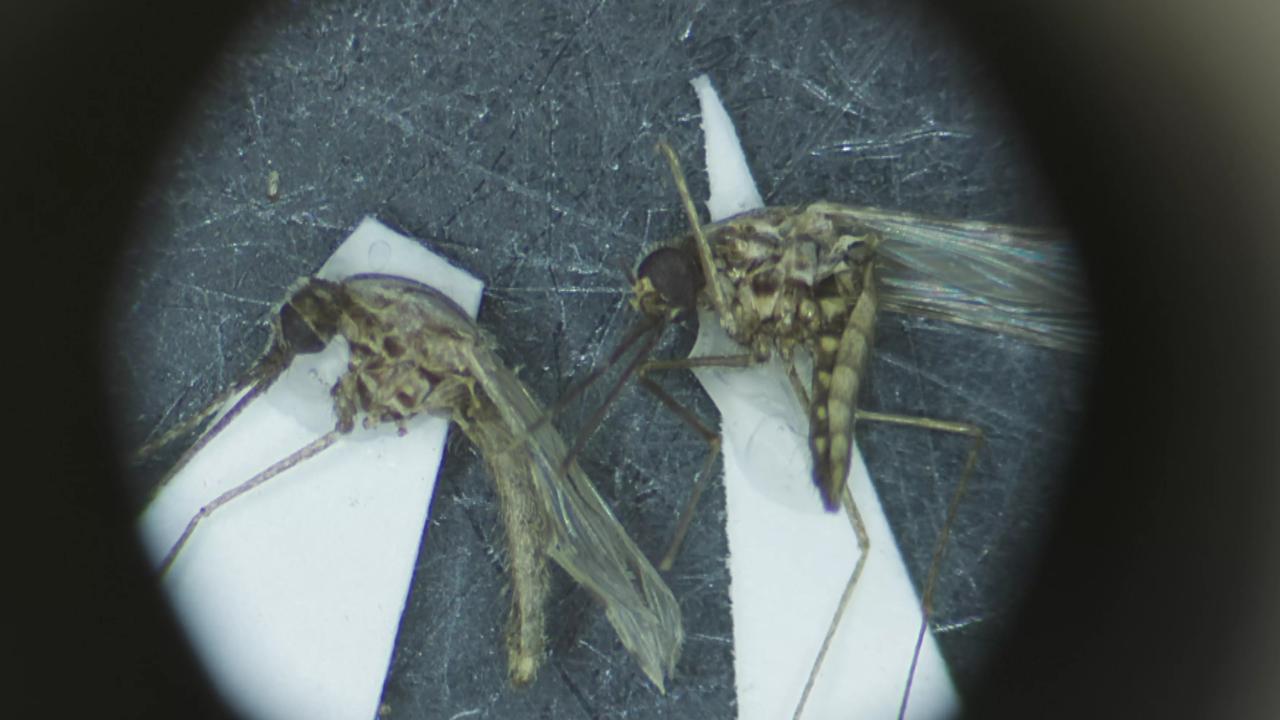
An invasive mosquito from Asia has spread across Kenya, raising concern that malaria could increasingly affect cities.
The species, Anopheles stephensi, can breed in small pools of water and open tanks, unlike mosquitoes that mainly use rural breeding sites.
Kenya's malaria research centre has found it at 40 of 60 monitored locations in the country.
Researchers fear the mosquito could spread malaria in cities, where people live close together and mosquitoes can bite more often.
The existing malaria vaccine protects against only the parasite most common in Africa, and the new mosquito may carry other types.
Funding cuts to US development aid have reduced money for malaria research and control, while removing breeding sites could help limit the mosquito's spread.
Mosquitoes can travel with people and cargo; three people died from malaria in Frankfurt last summer after bites from mosquitoes that arrived on a plane, though they were not this new species, and researchers say Europe has no plan for it.

An invasive malaria-carrying mosquito has been found at 40 of 60 monitored sites in Kenya, raising concerns it could spread malaria into cities.
The Anopheles stephensi mosquito arrived from Asia more than a decade ago and can breed in artificial water sources common in urban areas.
Researchers warn that the existing malaria vaccine does not protect against every parasite the mosquito may carry.
The mosquito’s spread is difficult to control, while cuts to aid have reduced funding for malaria research and control.
Malaria-carrying mosquitoes can travel with people and vehicles, and the article reports malaria deaths in Germany last summer from a different mosquito species.
- Who
- The Anopheles stephensi mosquito is spreading in Kenya. Researchers, including Eric Ochomo, are monitoring its spread.
- What
- The mosquito could bring malaria into cities and may carry different malaria parasites. The existing vaccine does not protect against all of them.
- When
- It arrived from Asia more than a decade ago. It has been found at 40 of 60 monitored sites in Kenya.
- Where
- Kenya, including sites monitored by the malaria research centre in Kisumu.
- Why
- It can breed in artificial water sources and is less selective about breeding sites than mosquito species already found in Africa.
This story does not have two clearly opposing sides.
Anopheles stephensi arrived in Africa from Asia.
African countries began using the existing malaria vaccine.
The article says the US government cut 90 percent of its foreign aid, reducing funds available for malaria research.
At least three people in Frankfurt died of malaria after being bitten by mosquitoes that had travelled on an airplane; the article says they were not Anopheles stephensi.
- Mosquito species
- Anopheles stephensi
- Kenya monitoring
- Found at 40 of 60 monitored sites
- Origin
- Arrived from Asia more than ten years ago
- Vaccine rollout
- African countries began using the existing malaria vaccine in 2024
- Aid cuts
- The article says the US government cut 90 percent of its foreign aid in 2025
What people are saying
Malaria mainly occurred in rural areas and this mosquito is likely to bring malaria to the cities.
If we do not tackle malaria in Africa, it will soon no longer be only a disease of the poor, but malaria cases in large cities worldwide will increase.
The stephensi mosquito could also come to Europe and we have no plan for it.