

World · Middle East · 13 hrs ago
Turkish farmers switch crops as drought and costs squeeze cotton
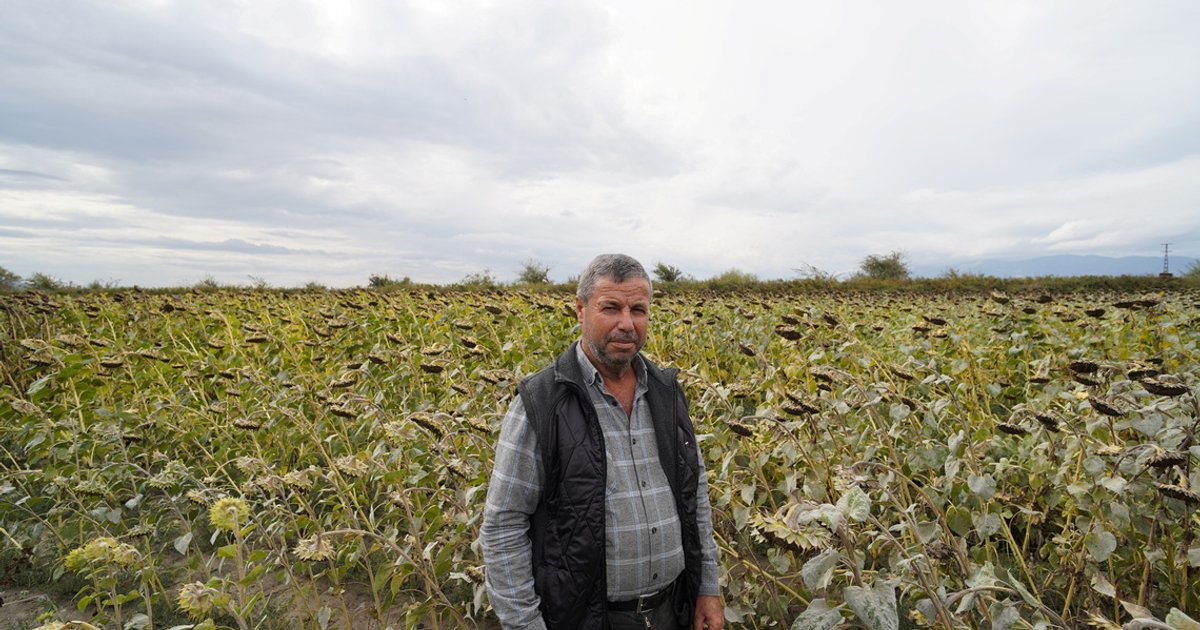
In western Turkey, farmer Mehmet Kabak is replacing some cotton with wheat and sunflower, which need less water and cost less to grow.
Farmers are switching crops to cope with drought and rising costs as irrigation becomes harder to afford.
Turkey’s agriculture sector uses 79% of the country’s water, and nearly half is lost through inefficient infrastructure and irrigation, the government says.
Turkey’s cotton output is expected to fall 38% in 2026, while farmers in the Soke region have reduced cotton acreage by about 60%.
The country endured its worst drought in more than 50 years last year, and analysts say the recent recovery in dam levels may not last.
Farmers say they need technical help and access to finance, but investing in irrigation can be risky, especially for those who rent their land.
Turkey has budgeted more for irrigation investment, and some banks offer loans for water-saving systems.
COP31 climate talks begin in Antalya on Monday, while the Agriculture Ministry says further support, including from private companies, will also be needed.

Mehmet Kabak is switching from cotton to wheat and sunflower on his farm in western Turkey as drought and rising costs make cotton harder to grow.
Farmers in the Soke region cut cotton acreage by around 60% in 2026, according to a local farming group.
Turkey’s seed cotton output is expected to fall 38% year on year to 1.2 million metric tons in 2026.
The country’s agriculture sector consumes 79% of its water, and last year Turkey experienced its worst drought in more than 50 years.
Turkey has earmarked 174 billion lira for agricultural irrigation investments in next year’s budget, while officials say further support is needed.
- Who
- Farmer Mehmet Kabak and other farmers in Turkey.
- What
- Kabak is planting wheat and sunflower instead of cotton as drought and rising costs squeeze farming.
- When
- In 2026. The article was published on November 9, 2026.
- Where
- Soke, in western Turkey.
- Why
- Wheat and sunflower require less water, making them cheaper to grow. Drought and rising fuel, fertiliser and irrigation costs have also hurt cotton farming.
This story does not have two clearly opposing sides.
Turkey suffered its worst drought in over 50 years, with rainfall 27% below the long-term average.
Turkey set aside 174 billion lira for agricultural irrigation investments in next year’s budget.
Farmers in the Soke region reduced cotton acreage by around 60%, to around 120,000 decares, according to a local farming group.
The article reported that Kabak was planting wheat and sunflower instead of cotton.
- Kabak’s farm
- 900 decares, about 220 acres
- Soke cotton acreage
- Around 120,000 decares in 2026, down around 60%
- Turkey seed cotton output
- Expected to fall 38% year on year to 1.2 million metric tons in 2026
- Agriculture’s share of Turkey’s water use
- 79%
- Irrigation investment budget
- 174 billion lira for next year’s budget
What people are saying
We had increases in irrigation costs even though our harvest is damaged.
Adaptation is no longer optional for farmers, but it is expensive, and today they largely pay for it themselves.