Health · Mental Health · 1 day ago
Loneliness and social isolation linked to fewer healthy years

Researchers at Tulane University studied 277,489 adults aged 40 to 69 in the United States.
They found that loneliness and social isolation were linked to fewer years free from several major diseases.
Social isolation means having few social connections, while loneliness means feeling dissatisfied with the quality of your relationships.
For people experiencing both, the estimated loss of years free from mental disorders was about 3.7 years for women and 5.8 years for men, using age 50 as a reference.
The estimated losses in years free from physical disease were smaller: 2.4 years for women and 1.7 years for men.
Healthier habits were linked to a smaller health impact from social isolation, but did not significantly reduce the risks associated with loneliness.
The study was observational, and researchers plan to study other groups and use clinical trials to investigate whether loneliness and isolation directly cause these effects.

A study found that loneliness and social isolation were associated with nearly six fewer years of life free from mental disorders.
The effects on physical disease-free years were smaller but significant.
Researchers analyzed data from 277,489 adults aged 40 to 69 who had none of seven major chronic conditions at the study’s start.
Healthier habits reduced the association between social isolation and lost disease-free years, but did not significantly reduce the risks linked to loneliness.
The researchers said further studies and clinical trials are needed to investigate whether loneliness and social isolation directly cause the observed effects.
- Who
- Researchers at Tulane University's Celia Scott Weatherhead School of Public and Tropical Medicine. Lead author Lu Qi is a professor at the school.
- What
- An observational study found that loneliness and social isolation were associated with fewer years of life free from mental and physical diseases.
- When
- The article was published on October 10, 2026. The study’s publication date is not stated.
- Where
- The study analyzed data from adults in the United States.
- Why
- The researchers aimed to estimate how many years of good health were associated with loneliness and social isolation.
This story does not have two clearly opposing sides.
Overall, the study found that social isolation and loneliness can have a significant impact on disease-free life expectancy
This includes both physical and mental disease.
Our research found men are more susceptible to being affected by loneliness.
A report found that about half of U.S. adults experienced loneliness, while nearly as many were socially isolated.
ScienceDaily published an account of the study’s findings.
- Participants
- 277,489 adults aged 40 to 69
- Study conditions
- Participants had none of seven major chronic conditions at the start
- Women with both
- 2.4 fewer years free from physical disease and about 3.7 fewer years free from mental disorders
- Men with both
- 1.7 fewer years free from physical disease and approximately 5.8 fewer years free from mental disorders
- Research journal
- Nature Communications
Sources
Related news

UNICEF Korea and Tomorrow X Together launch youth mental health chatbot

Gifted education expert warns Brazil’s new student register could exclude some children

Study links cannabis-related anxiety in mice to central amygdala neurons
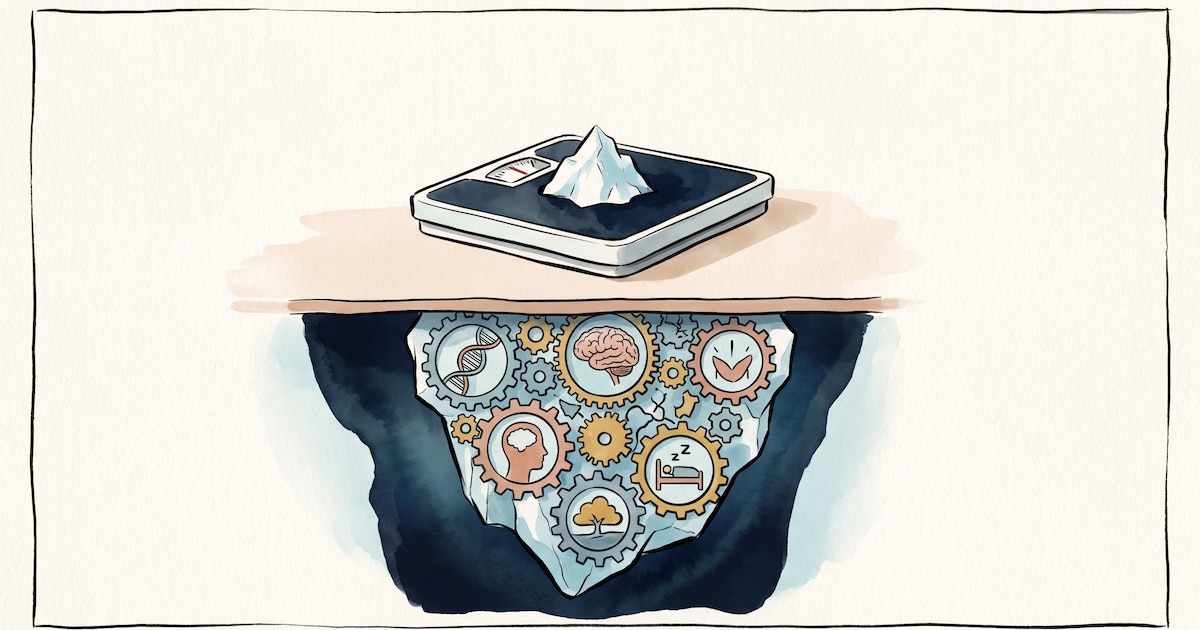
Psychological support can improve weight-loss treatment

Interest in Wellness Rooms Grows as Research Examines Nature and Health

Why “I’m Sorry You Feel This Way” Can Sound Like a Non-Apology

Ambition Can Help People Succeed but May Also Undermine Trust

Couples urged to consider consensual masturbation as a shared sexual option

Fathers’ Regret Can Reflect What They Lost in Themselves
Psychotherapist links anxiety, anger and creativity

Mother’s work commitment clashes with urgent care for her daughter