

Science & Tech · Science & Environment · 5 hrs ago
Texas A&M to build AI-run lab for developing metal alloys
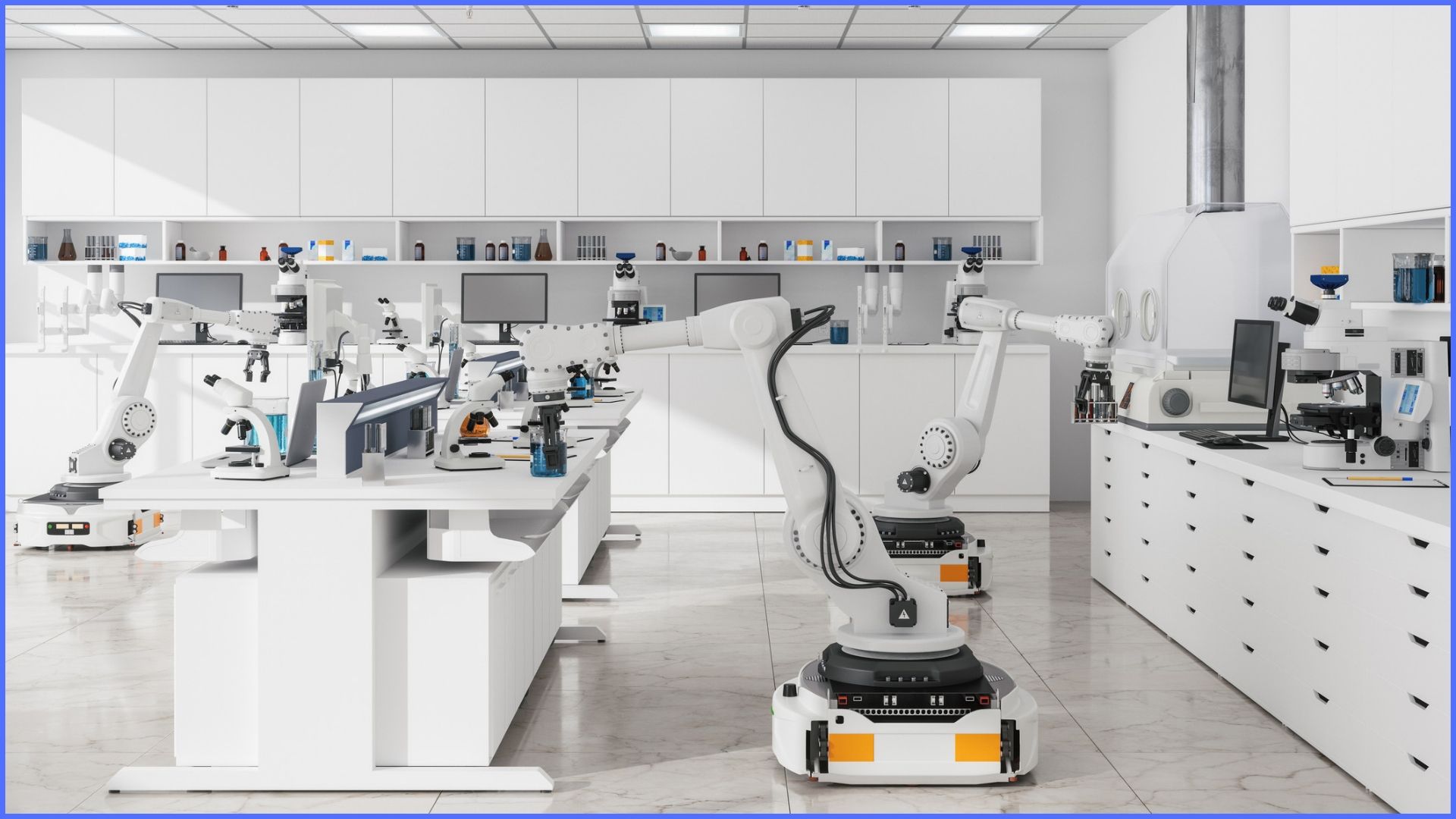
Texas A&M University plans to build an AI-run materials lab with a $2 million grant.
The lab, called the Aggie AI Foundry, will use robotic arms to mix, melt and test metal alloys.
Researchers hope to shorten alloy development from months to a week or less by automating repeated experiments.
The AI will be trained using physical models, algorithms and scientists’ knowledge, then suggest materials for the robots to test.
The experiments will use real materials, because researchers say computers alone cannot predict how an alloy will behave.
The team hopes the system can explore far more combinations of elements than people can test by hand.
Researchers expect the lab to free students for more creative scientific work; the grant will fund its construction, and the AI training and experiments are planned for after it is set up.

Texas A&M University has received a $2 million grant to build an automated laboratory for discovering metal alloys.
Named the Aggie AI Foundry, the lab will use artificial intelligence and robots to mix, melt and test materials.
Researchers expect the system to shorten alloy development from months to a week or less.
The project’s founders say automation could free students and researchers from repetitive tasks and let them focus on more creative scientific work.
- Who
- Texas A&M University’s Department of Materials Science and Engineering, including materials scientists Raymundo Arróyave and Ibrahim Karaman.
- What
- The university will build the Aggie AI Foundry, an automated lab for developing and testing metal alloys.
- When
- Not stated.
- Where
- Texas A&M University in the United States.
- Why
- To speed up the discovery and development of metal alloys and reduce laborious work for researchers.
This story does not have two clearly opposing sides.
This story does not have a timeline yet.
- Grant
- $2 million
- Lab name
- Aggie AI Foundry
- Institution
- Texas A&M University
- Founders
- Raymundo Arróyave and Ibrahim Karaman
- Expected development time
- From months to a week or less
What people are saying
The computer can predict some behavior, but there’s no computational tool anywhere in the world that can predict how an alloy is going to behave.
While it’s natural to have questions about AI, it can help scientists explore possibilities and make discoveries at a scale we’ve never seen before.
But the process can still take a toll on humans.