Politics · Australia · 12 hrs ago
Australia debates unprecedented plan to drive net migration below zero
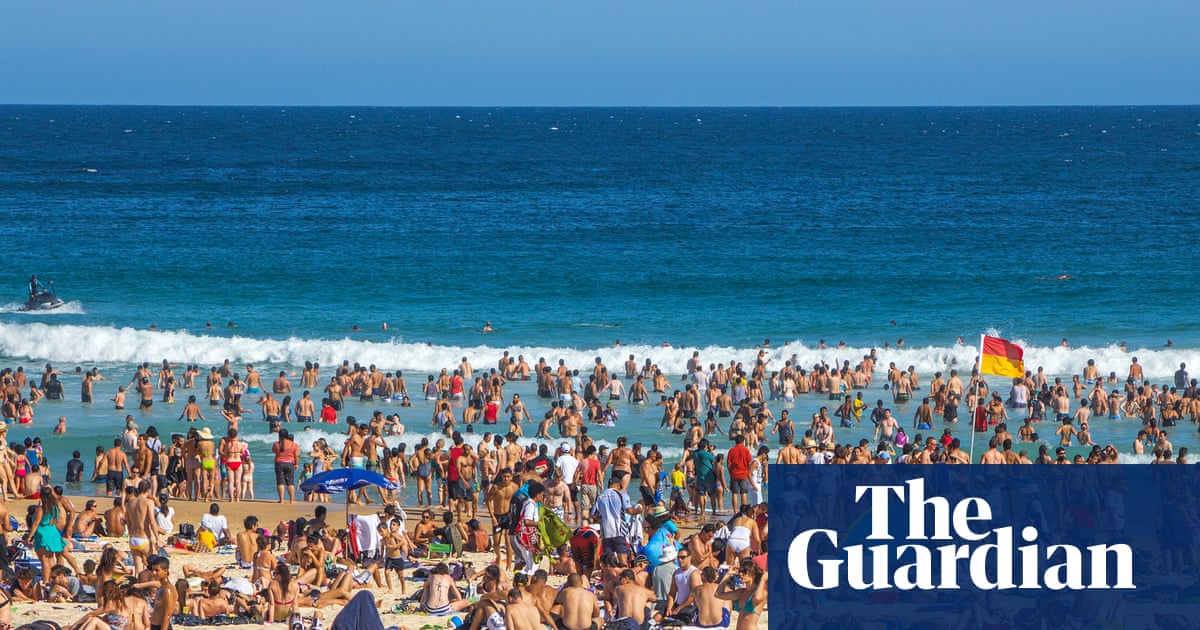
Pauline Hanson, leader of One Nation, says her party would try to make more people leave Australia than arrive for three years if it won government.
Australia has had periods of negative net migration during economic crises, wars and pandemics, but has never deliberately aimed for it.
One Nation says cutting temporary migrants by 766,000 over three years would reduce rental inflation and save the average renter $54 a week after three years.
Economist Peter Tulip says those housing forecasts are plausible, but warns that fewer overseas students could hurt university exports and government revenue.
Economist Mark Cully says negative net migration lasting three years or more could mean a prolonged economic slump.
The opposition Coalition has also promised to cut net migration, to 100,000 a year in its first term if elected, compared with a current high of 300,000 and the government’s target of 225,000.
Employers in areas including health and aged care and agriculture rely on temporary visa holders, making the effects of major cuts a concern.

Pauline Hanson’s One Nation says it would try to drive Australia’s net overseas migration below zero for three years if it wins government.
Australia has never deliberately pushed net migration into reverse, according to the Guardian.
One Nation says reducing temporary migrants by 766,000 over three years would lower rental inflation by 6.5% in total.
Economists warn that a sustained migration reversal could hurt exports and government revenue and worsen the economy.
The Coalition has separately pledged to cut net overseas migration to 100,000 a year in its first term if elected.
- Who
- One Nation leader Pauline Hanson is proposing the plan. The Coalition has also pledged a migration cut.
- What
- One Nation says it would seek negative net overseas migration for three years. The Coalition’s target is 100,000 a year.
- When
- Hanson’s plan would apply for three years if One Nation wins government. The Coalition target would apply in its first term.
- Where
- Australia.
- Why
- Hanson says the plan would lower housing costs. One Nation’s modelling says it would reduce rental inflation.
One Nation
Economists warning of economic costs
Housing costs
One Nation
One Nation says cutting temporary migration would reduce rental inflation and save renters money.
Economists warning of economic costs
They warn that the plan could bring wider economic costs.
Economic impact
One Nation
One Nation’s economic team forecasts lower rental inflation from cutting temporary migrants by 766,000 over three years.
Economists warning of economic costs
Peter Tulip warns of lower university exports and government revenue; Mark Cully says negative net migration for three or more years could mean a prolonged economic slump.
unprecedented
There would be a big hit to exports [from the university sector] and also be a big hit to government revenue. So, economically, we would be worse off,
If net overseas migration was to go negative for three or more years, I can’t see how it would mean anything other than a prolonged economic slump,
the biggest cut to immigration in the history
A depression and its aftermath pushed average annual net overseas migration below zero over the 15 years to 1906.
Net migration went into reverse during the Great Depression, when unemployment reached as high as 32% in 1932.
Governments cut the size of the migration program but did not try to push permanent migration to zero, Mark Cully says.
Hanson says One Nation would seek negative net overseas migration for three years; the Coalition has pledged a target of 100,000 a year in its first term.
- One Nation proposal
- Negative net overseas migration for three years
- Temporary migrants
- One Nation’s plan would cut their number by 766,000 over three years
- Rental inflation
- One Nation’s modelling forecasts a 6.5% total reduction
- Average renter saving
- $54 a week after three years, according to One Nation’s modelling
- Coalition target
- 100,000 net overseas migrants a year in its first term
- Current high net overseas migration
- 300,000
Sources
Related news

ABC union challenges possible discipline of senior journalist

Campaign seeks easier way to turn off social media algorithms
WA education minister and universities disagree over merger plan
Nearly 78,000 older Australians may drop private cover by 2030 under proposed cuts

Inquiry hears students shared beds with teachers at Sydney school

Former health minister’s adviser joins government-funded provider cohealth
Frydenberg says the Liberal Party must change under Taylor

Greens seek stronger digital safety laws, including right to sue tech firms

Available text contains no details on tax surcharge reversal
National Trust of South Australia CEO resigns as inquiry resumes

Australia delays ATO credit card payment ban until June 2027