

World · South & Central Asia · 3 hrs ago
Supreme Court to examine protections for freelance journalists
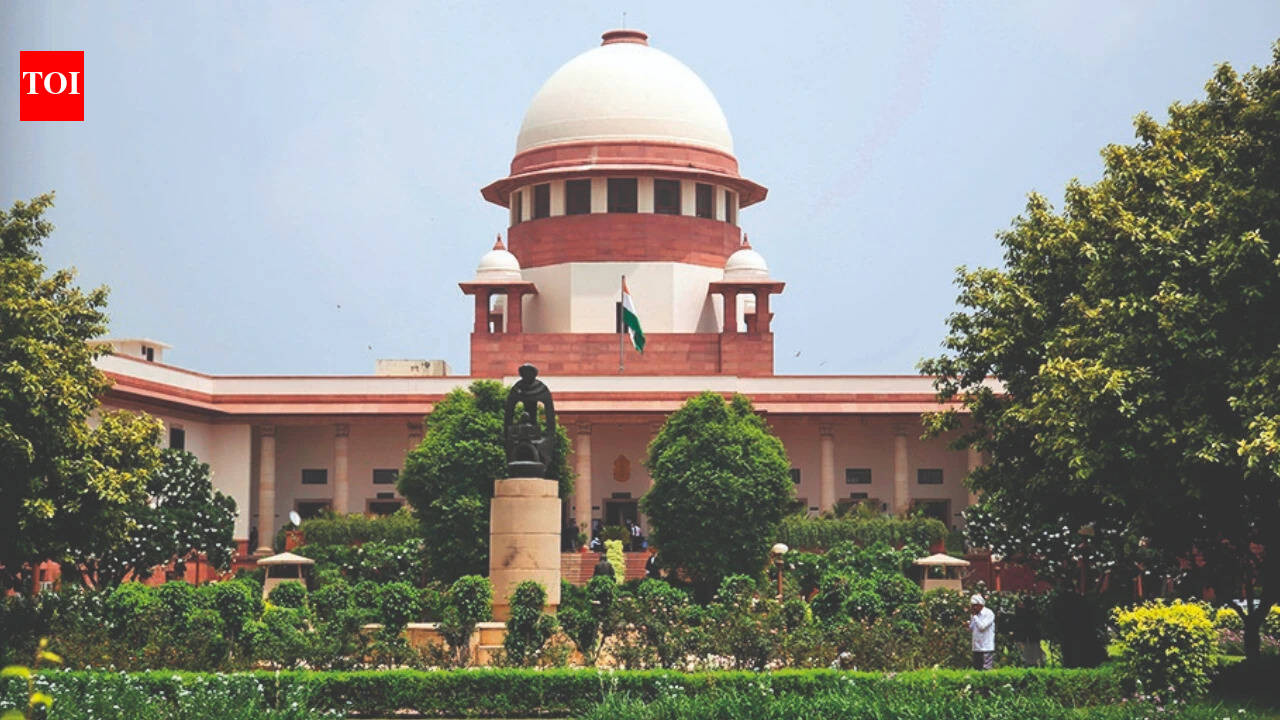
India's Supreme Court is examining protections for independent journalists after hearing public-interest petitions on their right to report.
The petitions seek protection for freelancers, independent journalists and people who make online videos at protests.
Advocate Indira Jaising told the court that Delhi Police required Press Information Bureau accreditation and did not recognise some independent reporters.
The judges said it needs to examine who qualifies as a journalist and whether some groups should receive extra protection.
The solicitor general warned that people with mobile phones could claim to be journalists while making sensational or one-sided videos for social media.
The court has not made a decision, and its further examination will consider different categories of journalists and existing legal protections.

The Supreme Court of India said it would examine whether freelance and independent journalists should receive additional protection.
The cases seek protection for freelancers, independent journalists and reel-makers covering protests.
Senior advocate Indira Jaising said Delhi Police required journalists to have Press Information Bureau accreditation.
Chief Justice Surya Kant cautioned that treating every citizen as a journalist could create problems.
The court said it would consider whether freedom of expression makes every citizen a journalist and whether some categories need extra protection.
- Who
- The Supreme Court, including Chief Justice Surya Kant and Justice Joymalya Bagchi, heard petitions seeking protections for independent journalists.
- What
- The court said it would examine whether freelance journalists and other groups should receive additional protection.
- When
- Thursday; the article was published on 2026-10-15.
- Where
- New Delhi, India.
- Why
- Petitions sought protection for journalists covering protests, after Indira Jaising said Delhi Police did not recognise independent and freelance journalists and insisted on Press Information Bureau accreditation.
Indira Jaising and petitioners seeking protections
Supreme Court justices and Solicitor General Tushar Mehta
Journalists’ access
Indira Jaising and petitioners seeking protections
Jaising said police should not obstruct journalists carrying an identity card from their employer.
Supreme Court justices and Solicitor General Tushar Mehta
The court said it needed to examine which categories of journalists should receive additional protection.
Who qualifies as a journalist
Indira Jaising and petitioners seeking protections
Jaising sought protections for independent and freelance journalists covering protests.
Supreme Court justices and Solicitor General Tushar Mehta
The court said it was difficult to determine whether freedom of expression empowers every citizen to be a journalist; Mehta said people using phones to make reels could claim to be journalists.
Indira Jaising told the bench that Delhi Police did not recognise independent and freelance journalists covering protests.
Chief Justice Surya Kant and Justice Joymalya Bagchi said the question of protections for different categories of journalists required detailed examination.
- Bench
- Chief Justice Surya Kant and Justice Joymalya Bagchi
- Petitions
- Protection sought for freelancers, independent journalists and reel-makers
- Police accreditation
- Jaising said Delhi Police insisted on Press Information Bureau accreditation
- Solicitor general
- Tushar Mehta
- Publication date
- 2026-10-15
What people are saying
If everyone starts becoming a journalist, it will create problems for every other person
It will require a detailed examination whether the right to freedom of expression will empower every citizen of this country to be a journalist.
there must be a national protocol for police not to obstruct the professional work of any journalist who has an identity card from the employer.