

World · South & Central Asia · 4 hrs ago
UN court to rule on Myanmar Rohingya genocide case on November 19
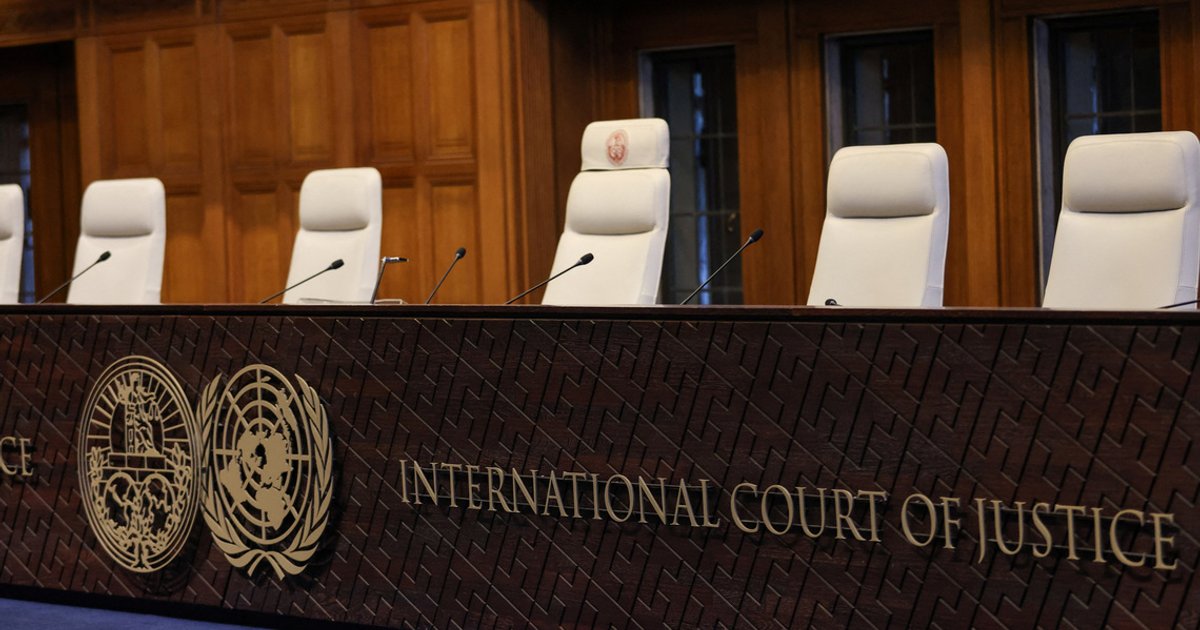
The International Court of Justice will rule on November 19 on whether Myanmar violated the Genocide Convention in its treatment of the Rohingya.
The case was brought by The Gambia against Myanmar and concerns the military’s 2017 offensive against the mostly Muslim minority.
The offensive forced at least 730,000 Rohingya to flee to Bangladesh, where more than one million Rohingya now live, according to the reports.
Refugees described killings, mass rape and arson, while a UN fact-finding commission said the offensive included genocidal acts.
Myanmar denies committing genocide, saying its campaign was a legitimate response to an insurgency.
The ICJ is the UN’s highest court and settles disputes between states; judges must decide whether the acts were committed with intent to destroy the group, in whole or in part.
The ruling is expected to shape future genocide cases, including South Africa’s case against Israel over Gaza, but the ICJ has no means to enforce its decisions.

The International Court of Justice will deliver its judgment on Myanmar’s alleged genocide against the Rohingya on November 19.
The case was brought by The Gambia, which says Myanmar’s 2017 military offensive breached the 1948 UN Genocide Convention.
Myanmar denies committing genocide and has described the offensive as a legitimate counter-terrorism campaign.
The crackdown forced hundreds of thousands of Rohingya to flee to Bangladesh, where more than one million still live.
The ruling could influence future genocide cases at the ICJ, including South Africa’s case against Israel over Gaza.
- Who
- The International Court of Justice will rule in a case brought by The Gambia against Myanmar.
- What
- The court will decide whether Myanmar’s actions against the Rohingya constituted genocide.
- When
- November 19, 2026. Judges are scheduled to begin reading the judgment at 8:00 GMT.
- Where
- The judgment will be delivered by the ICJ in The Hague.
- Why
- The Gambia alleges Myanmar breached the 1948 UN Genocide Convention during its crackdown on the Rohingya.
The Gambia
Myanmar
Genocide allegation
The Gambia
The Gambia says Myanmar’s 2017 offensive against the Rohingya constituted genocide.
Myanmar
Myanmar denies committing genocide and says the offensive was a legitimate counter-terrorism campaign.
Evidence and account
The Gambia
The Gambia has cited violence against the Rohingya and says the alleged convention violations are a matter of international concern.
Myanmar
Myanmar has called the allegations unsubstantiated and argued that its actions targeted an insurgency.
Myanmar government forces launched an offensive that forced Rohingya to flee to Bangladesh.
The Gambia brought its genocide case against Myanmar to the ICJ.
The ICJ ordered Myanmar to take measures to prevent acts covered by the Genocide Convention.
The parties presented arguments during hearings in the case.
The ICJ is scheduled to deliver its judgment, with judges beginning to read it at 8:00 GMT.
- Judgment date
- November 19, 2026
- Scheduled reading time
- 8:00 GMT
- Applicant
- The Gambia
- Respondent
- Myanmar
- Rohingya displaced
- At least 730,000 were forced into Bangladesh by the 2017 offensive
- Convention at issue
- 1948 UN Genocide Convention
3 sources
What people are saying
It is not about esoteric issues of international law. It is about real people, real stories and a real group of human beings
Emotional language and blurry factual pictures are not a substitute for a rigorous presentation of facts