

Politics · Netherlands · 6 hrs ago
Local coalition crises in the Netherlands do not trigger new elections
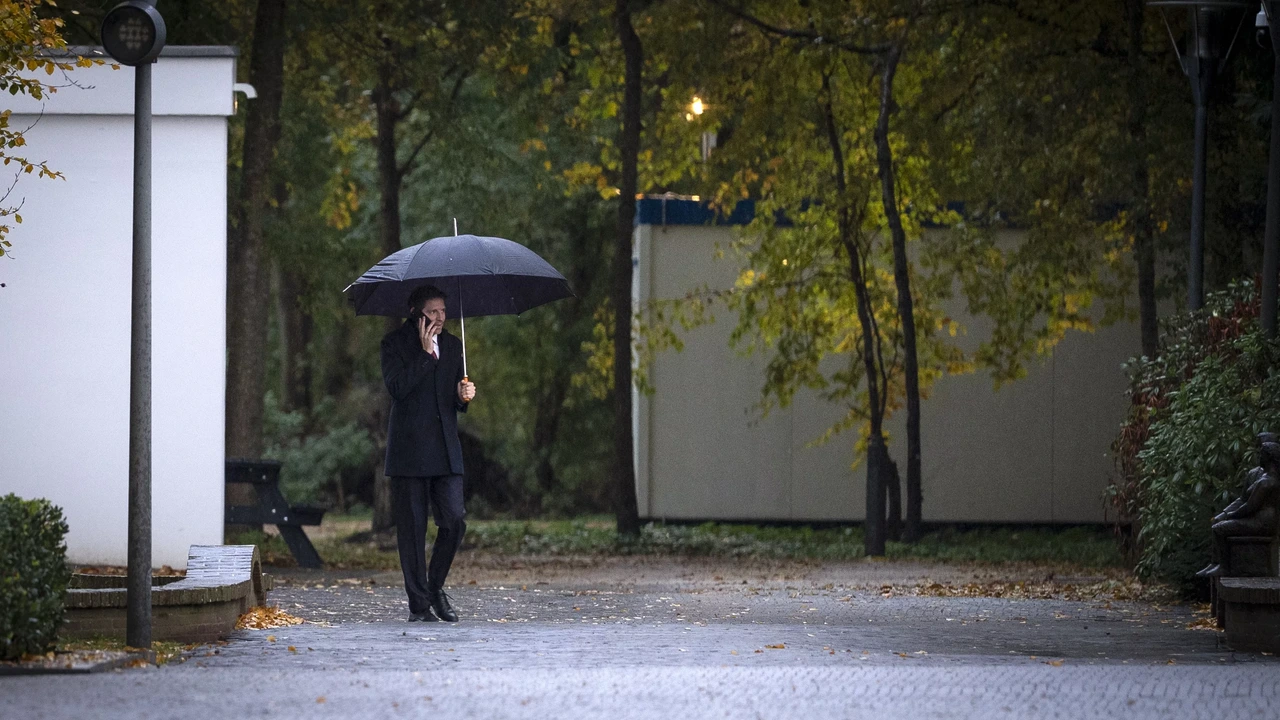
When a coalition crisis hits Dutch municipal and provincial governments, early elections are not an option because election dates are fixed every four years.
The same question is now facing national parties D66, VVD and CDA, whose coalition crisis began last week; the House of Representatives does not want a government collapse to lead directly to new elections.
In Arnhem, a coalition of VVD, D66, GroenLinks and PvdA broke apart in 2019 over plans to change financial agreements and avoid cuts to care.
With almost three years until the next election, the four parties had to find a way to keep governing together.
Two mediators spoke with coalition and opposition groups and concluded that rebuilding the existing coalition was the best option.
They urged parties to address their grievances, agree on rules for working together and spend time rebuilding trust.
The Arnhem coalition continued after relations improved, offering an example of how local politicians can handle a crisis without a new vote.

Dutch municipalities and provinces do not hold early elections when coalition governments break down.
Parties must find a way to continue governing until the next scheduled elections, held every four years.
A 2019 coalition crisis in Arnhem was resolved after mediators spoke with parties from both the coalition and opposition.
The mediators said rebuilding trust required clear working agreements and efforts to improve relations.
- Who
- Local and provincial political parties in the Netherlands.
- What
- Coalition crises do not trigger early elections; the parties must seek a way forward.
- When
- The article was published on 16 November 2026; the Arnhem example took place in 2019.
- Where
- The Netherlands, including the city of Arnhem.
- Why
- Election dates are fixed for every four years, so there are no interim elections after a coalition crisis.
This story does not have two clearly opposing sides.
A coalition split in Arnhem followed disagreement over financial plans and possible cuts to care.
Jan Markink and Rutger Groot Wassink were asked to help find a solution.
The four Arnhem coalition parties continued together after efforts to improve their relations.
- Election interval
- Every four years
- Arnhem coalition crisis
- 2019
- Arnhem coalition parties
- VVD, D66, GroenLinks and PvdA
- Coalition mediators
- Jan Markink and Rutger Groot Wassink
What people are saying
You have to put on the table what is important to you and where you are hurt by the other person's actions.
Go and have a drink together and put your frustration on the table, because if you do not speak it out, it will keep festering beneath the surface.
Those kinds of rules are a way to channel existing distrust.
We held up a mirror to everyone.