

Politics · Other · 4 hrs ago
Analysts expect Israel’s election to leave security policy largely unchanged
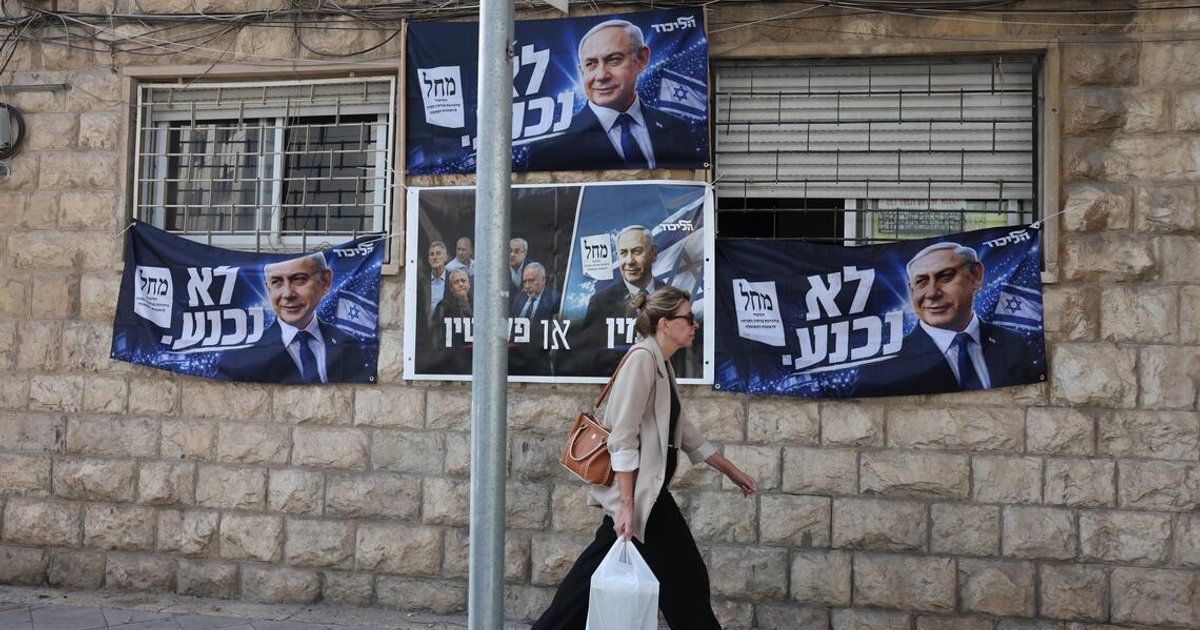
Israel holds a legislative election on October 27, with Prime Minister Benjamin Netanyahu’s Likud and far-right allies facing an opposition led by former military chief Gadi Eisenkot.
Analysts say a change of leader is unlikely to bring a major change in Israel’s security policy, shaped by the Hamas-led attacks of October 7, 2023, and subsequent wars.
Iran is expected to remain Israel’s chief adversary, while military force and buffer zones beyond Israel’s borders remain central to its approach.
Analysts also expect little change in policy toward Palestinians, with Palestinian statehood a distant prospect and settlement expansion likely to continue.
The main difference, they say, may be how forcefully a government acts, rather than the overall direction of policy.
Netanyahu has warned that Israel should prioritize prevention and offence, including pre-emptive strikes, and has said it should strengthen its independence in arms production.
The vote is also a test of whether the region is entering a prolonged confrontation, while Israel’s policies and military actions have drawn criticism and contributed to its international isolation.

Analysts expect Israel’s October 27 election to change its leader, at most, without fundamentally changing its security policy.
They say Iran will remain Israel’s main adversary and military force its preferred tool.
They also expect Palestinian statehood to remain distant and settlement expansion to continue.
A Netanyahu victory with far-right partners could lead to a more aggressive approach, analysts say.
The main differences between political leaders are expected to be about the degree and style of policy, not its direction.
- Who
- Israeli voters, choosing between Prime Minister Benjamin Netanyahu’s Likud and an opposition led by Gadi Eisenkot’s Yashar party.
- What
- Analysts expect the election to leave Israel’s security policy largely unchanged, though it could become more aggressive under Netanyahu.
- When
- October 27. The article says the election is next week.
- Where
- Israel.
- Why
- Analysts say policy assumptions hardened after the October 7, 2023, Hamas attacks and the wars in Gaza, Lebanon and Iran.
This story does not have two clearly opposing sides.
Hamas attacks on southern Israeli communities hardened the strategic assumptions underpinning Israeli policy, analysts say.
Netanyahu said Israel must prioritise prevention and offence over containment and defence.
Israel is due to hold its legislative election.
- Election date
- October 27
- Main adversary
- Iran
- Netanyahu’s party
- Likud
- Opposition party
- Yashar
- Attacks cited by analysts
- October 7, 2023, Hamas attacks on southern Israeli communities
3 sources
What people are saying
If Netanyahu is elected, he’ll do whatever he thinks he wants to do
The substance of the policy remains the same: No to a Palestinian state and yes to further settlement expansion. On this, they are all in agreement
prevention and offence over containment and defence