

Business · Energy & Commodities · 10 hrs ago
India caps raw jute stocks and orders excess supply sold by December 10
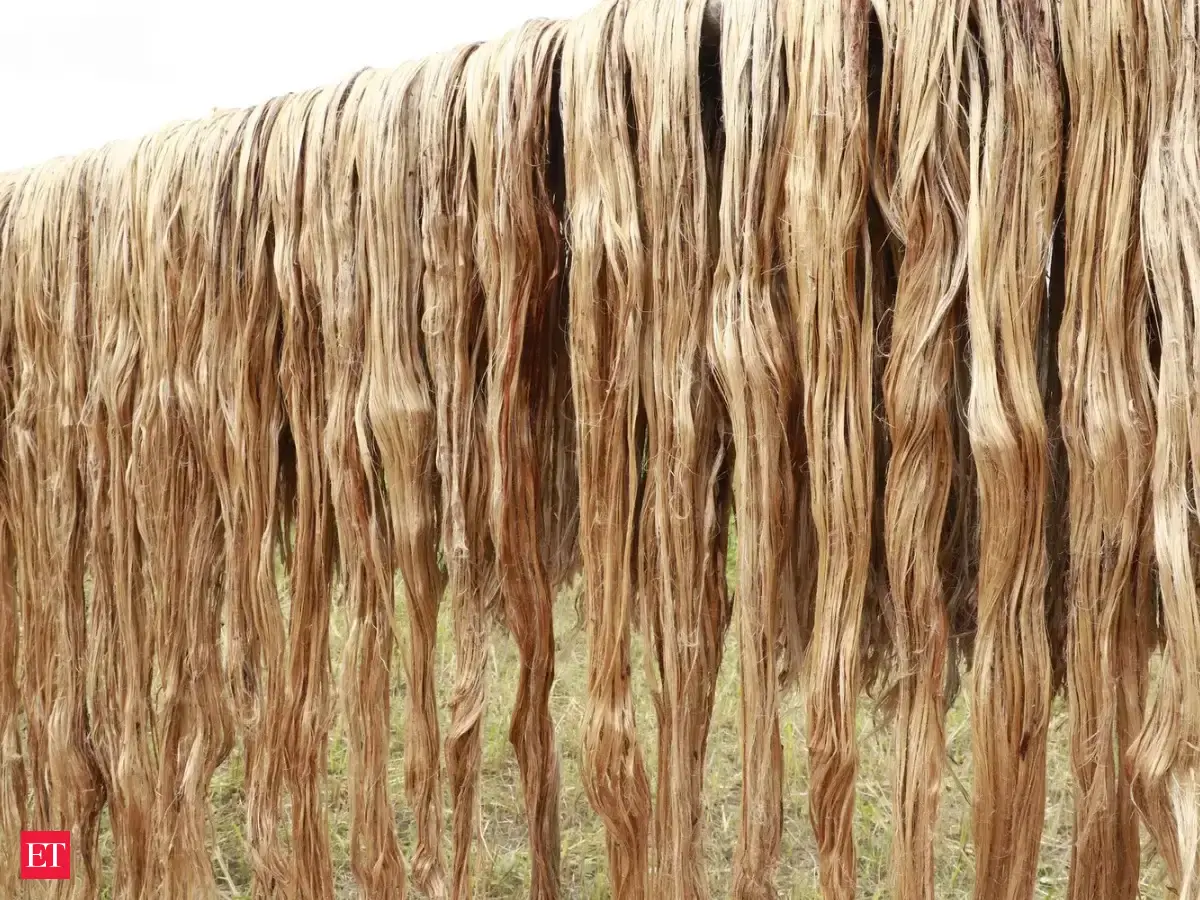
India’s Jute Commissioner has capped raw jute stocks held by balers, stockists, traders and jute mills.
The order sets different limits: registered balers can hold up to 1,000 quintals, registered stockists up to 100, and some unregistered or non-reporting entities up to five.
Anyone holding more than the limit must sell and deliver the excess by December 10, 2026, and stop buying fresh stock until holdings fall within the cap.
Jute mills and manufacturers can hold raw jute equal to up to 90 days of current production.
The government says volatile prices and speculative increases could disrupt the industry’s production and jobs, so the limits aim to improve supply and curb market manipulation.
Officials can inspect premises and seize jute held in breach of the order, and covered businesses must update their stock figures every two weeks through the Jute SMART portal.

The Jute Commissioner has imposed limits on raw jute stocks held by balers, stockists, traders and mills.
Entities holding more than their permitted limits must sell and physically deliver the excess by December 10, 2026.
Covered entities must stop buying fresh stock until their holdings fall within the prescribed limits.
The limits vary by category, from five quintals for some entities to 1,000 quintals for registered balers with a baling press on the premises.
The government says the measures aim to improve availability, stabilise supply and curb market manipulation amid price volatility.
- Who
- The Jute Commissioner, under the Ministry of Textiles, issued the order. It applies to raw jute balers, stockists, traders and jute mills.
- What
- The order sets stock limits and requires holders of excess stocks to sell and physically deliver the surplus.
- When
- Issued on November 27, 2026. Excess stocks must be delivered by December 10, 2026.
- Where
- India.
- Why
- The government says the measures aim to improve raw jute availability and curb hoarding, speculative price increases and supply disruptions.
This story does not have two clearly opposing sides.
The Jute Commissioner issued the stock-limit order.
Covered entities were directed to stop buying fresh stock until their holdings fell within the prescribed limits.
Entities holding excess stocks must sell and physically deliver the surplus by this date.
- Registered balers with a baling press on the premises
- Maximum 1,000 quintals
- Other registered stockists
- Maximum 100 quintals
- Certain unregistered entities and entities not submitting stock returns
- Maximum 5 quintals
- Jute mills and manufacturing units
- Maximum stock equivalent to 90 days' consumption, based on current production rate
- Excess stock delivery deadline
- December 10, 2026
2 sources
What people are saying
The volatility in prices and speculative increases have the potential to threaten the jute industry and have the potential for disruption in production and employment in the industry,