

Health · Healthcare & Policy · 8 hrs ago
Cell transplants and other treatments offer hope for Type 1 diabetes
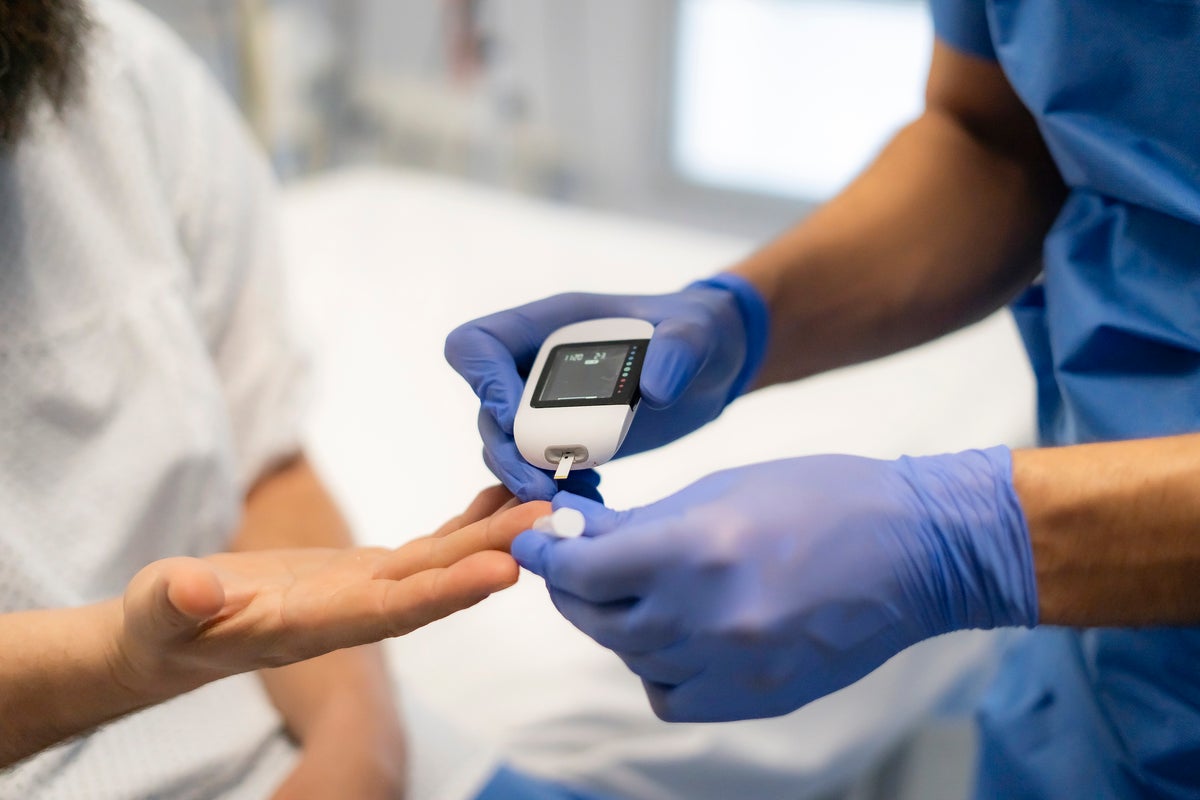
More than 830 million people worldwide are estimated to live with diabetes in 2026, and a 2023 analysis projects that number could exceed 1.3 billion by 2050.
More than 90% have Type 2 diabetes, while Type 1 happens when the immune system attacks cells that make insulin.
There is still no cure for Type 1 diabetes, but researchers are testing ways to replace those cells.
In clinical trials, most people given transplanted insulin-producing cells no longer needed insulin or needed much less, reducing their risk of dangerously low blood sugar.
The main obstacle is immune rejection, which can mean a lifetime of medicines that weaken the immune system.
Researchers are exploring ways to alter transplanted cells so they avoid attack, and targeted medicines that protect them without weakening the rest of the immune system.
Treatments that delay Type 1's progression are already available, while research into cell transplants and immune-targeting approaches continues.

Cell transplants and other emerging treatments offer hope for people with Type 1 diabetes, but a cure that works for most people has not arrived.
In clinical trials, most people who received transplanted insulin-producing cells either stopped using insulin or needed significantly lower doses.
Lower insulin needs reduced their risk of severely low blood sugar, which can be fatal.
A major challenge is that the immune system may attack transplanted cells, and immunosuppressant drugs carry risks.
Researchers are exploring ways to alter cells before transplant and to target immune responses while leaving the rest of the immune system intact.
Treatments that delay Type 1 diabetes progression are already available.
- Who
- People with Type 1 diabetes and researchers developing treatments.
- What
- Cell transplants and other approaches could reduce insulin needs or delay the disease’s progression.
- When
- The article was published on November 19, 2026; it does not give dates for the clinical trials.
- Where
- Not stated.
- Why
- Transplanted insulin-producing cells may help people need less insulin, but the immune system can attack them.
This story does not have two clearly opposing sides.
The author says they were told a cure for Type 1 diabetes would arrive in the next few years.
An analysis used existing data to model the future burden of diabetes.
The article reports that treatments to delay Type 1 diabetes progression are already available.
- Global diabetes estimate
- Over 830 million people in 2026
- Projected global total
- More than 1.3 billion people by 2050
- Clinical-trial outcome
- Most cell-transplant recipients stopped insulin or needed significantly lower doses
- Transplant challenge
- The immune system may attack transplanted cells
- Article publication
- November 19, 2026
What people are saying
Some 30 years later, a cure that works for most people has yet to arrive.
In clinical trials, the majority of people receiving transplanted insulin-producing cells either no longer needed insulin or could take significantly lower doses.
The challenge, though, is the risk the body will recognize the new cells as foreign and launch an immune response against them.