

Science & Tech · Space · 8 hrs ago
Startup tests laser-reflecting device to track satellites in orbit
British startup Foundational tested a satellite-tracking device called Retro-2 in orbit.
The test took place in low Earth orbit, at altitudes of about 600 to 870 kilometers.
The device returned 6,111 laser signals sent from the ground over five passes.
Retro-2 uses reflectors and needs no power, electronics or commands from the satellite carrying it.
The aim is to track spacecraft even after they fall silent, helping operators know where they are.
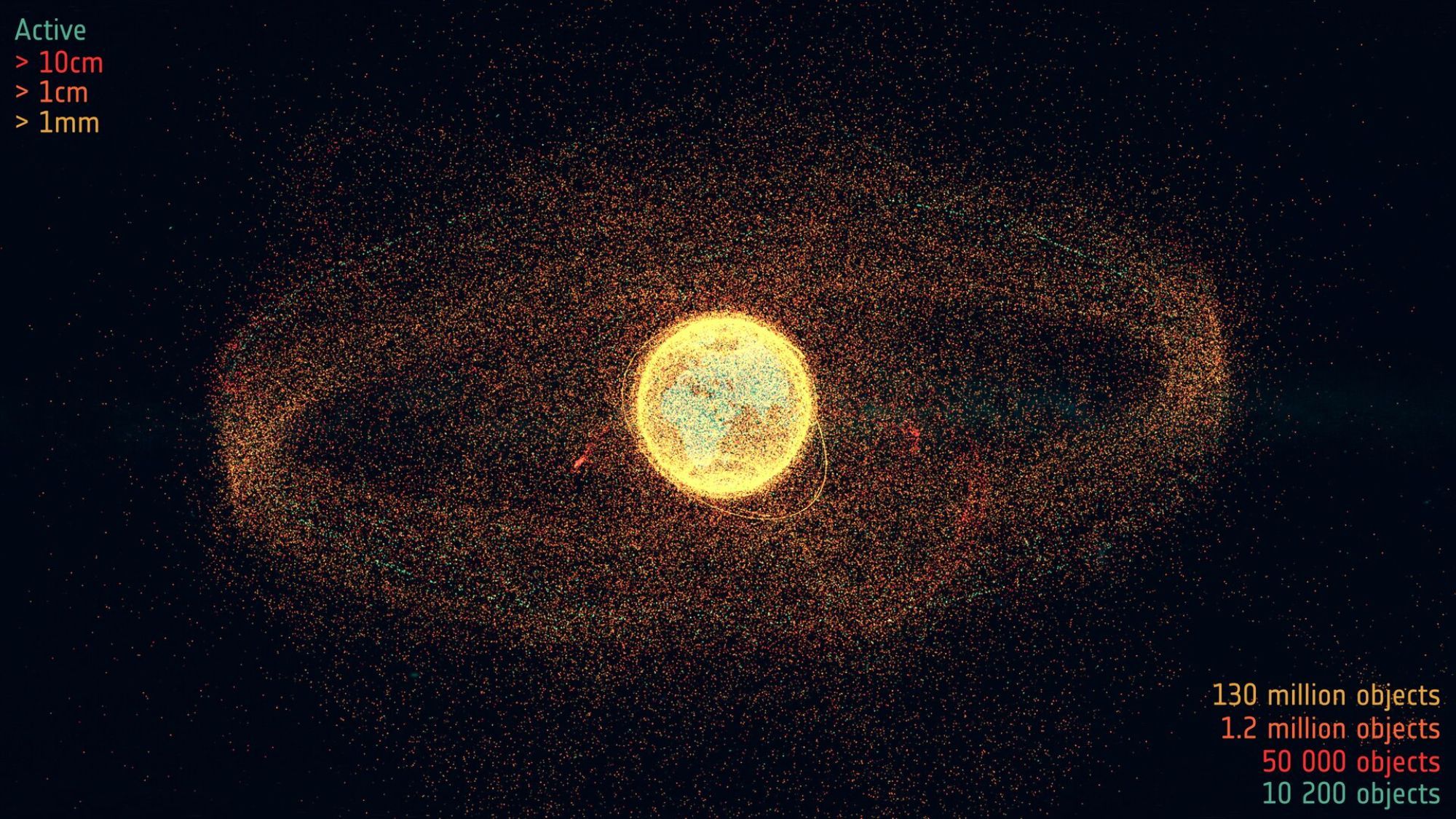
The European Space Agency says millions of pieces of debris already circle Earth, and fast-moving fragments can be dangerous.
Better tracking could help manage collision risks as more objects enter orbit, though the test was an early demonstration and no next step was specified.

British startup Foundational tested a laser retroreflector designed to help track satellites in orbit.
The Retro-2 device returned 6,111 laser shots during five passes in low Earth orbit.
The test aimed to show the device could return laser-ranging signals from a satellite at altitudes of about 600 to 870 kilometers.
Foundational says the technology could help monitor spacecraft even after they fall silent.
The company developed Retro-2 in collaboration with the European Space Agency.
- Who
- British startup Foundational developed and tested the device, in collaboration with the European Space Agency.
- What
- Its Retro-2 laser retroreflector returned laser-ranging signals from a satellite in an orbital test.
- When
- The demo launched in July 2026. The test results were reported on November 17, 2026.
- Where
- In low Earth orbit, at altitudes of about 600 to 870 kilometers.
- Why
- The technology is intended to help track spacecraft, including after they fall silent, and support the management of collision risks.
This story does not have two clearly opposing sides.
Retro-2 launched on SpaceX's Transporter-17 rideshare flight attached to a small satellite integrated into a D-Orbit ION carrier craft.
Retro-2 returned 6,111 laser shots from the ground across five passes in low Earth orbit.
Space.com reported the results of Foundational's orbital test.
- Device
- Retro-2, a mini device with seven reflectors
- Test results
- 6,111 laser shots returned across five low Earth orbit passes
- Test altitude
- About 600 to 870 kilometers
- Device weight
- 50 grams (1.8 ounces)
- Launch
- July 2026, on SpaceX's Transporter-17 rideshare flight
1 source
What people are saying
Our tests have shown that a device weighing just 50 grams [1.8 ounces] can deliver millimeter-level ranging precision
As space becomes increasingly crowded, keeping satellites trackable throughout their lifetime and beyond is critical to managing collision risks.
no electronics, power or commands from its host spacecraft