

Science & Tech · Gadgets & EVs · 3 hrs ago
ZF says new 30,000-rpm EV drive unit is smaller and lighter
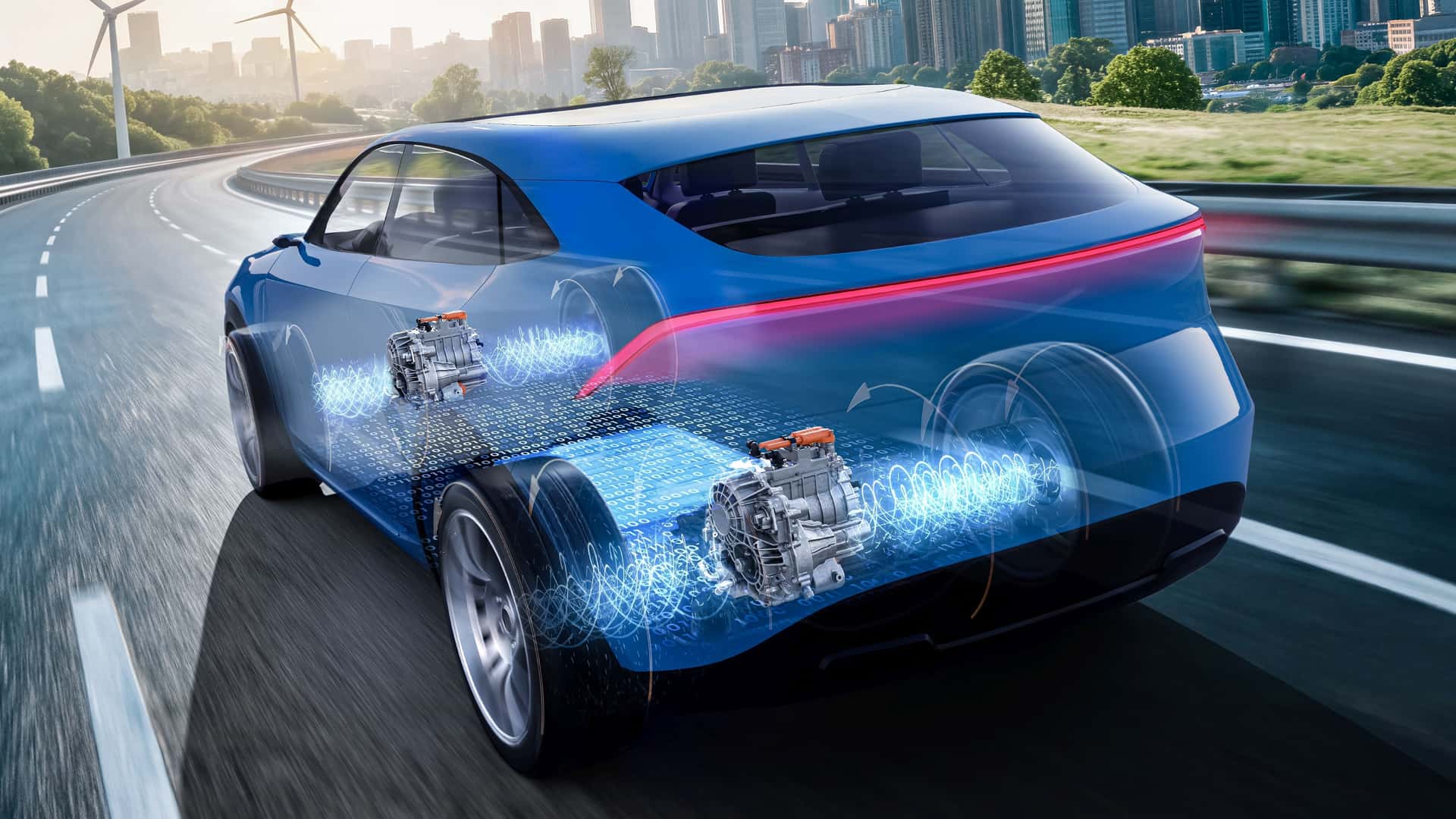
ZF has unveiled a new electric drive unit designed for everyday electric cars, not just high-performance models.
Its motor spins at up to 30,000 rpm, compared with up to 18,000 rpm for a comparable ZF unit.
Gears reduce that speed and increase the turning force sent to the wheels.
ZF claims nearly 25% less weight and bulk, along with half the magnet material and similar efficiency.
A lighter drive unit could help improve range, while using fewer magnets could lower costs and supply-chain dependence.
Production is targeted for 2030, and ZF says the unit will work with 400- and 800-volt vehicle systems.
ZF is in talks with automakers, but has not named any cars that will use it.

ZF says its High Revolution Drive electric vehicle unit spins at up to 30,000 rpm.
The company claims it is nearly 25% lighter and smaller than a comparable drive unit.
ZF says the unit uses half the magnet material while maintaining efficiency of almost 93%.
The production version is expected to deliver 200 to 268 horsepower and work with 400- and 800-volt platforms.
ZF is targeting production by 2030, but has not named any cars that will use the unit.
- Who
- ZF, the automotive supplier.
- What
- ZF introduced the High Revolution Drive, an integrated electric drive unit designed to deliver power in a smaller package.
- When
- The article was published on November 9, 2026. Production is targeted for 2030.
- Where
- Not stated.
- Why
- ZF says spinning the motor faster allows it to deliver the same power from a smaller, lighter package. Using less magnet material may also reduce costs and supply-chain dependence.
This story does not have two clearly opposing sides.
InsideEVs reported on ZF’s new High Revolution Drive.
ZF is targeting production of the drive unit.
- Maximum speed
- 30,000 rpm
- Claimed weight and volume reduction
- Nearly 25%
- Magnet material
- Half the amount used in a comparable unit
- Efficiency
- Almost 93%
- Production target
- 2030