

Science & Tech · Space · 9 hrs ago
Four NASA volunteers complete 378-day simulated Mars mission
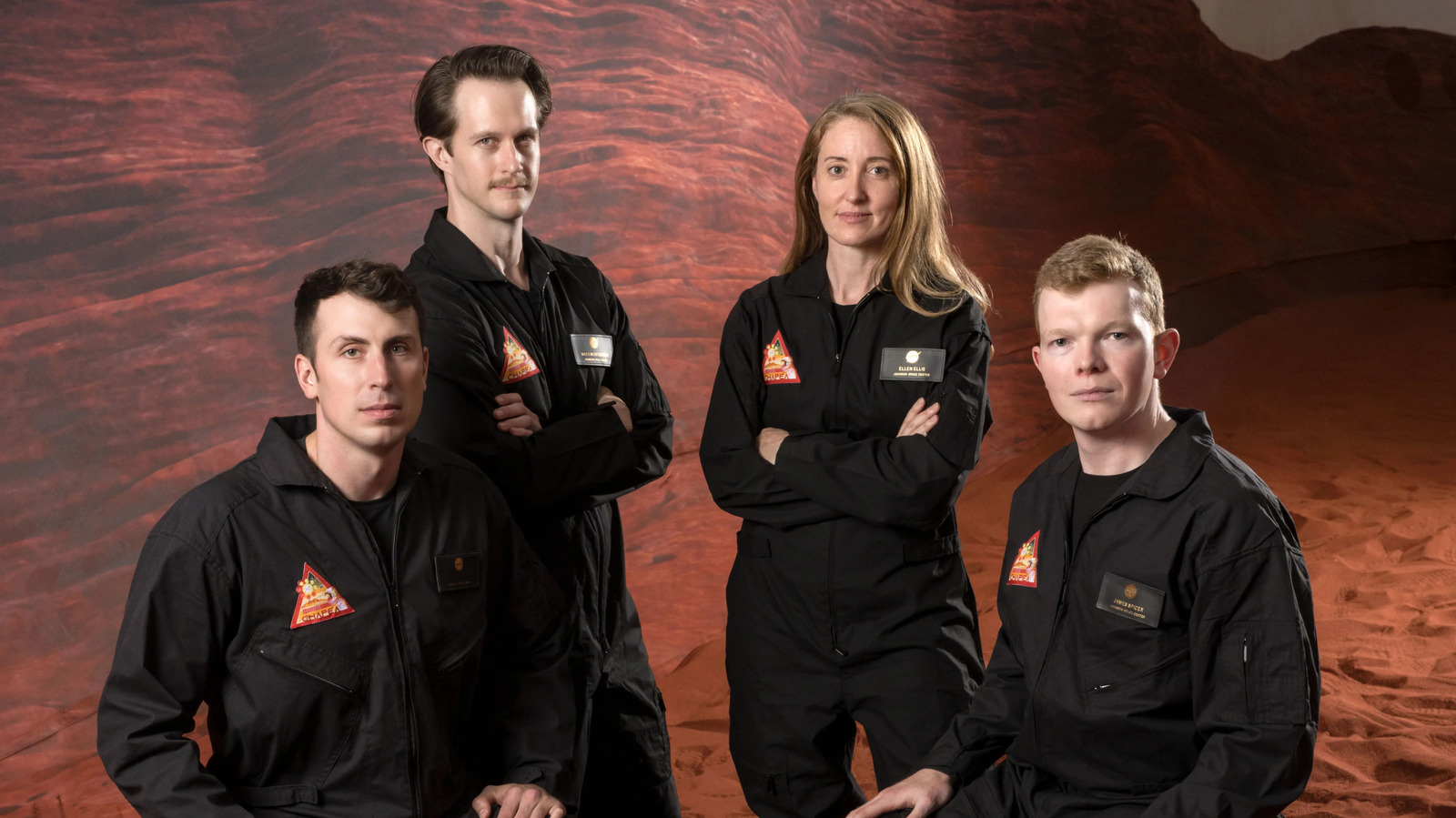
Four volunteers completed a 378-day Mars simulation and left their habitat at NASA’s Johnson Space Center in Houston on Oct.
31.
The crew—Ross Elder, Matthew Montgomery, Ellen Ellis and James Spicer—lived in a 1,700-square-foot, 3D-printed facility as part of NASA’s second CHAPEA mission.
They grew crops in simulated Martian soil, maintained the habitat and practised mission tasks, while facing limited resources and delayed communications.
These conditions help NASA study how people might handle the routines and pressures of long missions away from Earth.
NASA hopes the findings will help keep future astronauts healthy, productive and connected as it prepares for missions to the Moon and Mars.
The crew will now take part in two weeks of evaluations and debriefing with NASA scientists; the agency has also begun accepting applications for another year-long space simulation, set to start no earlier than August 2027.

Four volunteers emerged from NASA’s simulated Mars habitat after 378 days in isolation.
The crew completed the second Crew Health and Performance Exploration Analog mission at Johnson Space Center in Houston.
They entered the 1,700-square-foot habitat on October 19, 2025, and carried out simulated Mars mission tasks.
NASA says the missions can help researchers understand how astronauts adapt to the demands of long-duration space travel.
The crew is set to take part in two weeks of post-mission evaluations and debriefings with NASA scientists.
- Who
- Ross Elder, Matthew Montgomery, Ellen Ellis and James Spicer, the four-person CHAPEA mission 2 crew.
- What
- They emerged from a simulated Mars habitat after 378 days in isolation.
- When
- October 31, 2026.
- Where
- NASA’s Johnson Space Center in Houston, Texas.
- Why
- The simulation is designed to help NASA prepare for future missions and understand how astronauts adapt to long-duration space travel.
This story does not have two clearly opposing sides.
The first CHAPEA crew entered the habitat, according to Engadget.
The four members of the second CHAPEA crew entered the simulated Mars habitat.
The crew emerged after 378 days in isolation.
The crew was scheduled for two weeks of post-mission evaluations and debriefings with NASA scientists.
- Crew
- Ross Elder, Matthew Montgomery, Ellen Ellis and James Spicer
- Isolation period
- 378 days
- Habitat area
- 1,700 square feet (158 square metres)
- Location
- Johnson Space Center, Houston, Texas
- Mission
- Second CHAPEA mission
3 sources
What people are saying
It’s been a hell of a year – analogue astronauts living in captivity of our own free will
For Mars, the risks are great
These delays require patience, careful planning and greater independence – qualities that will be essential for future astronauts travelling millions of miles from home