

Politics · Other · 2 hrs ago
Netanyahu opposes striking Iran before Israel’s October 27 election
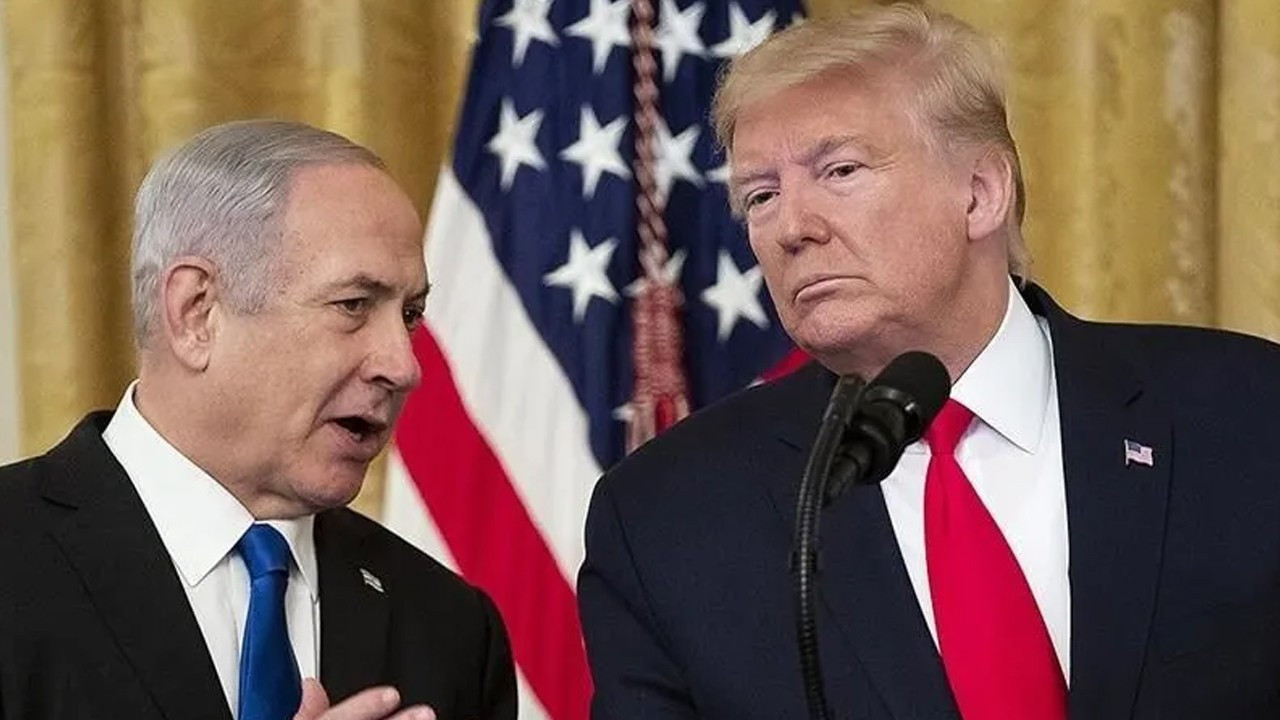
Israeli Prime Minister Benjamin Netanyahu opposes a preemptive strike on Iran before the October 27 election.
He said an attack now would not be convenient, amid claims by political rivals that he was seeking a confrontation for political reasons.
Netanyahu says Iran and its allies may attack Israel before voters go to the polls, but he warned that Israel would respond forcefully if attacked.
The United States and Israel attacked Iran on February 28, and Iran retaliated against Israel and Gulf states; Israel and Iran have not exchanged fire since June.
Defense Minister Israel Katz threatened Hezbollah with a severe blow and more Israeli-held territory in southern Lebanon if the group joins an attack on Israel.
Katz said a ground offensive was ready and warned that it could displace more than a million people, while hundreds of thousands of Lebanese Shi’ites have already been uprooted by fighting.
Netanyahu did not say whether Israel might strike Iran after the election, and he would not discuss recent talks with Washington.

Benjamin Netanyahu said he opposed a preemptive strike on Iran before Israel’s October 27 election.
He warned that Iran and its regional allies might attack Israel before the vote.
Netanyahu said Israel would respond forcefully if attacked.
Defence Minister Israel Katz threatened Hezbollah with a heavy blow and loss of territory if it attacked Israel.
A report that Netanyahu had urged the United States to renew fighting against Iran was denied by his office.
- Who
- Israeli Prime Minister Benjamin Netanyahu said he opposed a pre-election strike. Defence Minister Israel Katz also warned Hezbollah.
- What
- Netanyahu opposed a preemptive attack on Iran before the election, while warning of possible attacks on Israel and a forceful response.
- When
- Netanyahu made the remarks on October 14, 2026, ahead of the October 27 election.
- Where
- Netanyahu spoke in an interview on Israel’s Army Radio. Katz spoke in southern Lebanon.
- Why
- Netanyahu said a pre-election strike was not convenient and warned that Israel’s enemies might attack before the vote.
Netanyahu and his office
Political rivals and critics alleging a politically motivated push for war
Whether Netanyahu sought renewed fighting before the election
Netanyahu and his office
Netanyahu said a strike was not convenient before the election, and his office denied he was seeking to restart the war.
Political rivals and critics alleging a politically motivated push for war
Critics alleged he was seeking a military confrontation for political reasons, and Channel 12 reported that he urged Donald Trump to renew fighting before the vote.
The United States and Israel attacked Iran, and Tehran responded with strikes on Israel and Gulf states.
Israel and Iran have not traded fire.
Milliyet reported that unnamed senior Israeli security officials considered the chance of an attack on Iran before the election small.
Netanyahu said he opposed a preemptive strike on Iran before the election and warned that Israel’s enemies might attack.
- Election date
- October 27, 2026
- Netanyahu’s interview
- Israel’s Army Radio
- Defence minister
- Israel Katz
- Territories Katz threatened Hezbollah over
- Nabatieh and the Litani regions of southern Lebanon
- War began
- February 28, when the United States and Israel attacked Iran
6 sources
Israeli PM Netanyahu says he is not seeking to attack Iran again before Israel election
PM: Attack on Iran ‘not convenient’ now, but signs show Israel’s enemies preparing assault
Netanyahu says he is not seeking to attack Iran again before Israel election
Seçimlerden önce saldırı olmayacak
İsrail basını yazdı: Trump ve Netanyahu İran saldırılarını görüştü
What people are saying
It is not convenient for us, it’s no good
I very much hope they don’t.
If Hezbollah joins Iran in an attack on Israel, it will be dealt a heavy blow and lose additional territory in southern Lebanon, in the areas of Nabatieh and the Litani, which will become part of Israel’s permanent security zone