

Health · Medical Research · 3 hrs ago
Long-term cannabis use linked to poorer sleep, study finds
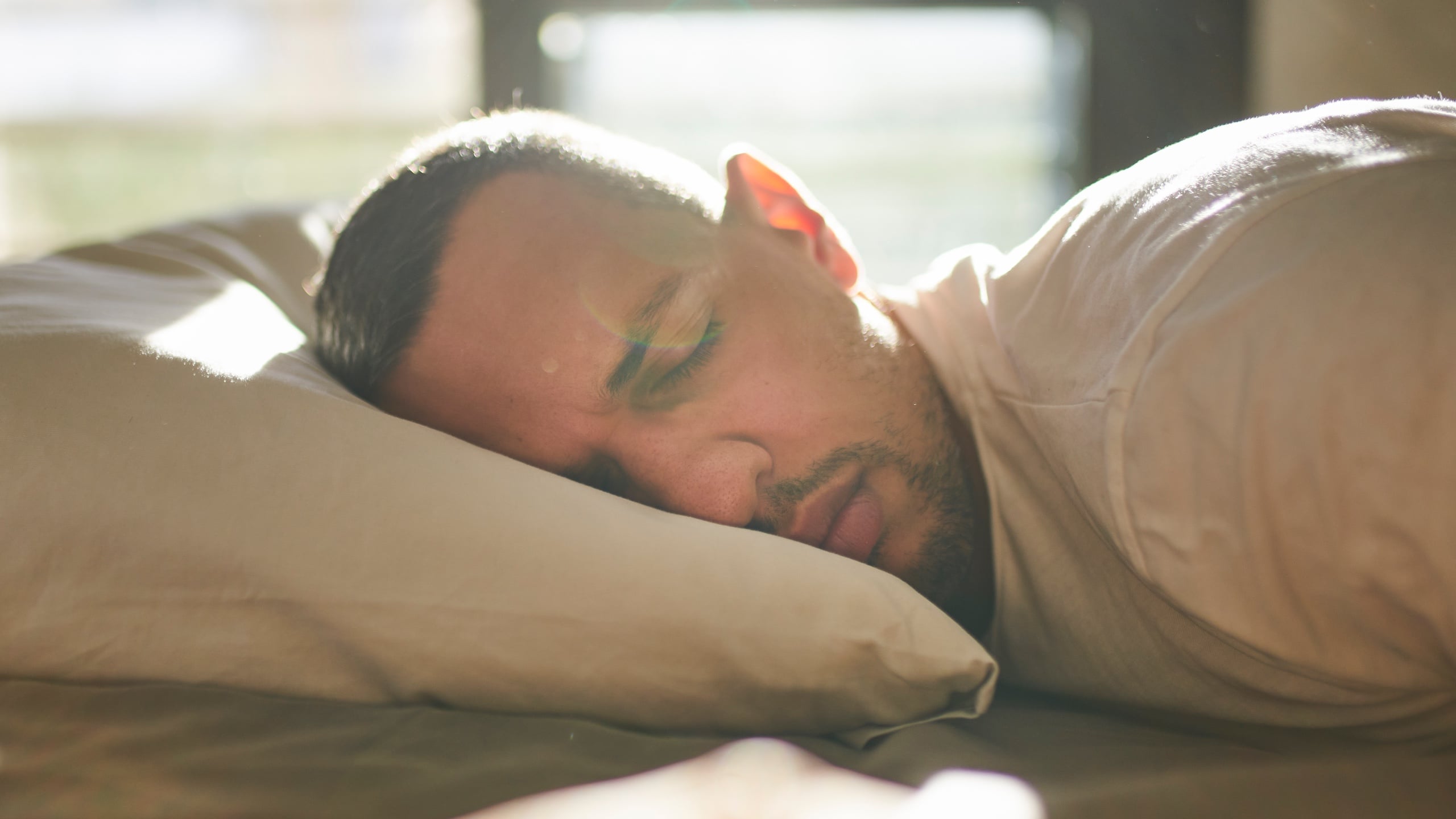
A study of US adults found that cannabis use was linked to more disrupted sleep.
Researchers analyzed long-term data from 1,266 participants in the CARDIA study, which began in 1985.
Wrist-worn trackers showed lower sleep efficiency, more interruptions and longer periods awake among people with greater lifetime cannabis use.
Recent users slept about 20 minutes longer per night on average, but also showed more signs of disrupted sleep.
Participants generally did not report worse sleep, despite the tracker results.
The gap matters because millions of Americans use cannabis as a sleep aid, and people may not notice changes in their sleep.
The study found an association, not proof that cannabis caused the sleep problems.

A study found that greater lifetime cannabis use was associated with several objective measures of poorer sleep.
Participants with more years of cannabis use had higher odds of low sleep percentage, sleep fragmentation and prolonged waking during sleep.
Recent cannabis use was associated with longer sleep duration but also with poorer measures of sleep quality.
Participants did not report worse sleep quality despite the objective findings.
The analysis used data from 1,266 participants in the CARDIA study, which began in 1985.
- Who
- Researchers led by epidemiologist Thanh-Huyen T. Vu analyzed data from CARDIA participants.
- What
- The study found an association between cannabis use and poorer objective measures of sleep, although participants did not report worse sleep quality.
- When
- The study was published on 2026-10-16. The analysis included data through the study's 2022 follow-up.
- Where
- The CARDIA study recruited participants at four sites across the United States.
- Why
- Not stated
This story does not have two clearly opposing sides.
The CARDIA study began recruiting participants at four sites across the United States.
The study's ninth follow-up assessment took place, marking year 35 of the study.
ScienceAlert published an article about the study's findings.
- CARDIA participants analyzed
- 1,266
- Participants with objective sleep data
- 891
- Lifetime use
- Each additional year of cannabis use was associated with 10% higher odds of low sleep percentage.
- Sleep fragmentation
- Each additional year of cannabis use was associated with 4% higher odds of high sleep fragmentation.
- Prolonged waking
- Each additional year of cannabis use was associated with 21% higher odds of waking for at least 30 minutes during sleep periods.
What people are saying
This study challenges the common belief that cannabis helps people sleep better
Our findings suggest cannabis may actually be associated with poorer sleep quality, even if people don't perceive those changes
The wearable device detected more nighttime disruption among participants with long-term cannabis exposure, but the participants themselves generally did not report worse sleep