

Business · Energy & Commodities · 7 hrs ago
Egypt raises gas supply cuts to fertilizer plants to 33%
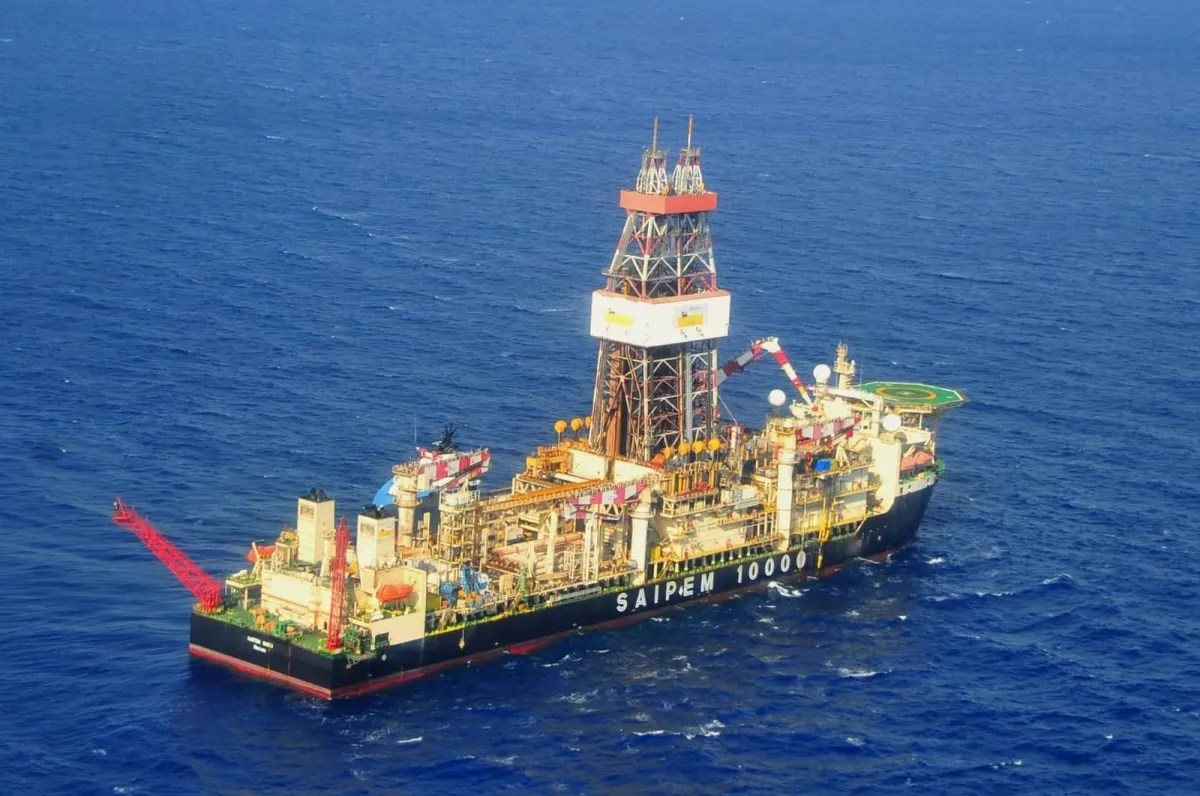
Egypt has raised gas supply cuts to fertilizer plants to 33% as it tries to manage limited supplies.
Fertilizer makers, including state-owned MOPCO, were notified of the new reduction after an earlier 20% cut.
Egypt uses natural gas to generate power, but domestic production is struggling to meet rising demand.
The country increasingly relies on imported liquefied natural gas, which is costly.
Geopolitical tensions have tightened global LNG markets and raised prices, adding pressure on Egypt’s energy supply.
MOPCO and Abu Qir Fertilizers have said they will adjust production to match available gas, and Abu Qir has plans to manage stocks and reschedule maintenance.
Egypt’s immediate challenge is balancing limited gas supplies with demand, while reducing the need for expensive imports.

Egypt has raised the cut in natural gas supplies to fertilizer plants to 33%.
Fertilizer producers were notified of the new reduction, including Misr Fertilizers Production Company, known as MOPCO.
The new cut follows an earlier 20% reduction in gas supplies to fertilizer and methanol plants.
The government is seeking to limit reliance on costly liquefied natural gas imports as domestic production struggles to meet rising demand.
Geopolitical tensions have tightened global LNG markets and pushed up prices.
- Who
- Egyptian fertilizer producers, including MOPCO.
- What
- They were notified of a 33% cut in natural gas supplies.
- When
- Sunday, November 8, 2026.
- Where
- Egypt.
- Why
- Egypt is seeking to reduce the need for costly LNG imports amid energy supply pressures.
This story does not have two clearly opposing sides.
The government began cutting gas supplies to fertilizer and methanol plants by 20%.
Fertilizer producers were notified that the gas supply cut would rise to 33%.
- New gas cut
- 33%
- Previous gas cut
- 20%
- Company notified
- Misr Fertilizers Production Company (MOPCO)
- LNG budget
- About $10.1 billion for fiscal year 2026–2027
- LNG spending
- $5.8 billion by October 6
- Fuel oil purchases
- Six high-sulfur fuel oil cargoes for delivery in November and December