

Business · Economy · 9 hrs ago
Indonesia’s drug regulator prepares for costs to rise as rupiah weakens
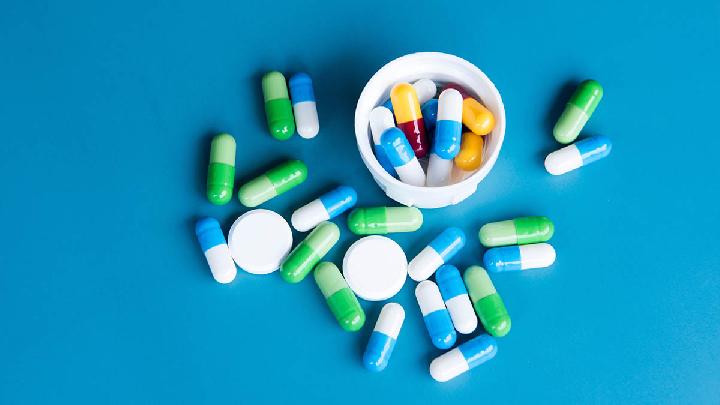
Indonesia’s Food and Drug Authority, known as BPOM, says a weaker rupiah could raise drug costs because manufacturers import some ingredients and production materials.
A BPJS Watch advocate said more than 90 percent of raw materials are imported, mainly from China and India.
The advocate said drug prices could rise by about 10 percent, but this was a potential increase, not a confirmed change.
BPOM is talking with drugmakers and wholesalers to prepare for supply-chain disruptions.
It has encouraged companies to diversify suppliers, use more locally made materials and consider alternatives that meet safety and quality rules.
BPOM also says it can help companies with regulatory processes as they adjust production.
The agency says it will work with other government bodies to support medicine access and promote fair price changes, while ensuring medicines remain safe and effective.

Indonesia’s drug regulator says a weakening rupiah could raise costs for the pharmaceutical industry and affect medicine prices and availability.
BPOM says some active pharmaceutical ingredients, packaging materials and production components are imported.
The regulator is coordinating with industry stakeholders and wholesalers and promoting alternative and locally produced raw materials.
BPOM says it will support regulatory processes while requiring medicines to meet safety, quality and efficacy standards.
BPJS Watch coordinator Timboel Siregar said more than 90 percent of raw materials are imported and drug prices could rise by about 10 percent.
- Who
- Indonesia’s Food and Drug Authority (BPOM), represented by Lynda Kurnia Wardhani, and pharmaceutical industry stakeholders.
- What
- BPOM is preparing to mitigate possible cost pressures as the rupiah weakens, which could affect drug prices and availability.
- When
- Lynda Kurnia Wardhani made the comments on November 7, 2026; the article was published November 12, 2026.
- Where
- Indonesia.
- Why
- Some pharmaceutical ingredients, packaging materials and production components are imported, leaving costs exposed to exchange-rate fluctuations.
This story does not have two clearly opposing sides.
BPOM held a dialogue with pharmaceutical industry stakeholders and wholesalers about strategies to maintain drug production and distribution.
Timboel Siregar said the rupiah’s weakness could lead drug prices to rise by about 10 percent.
Lynda Kurnia Wardhani discussed possible cost pressures and BPOM’s response.
Tempo EN published its report on BPOM’s preparations for rising drug prices.
- Potential price rise
- About 10 percent, according to Timboel Siregar
- Imported raw materials
- More than 90 percent, according to Timboel Siregar
- BPOM dialogue
- May 6, 2026
- Lynda Kurnia Wardhani’s comments
- November 7, 2026
- Report publication
- November 12, 2026
What people are saying
This condition can impact the increase in procurement costs of raw materials, production costs, as well as drug distribution, which ultimately has the potential to affect drug prices and availability in the community
BPOM also encourages that any adjustments to production costs and drug prices be carried out fairly, keeping in mind the interests of the public as consumers
The tendency for health inflation is becoming high