

Politics · Canada · 1 hr ago
Canada’s Supreme Court largely upholds Quebec’s Bill 21
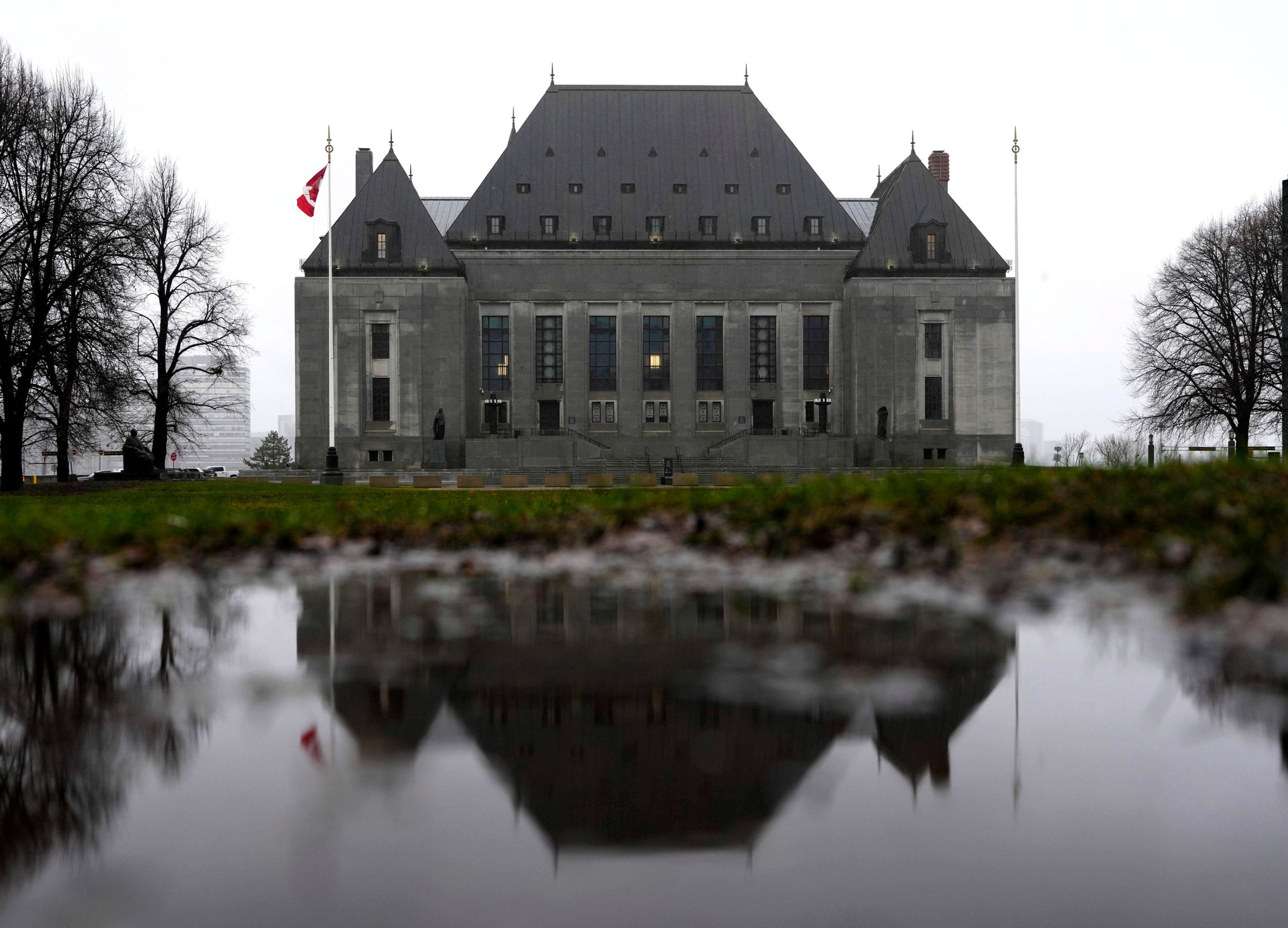
Canada’s Supreme Court largely upheld Quebec’s Bill 21 on Friday, keeping most of the province’s secularism law in force.
The law bars some public-sector workers from wearing religious symbols at work, though the court ruled that provincial lawmakers may wear them in the legislature.
Quebec had used the notwithstanding clause to protect the law from certain Charter challenges; the clause lets governments keep laws in force even if they conflict with some Charter rights.
The decision backs Quebec’s authority to use the clause, but judges may still declare that a law violates rights without striking it down.
Supporters called the ruling a victory for Quebec secularism, while opponents said the law excludes people of faith from some jobs.
The ruling eases immediate political tensions in Quebec, but political leaders will shape future use of the clause, and the debate over rights and secularism is not over.

Canada’s Supreme Court largely upheld Quebec’s secularism law, known as Bill 21, which bars some public-sector workers from wearing religious symbols.
The court upheld Quebec’s use of the notwithstanding clause to override certain Charter rights and declined to impose new limits on its use.
A majority said courts may still publicly declare that rights are being violated, even when the clause protects a law from being invalidated.
The ruling drew support from Quebec’s premier and criticism from religious minorities and civil liberties opponents.
Three of the court’s seven judges found that large parts of Bill 21 should be voided over concerns about gender equality protections.
- Who
- Canada’s Supreme Court ruled on Quebec’s Bill 21.
- What
- It largely upheld the law and Quebec’s use of the notwithstanding clause.
- When
- Friday, Nov. 27, 2026.
- Where
- Quebec, Canada.
- Why
- The court considered challenges to Bill 21 and the province’s use of the Charter override clause.
Quebec government and supporters of Bill 21
Religious minorities and civil liberties opponents
Bill 21
Quebec government and supporters of Bill 21
The law reflects Quebec’s secularism and distinctive values.
Religious minorities and civil liberties opponents
The law bars people from some jobs because they wear religious symbols.
Ruling
Quebec government and supporters of Bill 21
Quebec Premier Paul St-Pierre Plamondon called it a victory for Quebec secularism.
Religious minorities and civil liberties opponents
Opponents said the decision harms rights and creates unequal citizenship.
Notwithstanding clause
Quebec government and supporters of Bill 21
Quebec supported its use to protect the law from being invalidated.
Religious minorities and civil liberties opponents
Opponents challenged the law and the use of the clause to override Charter rights.
Justice Minister Jean Chrétien defended the inclusion of an override clause in the Charter.
A lower court ruled that Quebec legislators must swear an oath to the King, suspending a 2022 provincial law that abolished the requirement.
The Supreme Court largely upheld Bill 21 and Quebec’s use of the notwithstanding clause.
Quebec’s Parti Québécois plans to sit in the National Assembly as scheduled.
- Law
- Bill 21, Quebec’s secularism law
- Ruling
- Largely upheld by the Supreme Court of Canada
- Judges
- Three of seven found large parts should be voided over gender equality protections
- Clause
- Notwithstanding clause, used to override certain Charter rights
- Quebec premier
- Paul St-Pierre Plamondon
6 sources
Supreme Court’s Bill 21 ruling wards off political crisis in Quebec
Supreme Court of Canada upholds Quebec’s secularism law
Canada's top court largely upholds Quebec secularism law
The future of the notwithstanding clause is now up to political leaders
Canada's top court backs Quebec's contentious religious symbols ban
What people are saying
It’s a victory for Quebec secularism
It’s a dark day for Quebec and Canada
extremely disappointed
I’m disappointed by the judgement because it creates a two-tiered citizenship