

World · Europe · 12 hrs ago
EU will ban products made with forced labour from December 2027
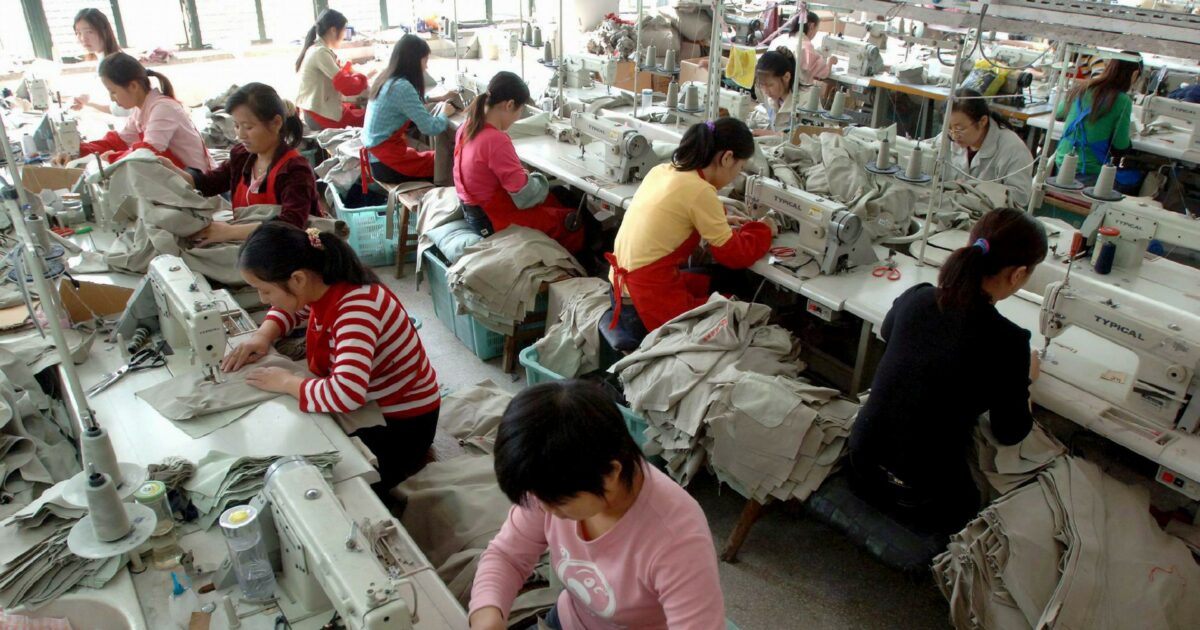
Uzbekistan once relied on forced labour in its cotton harvests, sending teachers, health workers and students to pick cotton, often against their will.
Reforms helped end its systematic use, and in 2018 the International Labour Organization found that 93% of cotton pickers worked voluntarily.
The EU’s Regulation 2024/3015 will ban products made with forced labour from being sold in the bloc starting 14 December 2027.
It applies to all products, whatever the industry or country of origin, including goods made in the EU and products where forced labour occurred at just one stage of production.
Unlike a separate EU rule that applies only to certain large companies, this regulation does not require businesses to certify their supply chains in advance; public authorities will investigate possible violations.
If forced labour is confirmed, authorities can ban sales, withdraw goods and stop exports.
Fashion companies will need to trace their supply chains, including suppliers of fabrics and raw materials, before the rules take effect.

The EU will ban products made wholly or partly with forced labour from being sold in the bloc from 14 December 2027.
The ban applies to all products, regardless of industry or country of origin.
It covers goods made in the EU as well as imported goods, whether for domestic use or export.
National authorities and the European Commission will investigate suspected violations, focusing on higher-risk products, sectors and regions.
Authorities may ban sales, order products withdrawn from the market and prevent their export if forced labour is confirmed.
- Who
- The European Union, through national authorities and the European Commission, will enforce the ban. It applies to products and the businesses marketing them.
- What
- The EU will prohibit marketing products made wholly or partly using forced labour.
- When
- The regulation will apply from 14 December 2027.
- Where
- Across the European Union, including goods made in the EU and goods imported from elsewhere.
- Why
- To prevent products made through forced labour from being marketed in the EU.
This story does not have two clearly opposing sides.
The International Labour Organization reported that 93% of people involved in Uzbekistan’s cotton harvest were working voluntarily.
The EU regulation on products made with forced labour will become applicable.
- Regulation
- EU Regulation 2024/3015
- Start date
- 14 December 2027
- Scope
- All products, regardless of sector or country of origin
- Enforcement
- National authorities and the European Commission
- Possible measures
- Sales bans, market withdrawals and export restrictions