

Business · Economy · 5 hrs ago
South Korea’s producer prices rose for a second month in September
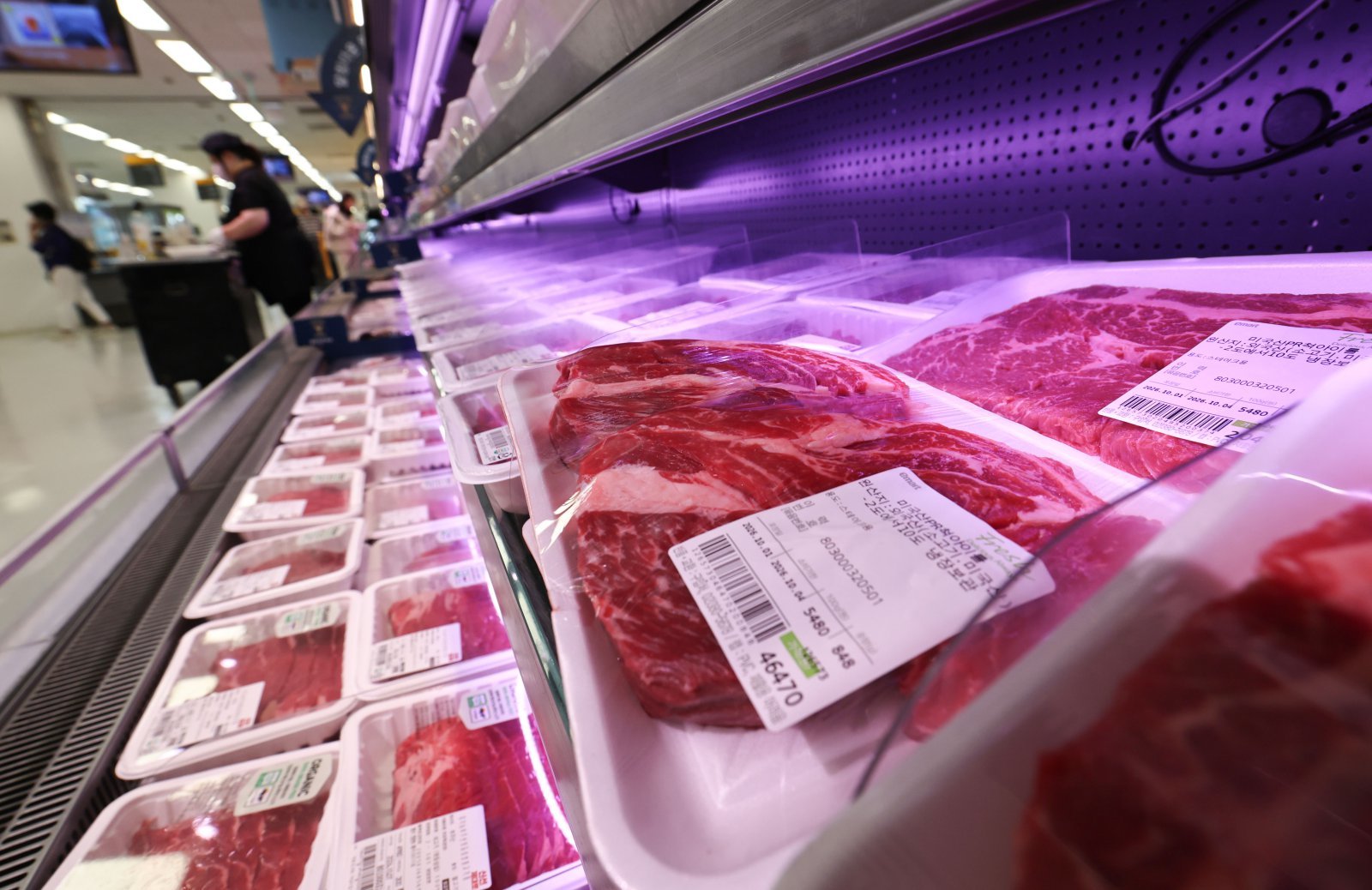
South Korea’s producer prices rose 0.2% in September, marking a second monthly increase after a fall in July.
Producer prices track what businesses pay for goods and services, and can affect prices consumers later face.
Holiday demand pushed up farm and livestock prices, including a 42.9% rise in cabbage and a 10.4% rise in beef.
The end of summer electricity discounts also raised costs, with household electricity prices up 13.4% from August.
A stronger won helped lower prices for some electronic goods, limiting the overall rise.
Higher energy and materials costs may add pressure to consumer prices, though the central bank said it has not seen a recent sharp acceleration in that pressure.
October could bring both upward and downward influences: lower international oil prices may ease costs, while higher industrial gas rates and airline fuel surcharges may push them up.

South Korea’s producer price index rose 0.2% in September, marking a second consecutive monthly increase.
The index reached 129.78, based on 2020 prices of 100, the Bank of Korea said.
Prices for agricultural, livestock and fishery products rose 2.6%, with cabbage up 42.9% and beef up 10.4%.
Residential electricity prices rose 13.4% after summer rate discounts ended, while lower exchange rates weighed on prices for electronic products.
The Bank of Korea said accumulated production costs could add upward pressure to consumer prices.
- Who
- South Korea’s Bank of Korea reported the producer price data.
- What
- Producer prices rose 0.2% in September, a second consecutive monthly increase.
- When
- September 2026. The report was published on October 20, 2026.
- Where
- South Korea.
- Why
- End of summer electricity discounts and holiday demand lifted some prices, including electricity and agricultural and livestock products. Lower exchange rates restrained some electronic product prices.
This story does not have two clearly opposing sides.
Producer prices fell 0.4%.
Producer prices rose 0.1%.
Producer prices rose 0.2%, extending the increase for a second month.
The Bank of Korea said falling international oil prices through mid-month were a downward factor, while higher industrial city gas rates and airline fuel surcharges were upward factors.
- Producer price index
- 129.78 (2020=100)
- Monthly change
- Up 0.2% in September
- Year-on-year change
- Up 7.7% in September
- Cabbage prices
- Up 42.9% month on month
- Residential electricity prices
- Up 13.4% month on month
- Industrial city gas prices
- Up 38.9% year on year
1 source
What people are saying
The end of summer rate discounts is a common pattern, and it is not greatly related to international oil prices.
The accumulated burden of production costs will act as upward pressure on consumer prices in the future.