

Science & Tech · Science & Environment · 7 hrs ago
COP31 raises questions about the environmental costs of addictive products
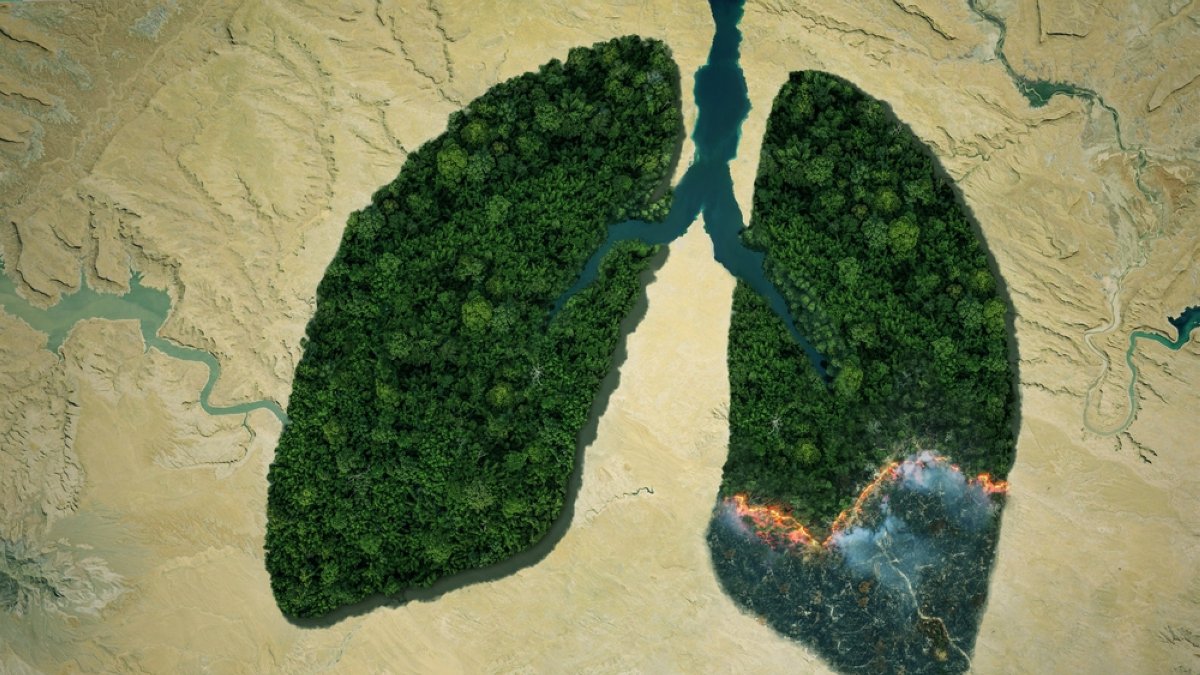
As COP31 approaches in Antalya, Türkiye, industries selling addictive products face calls for closer environmental scrutiny.
The issue includes tobacco, alcohol and digital businesses such as online gambling platforms, whose products and services can have environmental costs.
Greener packaging or renewable power may address only part of a company’s footprint, while increased sales can still raise total resource use and emissions.
The World Health Organization estimated that the tobacco industry was responsible for about 84 million metric tons of carbon dioxide emissions and 22 billion metric tons of water use annually in 2022.
Companies should disclose their total resource use, emissions and waste, with figures that can be independently checked, rather than relying on selected improvements.
A Turkish Green Crescent study tested 98 wastewater samples collected over one week from treatment plants in seven cities, including Antalya.
Some substances, including MDMA, remained after treatment, though detecting residues alone does not prove ecological harm.
The findings support sustained monitoring and further investigation, while local authorities and treatment plants face the task of managing pollution after consumption.

The article argues that companies selling addictive products should face scrutiny of their environmental claims ahead of COP31.
It says greener packaging or renewable electricity can be useful improvements but do not account for a business’s full environmental footprint.
The World Health Organization estimated that the tobacco industry was responsible for about 84 million metric tons of carbon dioxide emissions and 22 billion metric tons of water use annually in 2022.
Alcohol production and digital platforms also use resources, though the article says impacts vary and digital use is not synonymous with addiction.
A Turkish study found that wastewater treatment removed some psychoactive substances but that MDMA was harder to remove.
- Who
- Industries that profit from addictive products and compulsive use, including tobacco, alcohol and some digital businesses.
- What
- The article calls for scrutiny and fuller disclosure of these businesses’ environmental costs and claims.
- When
- As governments prepare to gather for COP31. The article was published on November 2, 2026.
- Where
- Antalya, Türkiye, where COP31 is due to be held; the wastewater study included samples from seven Turkish cities.
- Why
- The article argues that green improvements can obscure broader resource use, emissions, waste and costs borne by the public.
This story does not have two clearly opposing sides.
The WHO estimated the tobacco industry’s annual emissions at roughly 84 million metric tons of carbon dioxide and water use at 22 billion metric tons.
Researchers collected 98 wastewater samples from treatment plants in seven Turkish cities, including Antalya.
Governments were preparing to gather in Antalya, Türkiye.
- COP31 location
- Antalya, Türkiye
- WHO estimate
- Tobacco industry: roughly 84 million metric tons of carbon dioxide emissions annually in 2022
- WHO estimate
- Tobacco industry: 22 billion metric tons of water use annually in 2022
- Wastewater study
- 98 samples collected over one week
- Study coverage
- Treatment plants in seven Turkish cities, including Antalya
- Substance harder to remove
- MDMA