

Politics · India · 6 hrs ago
Congress Seeks Talks on Delimitation and a Freeze on Lok Sabha Seats
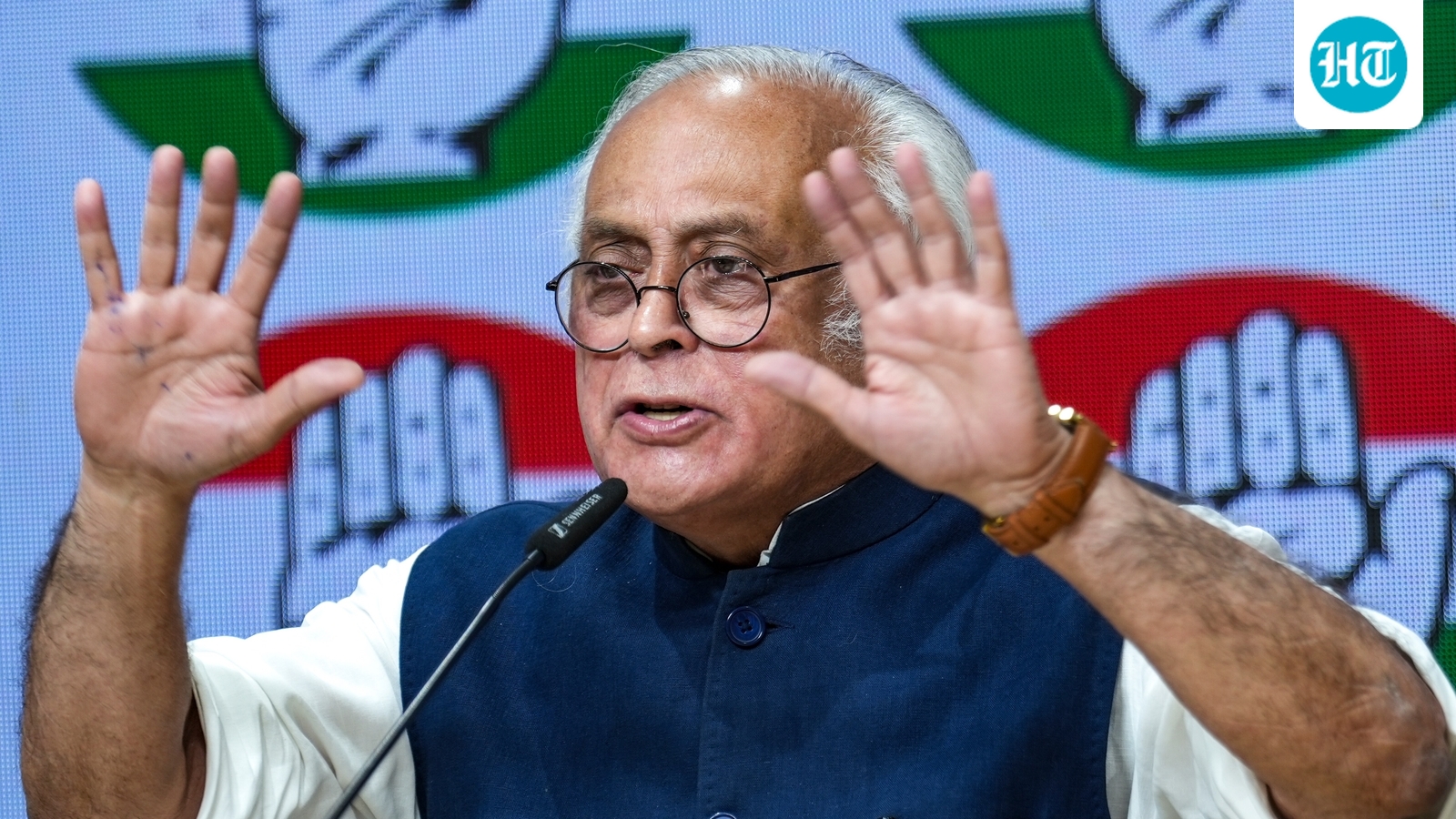
Congress says it is willing to discuss a fresh delimitation bill with the government and other parties.
Delimitation redraws electoral constituencies, and the proposed changes could affect how many Lok Sabha seats states have.
The earlier constitutional amendment bill failed in April because it did not get the required two-thirds majority in the Lok Sabha.
Congress wants the 543-seat Lok Sabha and the current state-wise allocation to remain unchanged, with women’s reservation implemented within those seats.
The party also wants the redrawing delinked from the 2027 Census, arguing that changes based on population could disadvantage some southern states.
Jairam Ramesh says no structured all-party talks or fresh proposals have been presented, while another account says the government has reached out to opposition parties.
Whether the government brings forward a new bill and secures enough support remains unclear.

Congress said it was willing to discuss a fresh delimitation bill with the government, but wants the redrawing of constituencies delinked from the 2027 Census.
The party says Lok Sabha seats should remain at 543, with state-wise representation frozen for 25 years and the women’s quota carved out of those seats.
Congress general secretary Jairam Ramesh said talks should involve all political parties and ensure no state is disadvantaged.
An earlier constitutional amendment bill on delimitation failed to secure the required two-thirds majority in the Lok Sabha in April 2026.
The government says its bill would maintain states’ proportional representation and that no state would lose seats.
- Who
- Congress, represented by general secretary Jairam Ramesh, and the Union government.
- What
- Congress is open to talks on a fresh delimitation bill, while seeking to delink it from the 2027 Census and freeze Lok Sabha seats.
- When
- Congress stated its willingness on Friday, November 20, 2026; Ramesh made further comments on Saturday, November 21.
- Where
- India, in discussions concerning the Lok Sabha and Parliament.
- Why
- Congress says dialogue is needed to resolve concerns and ensure no state is disadvantaged by delimitation.
Congress
Union government
Seat numbers and state representation
Congress
Congress wants Lok Sabha seats to remain at 543 and state-wise representation to be frozen for 25 years.
Union government
The government says its bill would maintain states’ proportional representation and ensure no state loses seats.
Delimitation and the Census
Congress
Congress wants the redrawing of constituencies delinked from the 2027 Census.
Union government
The government’s earlier bill linked delimitation and the women’s quota to the last published Census; the sources do not state its position on Congress’s proposed 25-year freeze.
Indira Gandhi postponed delimitation by 25 years.
Atal Bihari Vajpayee extended the freeze for another 25 years, until publication of the first Census after 2026.
A constitutional amendment bill on delimitation was defeated after failing to secure the required two-thirds majority.
Congress said it was willing to discuss a fresh bill and sought to delink delimitation from the 2027 Census.
- Current Lok Sabha seats
- 543, according to Congress’s demand
- Earlier bill vote
- 298 in favour and 230 against
- Majority required
- Two-thirds of the Lok Sabha
- Congress’s proposed freeze
- 25 years
- Census linked to delimitation
- 2027 Census
3 sources
What people are saying
The Congress wants the matter to be resolved through dialogue and discussion with all political parties
Far-reaching and comprehensive Delimitation can wait
Under the circumstances, it is in the nation's interest to let the current Lok Sabha strength and state-wise configuration continue with one-third reservation for women implemented
There is no question of the government negotiating on the provision for the 50% increase in seats. The government has already reached out to all parties with the assurance that no state will lose any seats. The bill proposes to maintain the proportional representation of states