

Science & Tech · Science & Environment · 37 mins ago
Alas Purwo’s suitability as a second home for Javan rhinos remains unconfirmed
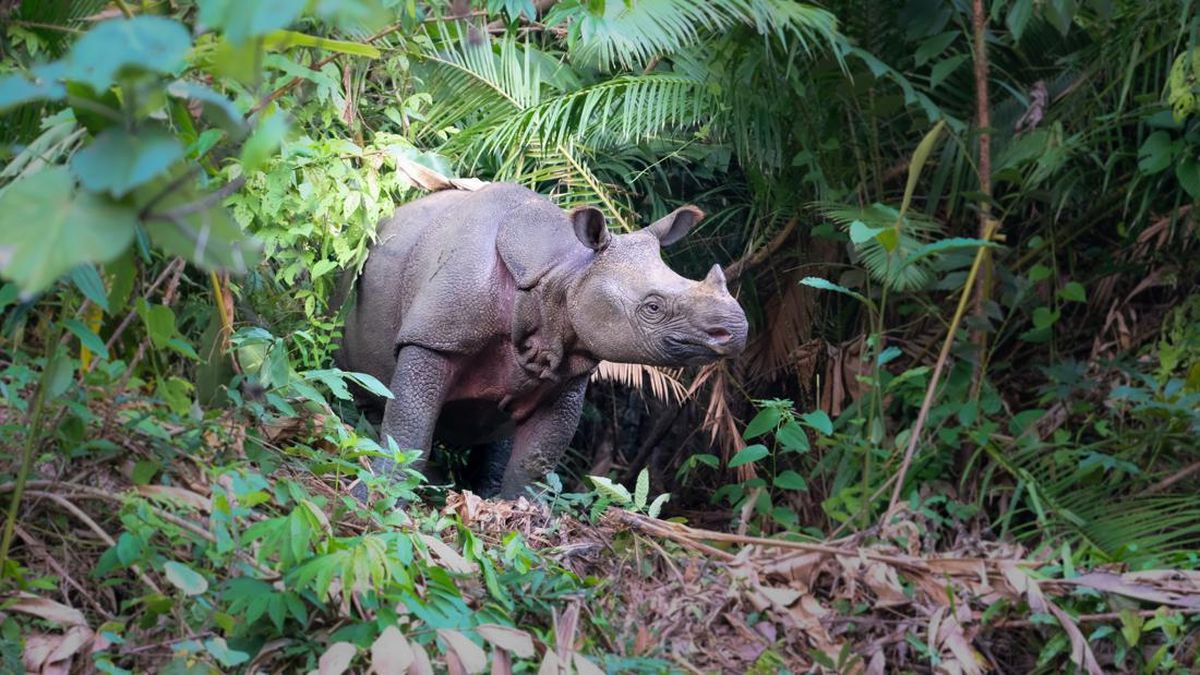
Indonesia’s Forestry Ministry says Alas Purwo has not been confirmed as suitable for Javan rhinos, despite a proposal to move some there.
The proposed site is in East Java, while the rhinos’ only known surviving population lives in Ujung Kulon National Park in Banten.
A presidential climate and energy envoy raised the idea to reduce the risk that a natural disaster could wipe out the population.
The ministry says scientific studies and a full assessment are needed to determine whether Alas Purwo could safely support the animals.
It says protection at Ujung Kulon will continue alongside any effort to develop a second habitat.
A separate relocation within Ujung Kulon ended in the death of a male rhino named Musofa in November 2025.
Officials say any move needs careful planning, and no decision on transferring rhinos to Alas Purwo has been announced.

Indonesia’s Forestry Ministry says Alas Purwo National Park has not been confirmed as suitable for a second habitat for Javan rhinos.
The ministry says scientific research and a comprehensive assessment are needed to determine whether the area can support the rhinos’ safety and survival.
The proposal was raised by presidential climate and energy envoy Hashim Djojohadikusumo at COP31, who cited the risk of disasters affecting the population in Ujung Kulon.
The ministry says protection in Ujung Kulon will continue alongside consideration of a second habitat.
A previous rhino relocation within Ujung Kulon ended with the death of the male rhino Musofa in November 2025.
- Who
- Indonesia’s Forestry Ministry and presidential envoy Hashim Djojohadikusumo.
- What
- The ministry says Alas Purwo’s suitability as a second Javan rhino habitat remains unconfirmed and requires scientific study.
- When
- The ministry stated its position in November 2026; Hashim raised the proposal on November 12.
- Where
- Alas Purwo National Park in East Java is proposed as a second habitat; the only remaining wild population is in Ujung Kulon National Park, Banten.
- Why
- Hashim cited the risk of disasters, including a tsunami linked to an earthquake or an eruption of Anak Krakatau; the ministry says the site must be assessed for rhino safety and survival.
Hashim Djojohadikusumo
Indonesia’s Forestry Ministry
Reason for considering Alas Purwo
Hashim Djojohadikusumo
Hashim proposed it as a second habitat to protect rhinos from potential disasters in Ujung Kulon.
Indonesia’s Forestry Ministry
The ministry says the proposal needs scientific study and comprehensive assessment before the site’s suitability can be established.
Conservation approach
Hashim Djojohadikusumo
Hashim has proposed relocating rhinos to Alas Purwo.
Indonesia’s Forestry Ministry
The ministry says protection in Ujung Kulon must continue and be strengthened alongside development of a second habitat.
Several locations, including Gunung Honje and Cikepuh, were discussed as possible alternative habitats for Javan rhinos.
Musofa arrived at the Javan Rhino Study and Conservation Area after being moved within Ujung Kulon National Park.
Musofa’s condition worsened, and he died that afternoon.
Hashim proposed Alas Purwo as a second Javan rhino habitat at COP31 in Antalya, Turkey.
The Forestry Ministry’s position that Alas Purwo’s suitability was unconfirmed appeared in a post by Ujung Kulon National Park’s official account.
- Proposed second habitat
- Alas Purwo National Park, East Java
- Current remaining population
- 80–100 Javan rhinos, according to data released on September 22, 2026
- Current population’s location
- Ujung Kulon National Park, Banten
- Musofa relocation
- Arrived at the Javan Rhino Study and Conservation Area on November 5, 2025
- Musofa’s death
- November 7, 2025
5 sources
What people are saying
If there is a tsunami due to an earthquake or a volcanic eruption, our Javan rhinos could become extinct.
The idea still requires scientific study and a comprehensive assessment to ensure the area is suitable as a habitat capable of supporting the safety and survival of Javan rhinos.
Strengthening protection of the main habitat and developing a second habitat are two efforts that need to go hand in hand.