

Politics · United States · 1 hr ago
US midterm results strengthen opposition to data center expansion
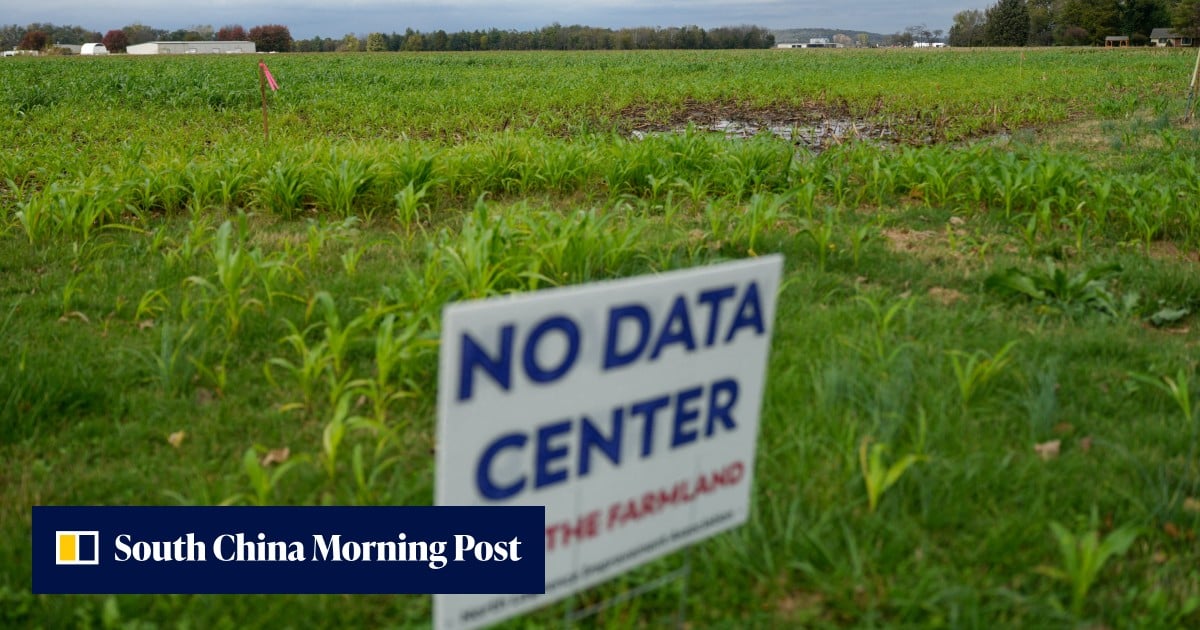
US voters backed restrictions on data center construction in nearly all local ballot measures counted during the midterm elections.
Across 39 completed local counts, restrictions won in 38, with opponents of expansion also leading in some races still being counted.
Measures included limits on facility size, construction bans, rejected rezoning plans and temporary pauses.
Data centers power AI services, but opponents say they use large amounts of electricity and water, create noise and can push up utility bills.
Democratic candidates who supported tighter oversight also won major races, including governor contests in Texas and Georgia, according to the sources.
Analysts and investors said the results could lead to stricter rules, reduced tax incentives or construction pauses, though the extent of any changes is uncertain.
The outcome could slow US data center and AI growth, with possible effects on investment and the technology competition with China.

Democrats won sweeping victories in the US midterm elections, taking control of both houses of Congress, according to SCMP.
Voters in many local races backed limits on data centre construction, adding pressure for greater scrutiny of AI infrastructure.
NBC exit polls found that 56 per cent of voters considered AI and data centres a “crucial” or “major” factor in their congressional vote.
Investors said the election results could lead to tougher regulation and put some planned data centre projects at risk.
Analysts said tighter US oversight could slow AI development and affect the technology rivalry between Washington and Beijing.
- Who
- Democratic candidates and voters backing limits on data centres. Data centre opponents gained political influence.
- What
- Democratic election victories and local votes against data centre expansion could bring more scrutiny and regulation of AI infrastructure.
- When
- The US midterm elections took place on Tuesday; results were reported on Wednesday, November 4, 2026.
- Where
- The United States, including local races and gubernatorial contests in Texas and Georgia.
- Why
- Voters and opponents raised concerns about data centres’ environmental effects, energy and water use, noise, utility bills and the public costs of incentives.
Data centre opponents
Data centre proponents and industry supporters
Environmental and community impact
Data centre opponents
Opponents cite concerns including energy and water use, noise, pollution and higher utility bills.
Data centre proponents and industry supporters
The articles describe the technology industry as supportive of data centre development, but do not set out a detailed response to these concerns.
Economic and technology policy
Data centre opponents
Opponents backed restrictions, moratoriums or limits on construction and incentives.
Data centre proponents and industry supporters
Investors warned that restrictions could slow the AI boom and make economic and market outcomes more uncertain.
Americans voted in the US midterm elections and local ballot measures on data centre construction.
Reports described sweeping Democratic victories and widespread voter support for data centre restrictions.
US-based data centre stocks fell as the Democratic sweep became apparent.
- Local data centre ballot counts
- Restrictions were favored in 38 of 39 completed races, according to Data Centers on the Ballot.
- AI and data centres in congressional votes
- 56% of voters called them a “crucial” or “major” factor, according to NBC exit polls.
- Texas governor-elect
- Democrat Gina Hinojosa ousted Greg Abbott.
- Georgia governor-elect
- Democrat Keisha Lance Bottoms won the gubernatorial contest.
- Planned US data centre capacity at risk
- Goldman Sachs estimated victories in Texas, Michigan and Georgia could put roughly 45% at risk from potential moratoriums, tighter regulations and reduced tax incentives.
5 sources
Data centers were some of the biggest losers in last night's US midterm elections
Big Tech claims voters’ AI backlash is “anti-Trump” not “anti-tech”
Trump's midterm drubbing demonstrates power of data centre opponents
Voters Rejected A.I. in the Midterms. Now Comes an Era of Scrutiny.
How Democratic sweep could slow AI growth in US – and help China’s ambitions
What people are saying
In our view, the significance of these midterm elections is more like a referendum on AI than a referendum on (Donald) Trump
Data centres in space looking pretty appealing right now