

World · Europe · 11 hrs ago
Russian general Vlasov became a symbol of Soviet collaboration with Nazi Germany
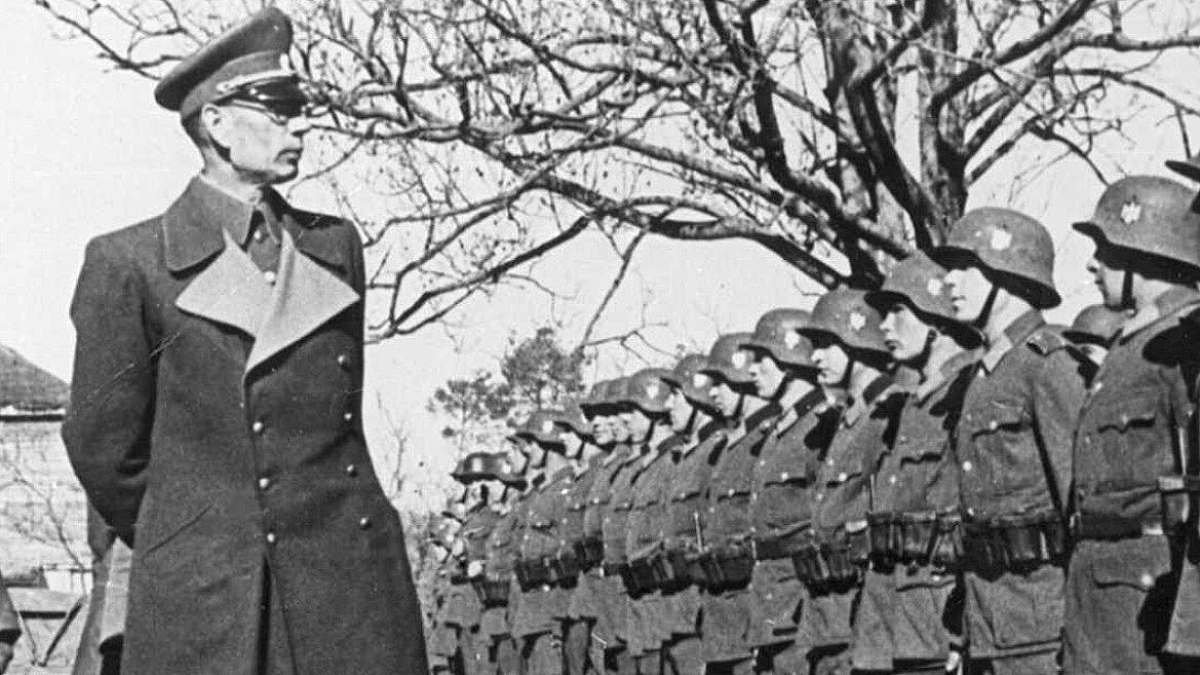
Andrei Vlasov was a Soviet general who helped stop German forces near Moscow in 1941.
In 1942, he led an assault army sent to break the siege of Leningrad, but the operation collapsed amid severe hunger and losses.
Vlasov blamed Stalin for pressing the offensive despite the conditions, and German-aligned local forces captured him in July 1942.
He later worked with Nazi Germany against Stalin, writing anti-communist leaflets before a Russian liberation committee and army took shape in late 1944.
The article says more than a million Soviet citizens served in German military or support roles, though totals vary by who is counted.
Russians were the largest national group, with some estimates putting their number at about 500,000, compared with 250,000 Ukrainians.
People collaborated for varied reasons, including opposition to Stalin, hopes for national independence and the need to escape brutal prisoner-of-war camps.
The history challenges claims that collaboration was only Ukrainian; the article gives no details of what happened to Vlasov after the events described.

Andrei Vlasov, a Soviet general who joined Nazi Germany against Stalin, became a prominent symbol of Soviet collaboration.
Before his capture, he had helped stop the German advance near Moscow in December 1941 and received recognition from Stalin.
Vlasov was captured by a local self-defense militia serving the Germans on July 12, 1942.
He later lived under German protection in Berlin and wrote anti-communist leaflets, but Hitler distrusted his proposal for an autonomous Russian army.
The article says Russians were the largest national group among Soviet citizens who served German military and auxiliary structures.
Vlasov was hanged in Moscow in August 1946, aged 45.
- Who
- Andrei Vlasov, a Soviet general who collaborated with Nazi Germany.
- What
- He became a symbol of Soviet collaboration with Germany.
- When
- He was captured on July 12, 1942, and hanged in August 1946.
- Where
- He was captured in Tuchoveži and hanged in Moscow.
- Why
- He opposed Stalin; the article describes varied motives for collaboration, including anti-communism, hostility to Stalin, national independence and survival in prisoner camps.
This story does not have two clearly opposing sides.
Vlasov helped stop the German advance near Moscow.
A local self-defense militia serving the Germans captured Vlasov in Tuchoveži.
Vlasov reappeared in Berlin under German protection and wrote anti-communist leaflets.
The Committee for the Liberation of the Peoples of Russia was established and the Russian Liberation Army took shape.
Vlasov was hanged in Moscow.
- Age at execution
- 45
- Capture date
- July 12, 1942
- Capture location
- Tuchoveži
- Execution
- Hanged in Moscow in August 1946
- Soviet personnel in German structures
- More than one million
- Estimated Russian collaborators
- About 500,000 in some accounts