

Science & Tech · Science & Environment · 2 hrs ago
Study finds a path to restoring bison genetic diversity
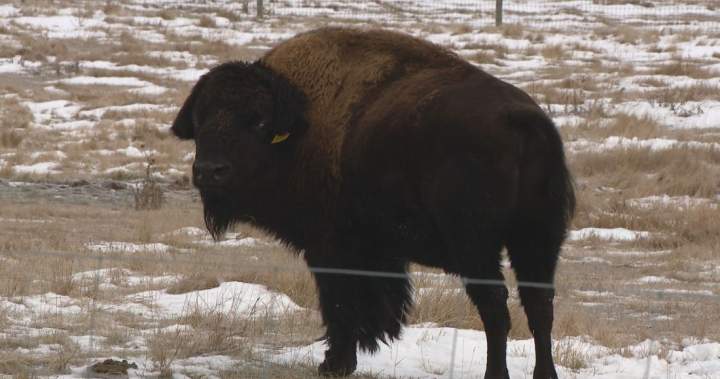
Researchers compared the genomes of 115 ancient and 45 modern bison to understand how the animals have changed.
The study was led by the University of Saskatchewan’s Bison Integrated Genome project and examined wood and plains bison in North America.
Bison once numbered about 30 million, but hunting in the 19th century reduced them to only hundreds.
Modern herds are more isolated and have less genetic diversity, partly because roads and railways limit their movement.
In 1920, plains bison moved from Montana to Alberta bred with wood bison, introducing plains bison ancestry into modern wood bison.
The study says isolation, not cattle interbreeding, drove the loss of diversity across American bison.
Researchers say restoring gene flow between managed herds could better reflect their historic population patterns and help maintain diversity.
The findings may guide conservation work by project partners, including the Toronto Zoo and Parks Canada.

A University of Saskatchewan-led study says its findings may help guide efforts to restore genetic diversity in American bison.
Researchers compared the genomes of 115 ancient bison with those of 45 modern bison.
The study found that modern herds are more genetically isolated and fragmented than ancient herds.
It also found widespread loss of genetic diversity following the bison population’s near extinction.
Researchers say restoring gene flow among managed herds could help maintain diversity.
- Who
- Researchers with the Bison Integrated Genome project, led by the University of Saskatchewan.
- What
- A study compared ancient and modern bison genomes and identified a possible approach to restoring genetic diversity.
- When
- Published on November 26, 2026.
- Where
- The research concerns American bison in North America.
- Why
- To understand how bison genetics changed and how genetic diversity might be maintained or restored.
This story does not have two clearly opposing sides.
Hunting by European settlers reduced an estimated population of about 30 million bison to only hundreds.
Plains bison were moved from northern Montana to a park in Wainwright, Alberta, and then to Wood Buffalo National Park, where they bred with wood bison.
Global News reported on the University of Saskatchewan-led study of ancient and modern bison genomes.
- Ancient bison genomes
- 115 animals, dated 200 to 20,000 years old
- Modern bison genomes
- 45 animals
- Former population
- Approximately 30 million bison
- Remaining population
- Hundreds after the 19th-century decline
- Study project
- Bison Integrated Genome project
What people are saying
We’ve made huge progress in understanding bison biology
That isolation will eventually cause the demise of a small population.